

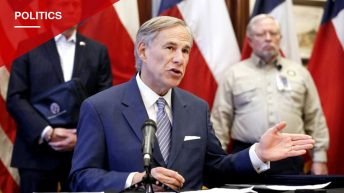
New York Gov. Kathy Hochul told Politico that immigration is essential to the state’s economy and to funding her policy agenda, including universal child care, education and housing construction.
During an interview staged at a diner, a Politico editor told Hochul that “capitalism is what lures immigrants still, and the city and the state depend on immigration.” Hochul agreed, saying, “Yeah, and [after] this [Trump] crackdown on immigration, we need to have an immigration plan that makes sense … because our economy desperately needs the labor, the vitality, the diversity, and New York is an example of what immigrants do.”
Hochul did not draw a distinction between legal immigration and illegal migration in her remarks. She said: “I want to be the place where the talent comes to … People have to come here and be successful. You know why? Because they generate the revenue so I can support universal child care, education, building more housing, and they create jobs.”
Who Pays the Costs
Critics note that Hochul’s framing emphasizes revenue generation for government programs while leaving out the costs borne by current citizens, including reduced wages, lower investment in American workers, and more expensive housing. Other cited costs include larger government bureaucracies, higher public debt, strained schools and hospitals, and a loss of political influence for citizens in their own communities.
Steven Camarota, research director at the Center for Immigration Studies, said the political incentives are clear for Democrats. “It’s good for the Democratic machine politically,” Camarota said. “It both increases votes, and also transforms society in ways that democratic arguments are heard all the more sympathetically,” he said, regardless of the actual fiscal costs or benefits.
Migration consultant Jay Palmer said the arrangement also benefits employers who can hire workers through staffing agencies at lower cost than American labor. Palmer described a conversation with a manager at an Alabama slaughterhouse: “A manager … actually told me that he would hire foreign workers — documented or undocumented — over American workers because the wages are so low. He can hire foreign undocumented workers that go through staffing agencies — Haitians, Somalis, Hispanics — and their wages are so low he can get two and a half [migrants] for every one [American].”
The Cato Argument
The Cato Institute, which describes itself as a libertarian think tank, has argued for continued immigration on fiscal grounds. In an October 23 statement, Cato said “Illegal immigrants … pay more in taxes than they receive in benefits,” and warned that “Deporting them not only adds to the debt directly through spending on Immigration and Customs Enforcement but also indirectly through reduced tax revenue … it would be nearly impossible to make mass deportation make fiscal [government budget] sense.”
Republicans Divided Too
Support for continued migration is not limited to Democrats. At a Capitol Hill press conference in April, Rep. Maria Salazar (R-FL) defended expanded migrant labor programs, saying the beneficiaries extend beyond big business. “It’s not [just] big business, it’s not only agricultural or construction or hospitality or health care or manufacturing — it’s more,” Salazar said, citing dairy farmers and manufacturers. “There are 150,000 jobs available in agriculture right now,” she said.
Retiring Rep. Don Bacon (R-NE) made a similar case at the same event, dismissing immigration skeptics as a vocal minority. “You got a minority [of amnesty opponents], and they’re very loud … they hate immigration. And we had a party like that called the Know Nothing Party in the 1850s,” Bacon said. He argued that a declining U.S. birth rate of 1.7 children per woman makes immigration necessary to sustain the workforce, calling reduced migration “bad Economics 101.”
The debate comes as wages for American workers have been rising under the Trump administration’s lower-migration, higher-technology economic approach — a trend that immigration restrictionists point to as evidence that the costs Hochul’s framing omits are real and measurable.

Add comment