
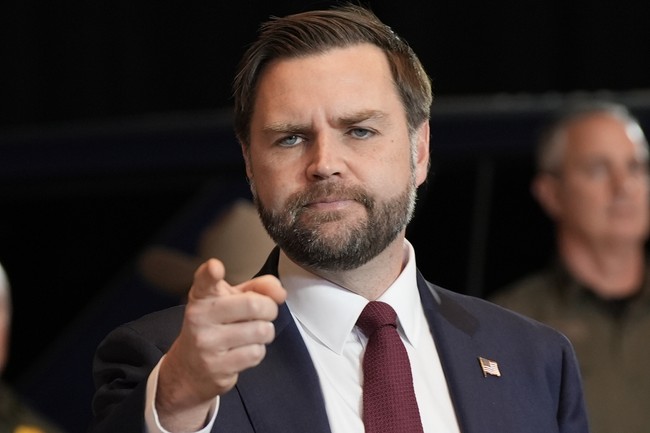
The piece examines headlines about alleged boos for Vice President JD Vance at the Winter Olympics, critiques how the media amplified those claims, contrasts the noise with what was actually audible in the footage, and shifts to criticize a few U.S. athletes who used the stage to air vague political sentiments instead of representing the country that sent them.
The first point is simple: the media rushed to label a moment at the opening ceremony as a stadium-wide rejection of Vice President JD Vance. Reporters and pundits described boos with confident language, but the audio and video evidence tell a different story. When you watch and listen closely, the reaction is faint and brief, not the monumental repudiation some outlets proclaimed.
There is a pattern here where context gets flattened into a headline, and the nuance is left behind. Crowd noise varies by seat and camera angle, and commentators can mistake ambient sounds for organized hostility. The rush to narrative often says more about the outlet’s preferences than about what actually happened.
Listening to the clip, any boos are minor and fleeting; a couple of whistles and a short murmur barely register as organized displeasure. That reality clashes with claims of massive or stadium-wide booing that circulated online. Conservative readers will note that getting labeled as unpopular by European crowds often becomes a perverse badge of honor for those who prioritize American interests.
JD Vance’s presence on the big screen drew attention the way any prominent American figure would, but the supposed chorus of disapproval never materialized into anything substantial. If a media commentator heard something, that is not the same as proof that the whole arena joined in. This is the kind of gap between observation and assertion that fuels skepticism about media narratives.
Shifting from the sidelines to center stage, some American athletes took the microphone at a press event and offered thinly veiled political musings that should have stayed private. Representing Team USA at the Olympics is not a personal protest podium; it’s a role tied to national support and sacrifice. When athletes use that moment to score cultural points, they risk undermining the very system that funded their opportunity.
Chris Lillis said, “I feel heartbroken about what’s happened in the United States.” Those words, as quoted exactly, sound sympathetic, but they are vague and lack engagement with the specific policies and laws that concern many Americans. Saying you feel heartbroken is not the same as grappling with the complex balance between compassion and rule of law, which is the issue many voters brought up in the last elections.
Hunter Hess offered more of a refusal to fully claim the flag, saying he had “mixed emotions” about representing the U.S. That sentiment, quoted exactly, frames representation as conditional and personal rather than a duty tied to the support of a whole country. If your path to the podium ran on U.S. resources and support, signaling ambivalence about the nation itself is a tone-deaf move in front of an international stage.
Let’s be blunt: representing the United States at the Olympics is a public trust backed by taxpayers, coaches, selectors, and institutions that invest in athletes’ success. If those athletes object to aspects of policy, they have every right to private opinion, but the opening ceremonies and team press conferences are not neutral venues for half-formed political statements. The moment calls for gratitude and focus on the competition, not moral posturing.
From a conservative perspective, some of the media’s takeaways reveal bias in what they choose to amplify and what they downplay. The quickness to label a noise as a national rejection while giving athletes a pass for ambiguous political commentary shows inconsistent standards. It is reasonable to expect reporters to report what actually happened instead of googling for a preferred headline.
The broader lesson is that narratives should follow evidence, not the other way around, especially during widely viewed events like the Olympics. When outlets overreach, they erode trust and feed polarization, and when athletes use their platform to deliver vague political rhetoric instead of representing their nation, they risk alienating teammates and fans who expect commitment. The country invested in these athletes and deserves clarity and respect in return.

Add comment