
Checklist: Explain Trump’s Cuba remark and its tone; outline recent U.S. actions toward Cuba; present the exact quoted remarks and embeds; assess the strategic context and risks for Cuban leaders.
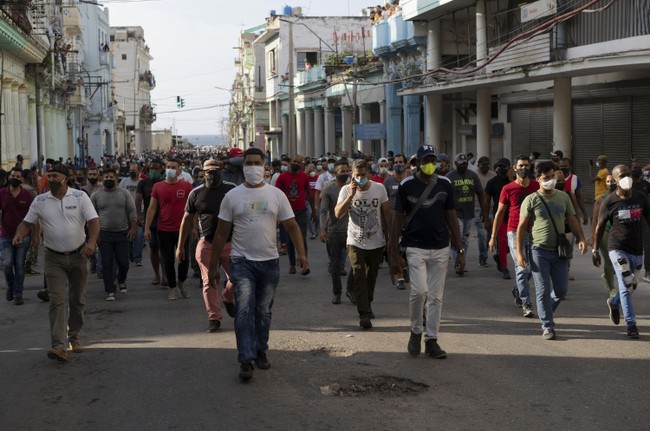
President Donald Trump joked about taking over Cuba during a recent Forum Club appearance in Palm Beach, but his grin sat alongside a clear record of hard-line actions. Cuba sits just 90 miles from Key West and has suffered decades of economic collapse under communism, making it a political and humanitarian flashpoint. The remark landed as part of a broader message that this administration is willing to use pressure and, when needed, force to change regimes in America’s neighborhood. That mix of levity and muscle is exactly what has many observers asking whether the comment was a joke or a deliberate signal.
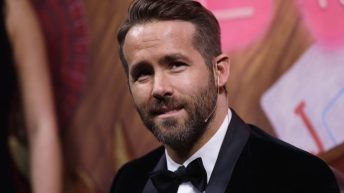
At the event Trump smiled while describing Cuba as a place “which we will be taking over almost immediately,” and the audience responded with laughter and applause. The island’s long alignment with hostile actors and its poor economic conditions were part of the setup for the line, which played to a crowd familiar with hard-line rhetoric. The intent behind the joke may be ambiguous, but it arrived against a backdrop of concrete policy moves that leave no doubt about the administration’s posture. The Cuban regime has been hit with stepped-up measures that go well beyond punchlines.
Since returning to the White House, Trump has layered on sanctions, targeted the island’s oil lifelines, and openly declared that Cuba is “seeing the end” of its communist system. The administration, supported by Secretary of State Marco Rubio, has embraced a maximum-pressure approach aimed at weakening the regime’s elite, military-intelligence apparatus, and financial backers. Those are not idle threats: the U.S. has repeatedly signaled it will back actions that disrupt networks of crime, drugs, and anti-American influence close to our shores. The rhetoric and the policy are tightly linked.
The joke was followed immediately by a clip and a transcript that circulated online, preserving the exact phrasing and tone of the moment. The quoted material below appeared in social posts and coverage, and it captures how the remark played to the audience:
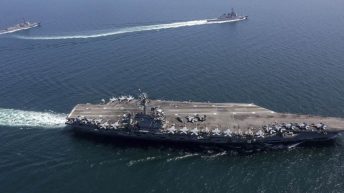
🚨 JUST IN: President Trump says he might TAKE OVER CUBA “almost immediately” using the USS ABRAHAM LINCOLN traveling back from Iran
“On the way back from Iran, we’ll have one of our big, maybe the USS Abraham Lincoln aircraft carrier. We’ll have that come in, stop about 100 yards offshore, and they’ll say, ‘thank you very much, we give up!'” 🤣
“A place called Cuba, which we will be taking over almost immediately. Now, Cuba’s got problems. We’ll finish one [the conflict in Iran] first. I like to finish the job.”
Cuba is next, Marco [Rubio] has been waiting! 🔥
On the policy front, the White House announced new May Day sanctions aimed squarely at Cuba’s ruling circle and its enablers, framing the move as a defense of U.S. interests in the hemisphere. The administration described the measures as targeting kleptocratic elites and the military-intelligence complex that sustains repression on the island. Officials emphasized that Cuba has become a staging ground for hostile activity and that reasserting American dominance in the region is a strategic imperative. Those words reflect a worldview that tolerates no safe havens for adversaries near our coast.
The official announcement was posted by a senior State Department official and echoed the administration’s themes about reclaiming influence in the Western Hemisphere. The post reproduced the administration’s line that U.S. action seeks to prevent crime, drugs, chaos, and anti-Americanism from flourishing in our backyard, a position the president and his team have repeated in multiple venues. The language is forceful by design: it frames pressure as both moral and pragmatic. The embedded post below preserves the exact text as released by the administration:
Today, @POTUS imposed powerful new sanctions on the Cuban regime and its kleptocratic elites, military-intelligence apparatus and financial enablers. Just 90 miles from the American homeland, Cuba’s communist rulers have turned the island over to hostile military, intelligence and terrorist actors. Under President Trump and @SecRubio, we are reasserting American dominance in our hemisphere and ensuring crime, drugs, chaos and anti-Americanism never again fester in our backyard.
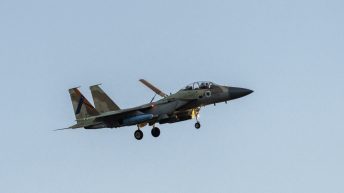
This administration’s actions are part of a pattern that includes kinetic and nonkinetic operations across the region, from targeted strikes to operations the White House has named publicly. Those events demonstrate a willingness to act where previous administrations hesitated, and they provide context for why a jocular comment onstage can land as a potential warning. For regime leaders who have long relied on impunity and outside patrons, the message is unmistakable: proximity to U.S. power now carries consequences.
Whether Trump intended the Cuba line as pure comedy or as a staged provocation matters less than the reality on the ground. The U.S. has already tightened the screws, and the Cuban leadership faces mounting pressure at home and abroad. For audiences in the region and for Cuban officials, the mix of sanction pressure and military readiness creates a new calculus. A casual quip can quickly become part of a broader diplomatic and strategic narrative that officials must take seriously.
The question for Capitol Hill, for diplomats, and for regional partners is how far this pressure campaign will go and what practical steps will follow. The president’s style blends showmanship with clear strategic choices, and that combination keeps allies and adversaries guessing. For now, the public record shows a leader who uses humor for effect while backing it up with policy moves that are anything but funny to those in power on the island.
Add comment