
This article reports on federal action in San Francisco, reactions from Governor Gavin Newsom, and President Trump’s stated plan to address crime in the city, including deployment details, agency roles, local pushback, and the political fallout.
President Donald Trump has followed through on his promise to confront rising crime in California, signaling a federal push into San Francisco as part of a broader crackdown. Officials say roughly 100 federal agents from multiple agencies are being deployed to the Bay Area to support law enforcement efforts. The move reflects a Republican approach that prioritizes restoring order and backing federal intervention when local leadership is deemed ineffective.
Reports indicate agents from ICE and Customs and Border Protection will operate in the San Francisco area as part of a coordinated effort. The U.S. Coast Guard described its role as “providing facility support to Customs & Border Protection as requested, in a supporting role.” The Coast Guard emphasized it focuses on safe, secure operations and directed questions about the mission to the lead federal agency.
Local authorities in Alameda clarified they are not assisting with federal immigration enforcement, underscoring the jurisdictional tensions at play. The Alameda Police Department stated it “does not enforce federal immigration laws or related civil warrants,” reflecting the city’s longstanding stance on limiting local cooperation with federal immigration actions. Those local policies are a big reason federal resources are being positioned to operate independently.
“The U.S. Coast Guard is providing facility support to Customs & Border Protection as requested, in a supporting role. The Coast Guard is focused on ensuring safe and secure operations in support of federal partners. All questions about the operation should be directed to CBP, the lead agency.”
Data cited by federal sources frames the case for intervention: San Francisco ranks higher on property crime lists and, in some measures, is above larger cities when gauging major crime. That metric became central to the administration’s argument that targeted federal resources can make tangible improvements. For Republicans, the statistics validate a willingness to step in where state leadership has not.
Governor Gavin Newsom reacted angrily, promising legal action and denouncing what he called an overreach into local control. He vowed to file suit and said the governor’s office would respond “fierce”ly against any move perceived as sending military forces to San Francisco. Newsom also defended long-term reductions in certain violent crime metrics, insisting the city remains safe, while critics point to persistent issues with property crime, homelessness, and business flight.
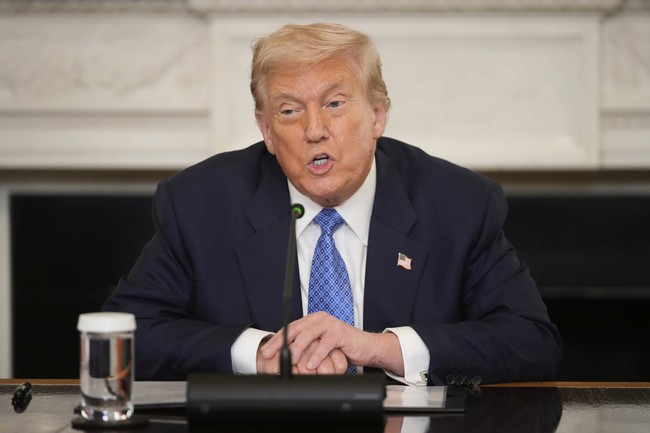
President Trump has explicitly named San Francisco as next on his list of cities to receive federal attention, telling supporters he sees a chance to restore the city’s former stature. “We’re going to go to San Francisco next,” he said. “The difference is, I think they want us in San Francisco. San Francisco was truly one of the great cities of the world. And then, 15 years ago, it went wrong. It went woke.”
“We’re going to go to San Francisco and we’re going to make it great,” he added. “It will be great again.”
The irony is clear to many: federal action aimed at fixing issues created under Democratic governance could end up helping residents who voted for those same leaders. Republicans argue that local policy choices on homelessness, public safety, and enforcement have tangible consequences, and federal intervention becomes necessary when state or city responses fall short. That argument drives the current federal posture.
Newsom’s fierce public statements and the promise of litigation set up a major legal and political clash over federal authority and local autonomy. The governor framed his response in terms of protecting civil administration and resisting what he called inappropriate militarization of cities. Conservatives counter that insisting on law and order is an appropriate federal role when public safety is at stake.
Beyond the legal fight, the practical test will be whether federal deployment reduces crime in visible, lasting ways and whether it changes the political dynamic in a city long governed by progressive policies. For Republicans, successful intervention would prove federal action can reverse declines and protect communities, while a failure would fuel debates about jurisdiction, civil liberties, and the proper balance between federal support and local control.
“At this time, I have not received any report of ICE agents being sent to Base Alameda,” a Coast Guard spokesperson added, following reports that the agents have been “dispatched to Coast Guard Island in Alameda” in the Bay Area.


Add comment