
The story: a small family farm in Hertfordshire reopened a Titanic-themed children’s slide this summer, drew a handful of online complaints comparing it to historic tragedies, briefly apologized, then flipped back to keeping the attraction as the majority of customers defended it.
A modest attraction at a family-run farm north of London became a flashpoint this summer when a few parents objected to a children’s slide modeled on the stern of the Titanic. The ride has been part of the farm’s offerings for years and returns each season as families flock for fruit picking, mini golf, playgrounds, and water fun. What was once background noise turned into a row on social media after the slide reappeared in May.
The setup is simple: children climb into a replica of a ship’s stern and slide down four lanes onto a crash mat, each ride costing £2 and including a playful boarding pass. On a busy day, around 500 people use the attraction, and kids love the rush of pretending to “abandon ship” for a few joyful seconds. For most visitors it is harmless family entertainment, nothing more than a summer novelty at a local activity farm.
That balance shifted when critics on social media compared the slide to far more serious historical horrors. One commenter wrote, “This is one of the most distasteful, disrespectful and strange attractions for children.” Other posts invoked Auschwitz and the Twin Towers, arguing a memorial’s subject matter should never be part of amusement. Those voices were loud enough to prompt the farm to apologize and pledge a name change at first.
The farm’s initial response tried to calm the controversy, with staff saying they meant no disrespect and offering to alter the attraction’s name. But the reaction of actual paying customers proved decisive; many more people showed up in person and voiced opposition to scrapping the name. The owner and manager, Will Gilpin, noted that while “as far as I’m aware it has offended only a handful of people,” the attraction serves hundreds of families a day.
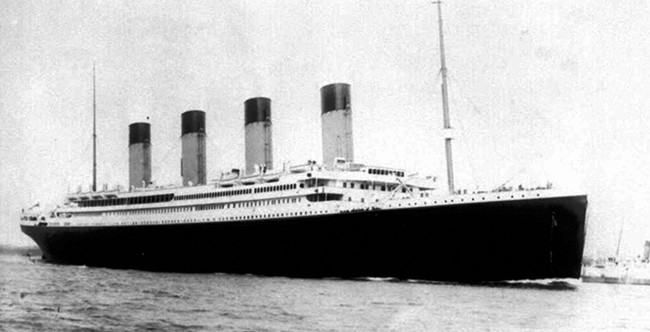
Will also pointed out an awkward fact of history: there are no survivors or direct children of survivors alive from the 1912 sinking, and he said victims would likely react kindly to a slide that brings joy to kids. He highlighted other public attractions that treat the Titanic as a subject of education and immersive exhibits, suggesting context matters when an item is presented as playful rather than exploitative. In the end the farm restored the Titanic name after customers urged them not to give in to online pressure.
The historical basics remain grim and unchanged: the real Titanic struck an iceberg on its maiden voyage and sank on April 15, 1912, with nearly 1,500 of the 2,220 passengers and crew perishing, including sixty children. Those facts demand respect and remembrance, but critics argued over whether a small, low-cost slide at a rural farm could seriously harm that memory. The dispute boiled down to scale and intent—whether a child’s toy trivializes tragedy or simply offers imaginative play.
After the back-and-forth, the attraction stayed as it had been: still called Titanic, still issuing playful boarding passes, and still priced at £2 a ride. The farm saw more voices in person than online, and those customers made clear they wanted the attraction to remain. For this family-run operation, the episode was a brief reminder that social media can amplify a tiny group into a loud chorus, but real-world patrons often tell a different story.



Add comment