
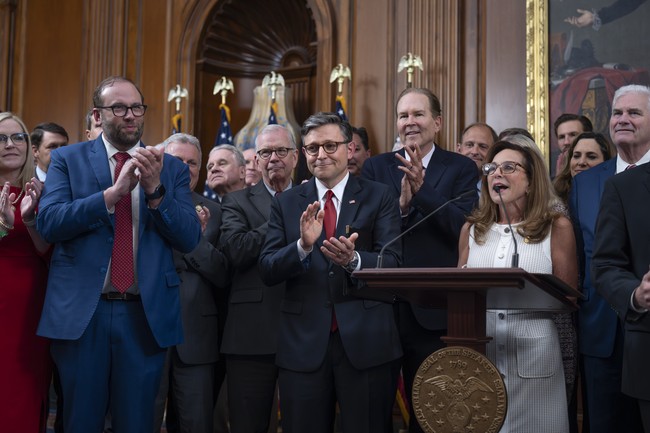
The SAVE Act has cleared a final procedural step and is headed to the House floor for a vote, bringing voter ID and proof-of-citizenship rules back into the national debate over election integrity and fairness.
SAVE Act Clears Last Procedural Hurdle, Heads to the House Floor for Vote
Wednesday afternoon the SAVE Act moved past a procedural vote and is now on the House floor calendar for a final vote. This measure would require documentation showing proof of citizenship, such as a passport or birth certificate, to register to vote in federal elections and would add photo ID requirements for voting itself.
Republicans argue this is a straightforward step to protect the franchise and restore confidence in our elections. Democrats are framing it as suppression, but the clear aim here is to make sure only citizens choose our leaders.
House Resolution 157 advanced on a party-line tally, 215-214, carrying the set of rules that brings the SAVE Act up for debate. Representative Thomas Massie cast a procedural “NO” on the rule, though he announced he intends to vote “YES” on the SAVE Act when it reaches the floor, distinguishing the rule mechanics from the substance of the bill. The narrow margins show how contentious the moment is, but they also show that Republicans are pushing a priority that voters care about.
Opponents labeled the bill “Jim Crow 2.0” and claimed it would disenfranchise low-income and minority voters who might struggle to gather specific documents. Those warnings get a lot of airplay, but they don’t reflect how many routine transactions in America already require ID or documentation. Getting a birth certificate or updating a name at a clerk’s office is inconvenient for some, but it’s hardly an insurmountable barrier to civic participation.
The SAVE America Act would require documentation that shows proof of citizenship, like a passport or a birth certificate, to register to vote in federal elections. It would also implement photo ID requirements for voting itself, another GOP priority. The bill is the latest iteration of a measure House Republicans have sought to pass through both chambers for several years.
Republicans have lauded the measure as a reasonable way to prevent noncitizens from casting ballots, though instances of noncitizens voting are exceedingly rare.
“Common-sense legislation to just ensure that American citizens decide American elections — it really is that simple,” House Speaker Mike Johnson, a Louisiana Republican, said Tuesday.
Democrats rolled out the familiar playbook, warning about women who change names after marriage and suggesting bureaucratic hoops could block votes. That line plays well in soundbites but ignores practical fixes: clerks can and will help, and states can streamline documentary requirements without abandoning the basic principle that only citizens vote in federal elections. This is about establishing a uniform floor for federal races, not punishing lawful voters.
Some critics also repeat the claim that noncitizen voting is rare, and they use that to argue against reform. Republicans counter that even rare occurrences matter when they can affect close elections, and that reasonable safeguards will strengthen public trust. Election confidence is not a partisan luxury; it is a national necessity, and lawmakers should respond to voters who demand secure ballots.
The debate has become theatrical, with heated rhetoric from both sides. Democrats call this voter suppression and conjure worst-case scenarios to rally opposition, while Republicans push back with the simple premise that American citizens should be the ones selecting our representatives. That argument resonates with voters tired of allegations that elections can be gamed or that rules vary wildly across jurisdictions.
Practical concerns about documentation can be addressed without abandoning the goal of securing federal elections. States can provide clear guidance and accessible processes for obtaining vital records, and federal law can set baseline standards that respect both access and integrity. Making sure people have the right paperwork to vote is not an attack on participation; it is a measure to protect the meaning of a vote.
House leaders have indicated the bill will be on the floor during the next session, and members will weigh the competing claims about rights and safeguards when they cast their votes. The vote will force lawmakers to pick a side: do they favor stronger verification for federal elections, or do they oppose uniform requirements that would apply nationwide? This is a simple accountability test for members of Congress.
Rep. Katherine Clark slams SAVE Act for threatening women’s voting rights
“They’re trying to say this is a voter ID bill. That’s not what’s happening here…Now you’re saying to those women, because they got married and changed their names, that they have to go down to a clerk and prove they’re citizens.”
Republicans maintain that responsible citizens who care about their vote will secure the necessary documents. The broader public agrees that elections should be both accessible and secure, and many see the SAVE Act as a modest, common-sense step. Passing it will reveal which lawmakers prioritize secure elections and which prefer to oppose verification efforts on principle.
The House schedule includes the SAVE Act among several items to be voted on, and the coming floor action will put members on record. Expect the debate to be spirited, but expect the core Republican message to stay direct: we want elections decided by citizens, with rules that everyone understands and follows.


About time everyone needs voter IDs thank you Trump.
Now democrats have a harder time cheating.