
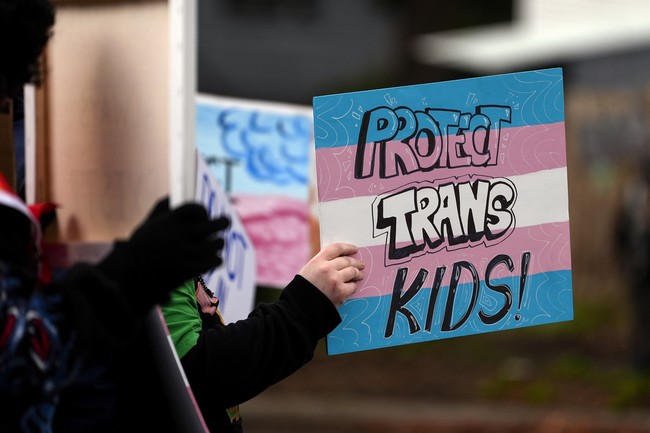
The Rutherford County library director was fired after refusing a board order to relocate nearly 200 “LGBTQ-plus themed/teen books” out of the children’s area, sparking a heated local showdown over parental control, intellectual freedom, and how public institutions serve communities. This piece lays out what happened at the meeting, quotes the reporting and the director’s own statement, and examines the dispute through the lens of parental rights and community oversight.
The story began when the library board asked the director to move a large collection of books from children’s sections to adult stacks, arguing oversight and appropriateness for younger readers. The director declined, calling the move censorship and a violation of First Amendment principles as well as American Library Association guidelines. That refusal led directly to a board vote and her termination, a result that left the fate of the books undecided and the community divided.
MURFREESBORO, Tenn. (WKRN) — A dispute over more than 190 books in the children’s section of the Rutherford County library system ended with the firing of library director Luanne James following a board vote Monday night.
The decision came after a tense public meeting, where board members clashed over whether the titles should be moved to the adult section. At the center of the debate was the director’s refusal to relocate the books, a stance that drew both support and criticism from the community and officials.
Supporters argued the decision should remain in the hands of trained library professionals and warned against restricting access to materials. Others on the board maintained the issue was about oversight and determining what is appropriate for younger readers.
From a conservative viewpoint, this is about parents and locally elected or appointed officials having a say in what children encounter in public institutions. Libraries are not neutral when they make choices that affect minors, and many parents and board members saw the move to relocate the books as a reasonable step to ensure age-appropriate access. The debate is not simply about removing books; it is about where responsibility lies for guiding children’s exposure to certain topics.
The director’s public statement framed her dismissal as retaliation for defending intellectual freedom and access to information. She invoked the library profession’s standards and the First Amendment to describe her actions, and pledged to pursue legal remedies. Her language framed the dispute as a rights issue, portraying the board’s order as viewpoint discrimination.
I am disappointed that I lost my job as director of the county library system. I lost it for doing exactly what librarians are supposed to do, protect the rights of all community members to access books and information.
I was instructed by the Rutherford County library board to relocate well over 100 books, including LGBTQ plus themed/teen books. I refused to do so because I believe such action constitutes censorship, violates the first amendment and goes against my duty to uphold intellectual freedom through American Library Association guidelines.
Public libraries are community forums, serving the entire community, not just those who share the loudest voice or the most restricted views. Librarians should not be used as a filter for political agendas.
I stood up for the right to read —standing for the citizens of Rutherford County. I believe my firing is an unlawful act of viewpoint discrimination. This action hurts library patrons, not just the librarian.
I’ve worked throughout my professional career to gain the knowledge, experience and trust to become a library director. This trust compels me to fight for the freedom of this community to read freely. This includes the right of young people to access books and ideas, and to resist an order to essentially hide the books.
The firing triggered predictable reactions on both sides: defenders of the director warned of a chilling effect on librarians and intellectual freedom, while supporters of the board argued they were exercising oversight and protecting children. Local trustees have a mandate to reflect community standards, and many parents feel they should have a say in what books are placed within easy reach of minors. That tension between professional judgment and local accountability is central to the dispute.
On the conservative side, the argument is straightforward: parents are the primary guardians of their children’s upbringing, and community boards should be able to set policies that reflect parental expectations. Moving material aimed at teens to adult sections is a way to balance access for adults while addressing parental concerns about exposure for younger children. It is not censorship to manage where materials are shelved in a public facility.
Legal claims about viewpoint discrimination may take time and resources to pursue, and the outcome will hinge on narrow legal tests about government action and free speech. Regardless of legal results, the episode has already reshaped local politics and public trust in the library system. The case underscores how culture questions increasingly land in school boards, library boards, and other local institutions.
This conflict illustrates a broader national struggle over what constitutes appropriate content for young people in public spaces and who gets to decide. For communities that value parental involvement and local control, the Rutherford County case highlights why transparency and accountable governance matter when cultural issues arise. The debate over the books continues, and the community will decide what balance they want between access and age-appropriate stewardship.

Add comment