
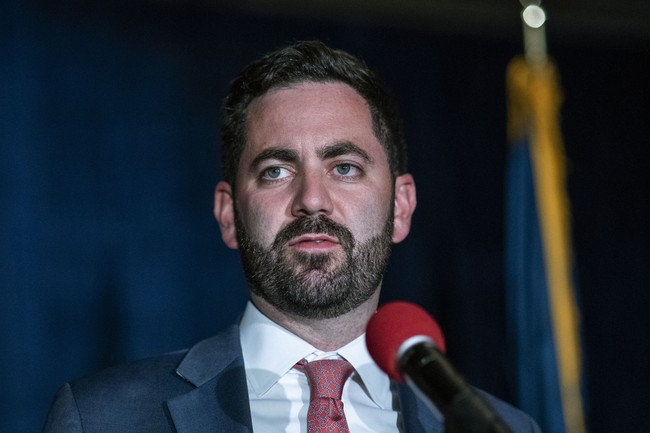
The House hearing on sanctuary city policies turned into a raw, public showdown that put victims’ families front and center and exposed sharp partisan divides over public safety and accountability. Lawler confronted Democratic members over what he and Angel Families see as a pattern of indifference to crimes tied to sanctuary jurisdictions, and the exchanges escalated into pointed accusations and emotional testimony. This article walks through the key moments, the family’s testimony, and the reactions that followed, including media appearances and blunt language from lawmakers upset with how the hearing unfolded.
The hearing focused on “Sanctuary Policies: Victims’ Perspectives” and featured testimony from Jessica Gorman, mother of 18-year-old Sheridan Gorman, who was killed in Chicago. Mrs. Gorman spoke as an Angel Mom seeking accountability and change, and her presence set a somber tone intended to connect policy to real-life loss. Before she could deliver her statement, Democratic members questioned the need for the session and raised procedural objections that many attendees found tone-deaf.
Representative Mike Lawler, whose district included Sheridan Gorman, was there to introduce Jessica and to ensure her story was heard. When Democrats objected to him speaking at length, the disagreement became heated and public, with Lawler rebuking colleagues for what he saw as misplaced priorities. The clash was less about parliamentary rules and more about whether elected officials were willing to confront the consequences of sanctuary policies for everyday Americans.
Members of Angel Families have repeatedly insisted these hearings are not political theater but necessary attempts to force a conversation about policy and public safety. For them, the issue is personal and ongoing: they want practical changes that prevent future tragedies. Lawler and other Republicans argued that Democrats are defending sanctuary jurisdictions even when evidence and testimony point to deadly outcomes.
The exchanges grew more intense when Representative Jamie Raskin and Representative Pramila Jayapal pushed back on Lawler’s extended remarks, prompting Lawler to directly challenge their stance. What followed included raised voices, accusations of hypocrisy, and a refusal to back down from either side. The moment crystallized for many viewers as a test of whether lawmakers place citizens’ safety over political loyalty to sanctuary policies.
The hearing footage contains a particularly charged back-and-forth where Lawler calls out what he sees as inconsistent outrage and policy positions. That exchange captured national attention and was replayed across media outlets, prompting follow-up interviews and commentary. In post-hearing appearances, Lawler stated Republicans will continue to hold these hearings to highlight the link between policy and victims’ experiences, arguing that accountability should not be optional.
https://x.com/RNCResearch/status/2072039149461197031
The episode also sparked sharp language outside the hearing room, with Lawler using blunt terms in an interview to describe his colleagues’ conduct toward Angel Families. Those remarks underscored the raw emotions at play and reflected a wider frustration among conservatives who believe federal immigration enforcement is being undermined by sanctuary protections. The controversy fed into broader debates about border security, local jurisdictional autonomy, and the role of federal law.
Jessica Gorman’s testimony drew strong reactions because it personalized the stakes of policy debates. Families like hers demand that lawmakers stop treating these tragedies as abstract and start making the policy changes families say would prevent similar crimes. Their testimony aims to press officials, especially those supportive of sanctuary policies, to reckon with consequences that extend beyond political rhetoric.
Republican members emphasized that their goal is not to score points but to change outcomes for vulnerable communities and grieving families. They framed continued hearings as necessary to expose policy effects and to pressure colleagues to reconsider positions that, in their view, prioritize sanctuary status over citizen safety. Democrats framed the exchanges as procedural or as politically motivated, which only intensified the partisan split on display.
The hearing’s fallout included media interviews and public commentary that kept the story alive after the session ended, reinforcing the emotional and political weight of the testimony. For many conservatives, the episode reinforced the argument that sanctuary policies conflict with public safety and demand federal scrutiny. The moment also served as a reminder that real people and families are at the center of policy debates, not just talking points.
As the country watches these debates unfold, the clash in the hearing room illustrates how sharply divided lawmakers are on questions of enforcement, jurisdiction, and accountability. For Angel Families and their allies, the aim is clear: change laws and practices so no family has to relive what they have endured. For others, the path forward involves balancing civil liberties, local governance, and public safety in ways that remain hotly contested.
Lawler: “The same outrage you feel about Renee Good and Alex Pretti, you should feel about Sheridan Gorman and Laken Riley, and every angel family.”
Raskin: “I do feel that outrage!”
Lawler: “You do not! Because if you did, you would NOT support sanctuary jurisdictions! You should be ashamed of yourself! You’re a disgrace!”
Raskin: “You don’t belong in this committee, get the hell out of here… You’re full of it!”
Lawler: “You should be absolutely ashamed of yourself for not opposing sanctuary policies that resulted in their daughter’s death.”


Add comment