
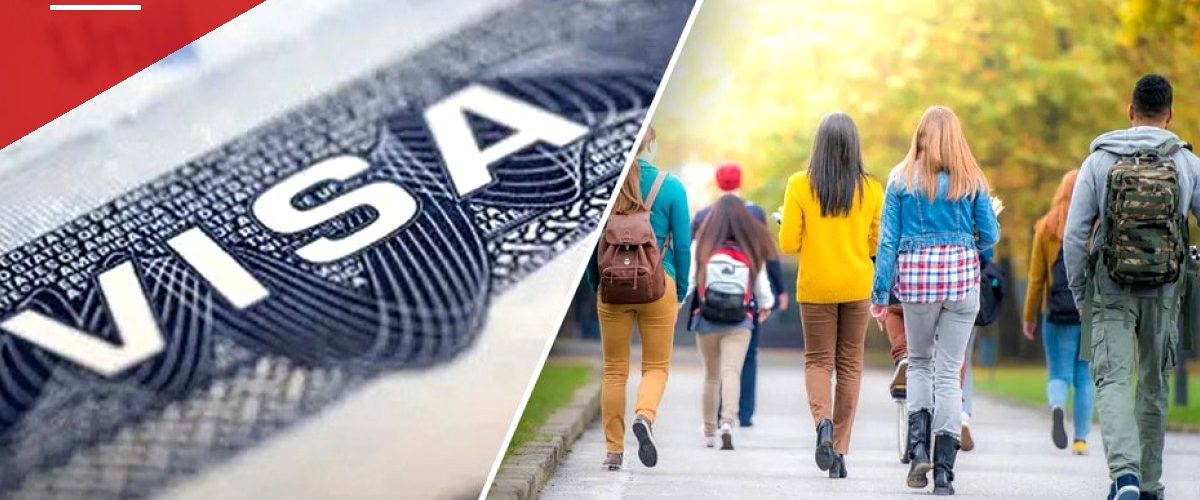
The Department of Homeland Security has proposed a rule that would charge international students a $70,000 fee to receive their first work authorization under the Optional Practical Training (OPT) program, plus an additional $30,000 for any extension.
OPT currently allows F-1 visa holders to work part-time while studying and full-time for a limited period after graduation, provided the job relates to their field of study. The existing application fee is roughly $500. Students must also secure a recommendation from a designated school official and receive authorization from U.S. Citizenship and Immigration Services before beginning work.
Graduates in science, technology, engineering and math fields can currently qualify for a 24-month extension beyond the standard OPT period — the extension that would now carry the proposed $30,000 fee.
DHS says the new costs are meant to curb what it describes as a program that has strayed from its original purpose.
“Optional practical training was never meant to be a back door into the American workforce, a subsidy for cheap labor or a prize for those who game the system,” a DHS spokesperson said. “DHS is upskilling OPT to require foreign students to justify their worth to employers. American workers should not have to compete against a program that has been turned into a pipeline for cheap foreign labor.”
The agency points to findings from its Student and Exchange Visitor Program identifying fraud involving schools, school officials, employers and students, including non-compliant worksites and so-called “pay-to-stay” visa arrangements. DHS argues the fee structure would push colleges and universities to apply tighter scrutiny before recommending students for the program.
Legal Fight Expected
Despite the administration’s stated goals, the rule is expected to draw immediate court challenges. Doug Rand, director of the Talent Mobility Fund, an organization that advocates for attracting foreign STEM talent to the U.S., argued the agency is overstepping its legal authority.
“Don’t Panic: DHS has no authority to slap a $70k fee on international students,” Rand wrote on LinkedIn. “Let’s not overreact — this proposed rule isn’t going to fare well in the courts, just as the $100k H-1B fee and other restrictionist policies have been struck down.”
Rand’s reference to a $100,000 H-1B visa fee and other restrictive measures being struck down in court suggests this proposal could face a similar fate. Before the rule can take effect, it must go through a public comment period, which will give employers, universities, students and advocacy groups a chance to formally weigh in.

Add comment