
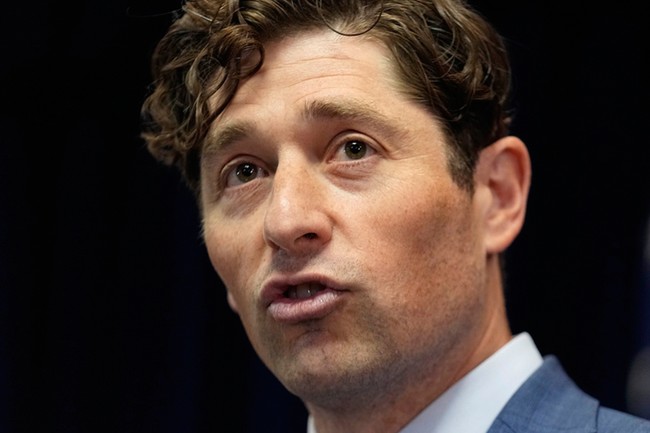
Minneapolis leaders encouraged protests against ICE operations and now face a national backlash that includes talk of invoking federal power, warnings from the Justice Department, and sharp criticism that their rhetoric crossed a line into endorsing violence against agents enforcing federal law.
City and state officials in Minnesota have stirred a volatile mix by signaling sympathy with anti-ICE demonstrators while federal officers carried out enforcement actions. That posture invited criticism from conservatives who say the officials effectively sided with lawbreakers and undermined public safety. The situation escalated quickly, drawing national attention and prompting federal officials to promise consequences for obstruction.
Mayor Jacob Frey’s comments about ICE agents being perceived as “invaders” fed the controversy and became a focal point for critics who see it as a surrender of civic responsibility. Frey said, “Imagine if your city or town was invaded by thousands of federal agents that do not share the values that you hold dear,” which many interpreted as adopting the protesters’ framing. His words came after nights of street clashes and accusations that local leaders had encouraged unrest rather than tamping it down.
The mayor followed with a dramatic description meant to convey disruption, but that description landed poorly with those who view the agents as enforcing laws passed by Congress. In a blockquote he painted a picture of everyday disruption: “Imagine if your daily routines were disrupted. The local cafe you eat at was shut down because they’re scared that their own family might get torn apart. Imagine if schools shut down and parents gotta figure out what to do for daycare.” That passage resonated with some, but for many it read as justification for resisting lawful federal action.
Imagine if your daily routines were disrupted. The local cafe you eat at was shut down because they’re scared that their own family might get torn apart. Imagine if schools shut down and parents gotta figure out what to do for daycare.
Fans of strict immigration enforcement point out a simple fact: federal law exists to be applied, and local officials do not get to pick and choose which federal statutes are respected. When city leaders frame federal agents as invaders, critics say they are empowering people to obstruct those agents and creating cover for violent confrontations. That dynamic risks turning targeted operations into urban battlegrounds and invites federal intervention.
President Donald Trump and the Justice Department signaled they were watching closely, with discussions about invoking broader federal powers to restore order. Deputy Attorney General Todd Blanche warned local leaders they could be held accountable for encouraging or failing to prevent violence against federal officers. Those warnings underscore how local rhetoric can trigger a federal response when enforcement duties are obstructed.
Defenders of the mayor argue he was trying to express concern for communities feeling targeted, but the visceral imagery he used made it easy for opponents to portray him as anti-law-enforcement. Critics note that many who cross the border illegally are not assimilating or obeying laws, and that some have violent criminal histories. From that perspective, defending those who confront ICE is tantamount to siding with lawbreakers.
The debate exposes a deeper split over who has the authority to enforce immigration policy: Congress and the federal government, or activist local officials and protesters who want different outcomes. Elected representatives in Washington set immigration rules, and the institutions tasked with enforcement carry out those laws. Framing federal officials as invaders undermines the constitutional order and risks normalizing resistance to lawful authority.
Some commentators brought historical analogies into the discussion, arguing that past attempts to defy federal authority produced disastrous results. They point to episodes where local resistance to federal mandates ended badly for those who refused to accept national law. That line of argument is meant to warn current officials that contesting federal enforcement has tangible consequences, not just rhetorical ones.
Meanwhile, the unrest on Minneapolis streets impacted residents and small businesses, which had to navigate closures and safety concerns. Local merchants and families faced short-term disruptions that sharpened public frustration and shifted sympathy away from demonstrators. Those everyday consequences matter politically and practically, because voters and officials alike react to immediate harms when law and order appear threatened.
Mayor Frey eventually urged rioters to go home, but critics said that request came too late and that his earlier messaging helped stoke the flames. The perception that local leaders encouraged defiance prompted a conservative push for accountability and raised questions about whether state or federal authorities should step in. The unfolding conflict remains a test of how far local advocacy can go before triggering a forceful federal response.
What happens next depends on whether local officials recalibrate toward enforcing public safety or persist in rhetoric that casts federal agents as enemies. The longer protests continue to obstruct federal operations, the more likely higher authorities will take measures to secure their personnel and carry out their duties. That reality is driving a tense standoff between local political theater and the practical demands of upholding the rule of law.
Add comment