
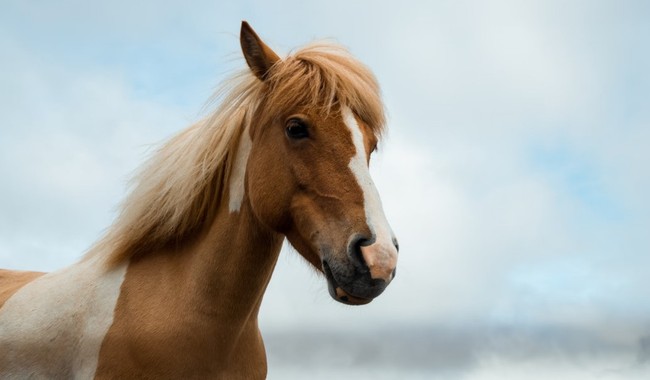
The Russian military, strained after years of fighting, has reportedly started mounting flat-panel satellite terminals on horses to maintain communications in places where vehicles are scarce or destroyed; this piece looks at the images and analysis behind that move, the practical reasons horses still matter on modern battlefields, and the unsettling logistical implications for Russia’s combat readiness.
Pictures and open-source investigators suggest frontline Russian units have adapted by putting Starlink-like receivers on improvised frames carried by horses. This tactic signals both creativity and desperation, and it raises questions about supply, mobility, and command-and-control on the ground. From a conservative perspective, it also serves as a stark example of how sustained conflict degrades conventional military capability.
Observers noting the images say the setup is likely meant for communications and situational awareness rather than for direct combat. The horse-mounted arrays seem to combine a flat-panel terminal with cameras, creating a mobile relay where infrastructure is absent. If true, that points to a pragmatic — if low-tech — attempt to keep units linked without relying on fuel-hungry vehicles.
The core quoted report reads exactly as follows:
Russian forces appear to have begun equipping horse-mounted units with Starlink satellite terminals and cameras, according to new images and videos circulated by multiple OSINT investigators, including Special Kherson Cat on January 8.
The footage Russian soldiers riding horses fitted with improvised frames carrying flat-panel satellite terminals and what appear to be camera systems.
While the exact purpose of the equipment has not been officially confirmed, analysts say the setup is consistent with communications or situational-awareness use rather than combat firing platforms.
The images add to a growing body of evidence that Russian frontline units—particularly in contested or infrastructure-poor areas—are increasingly relying on animals as substitutes for destroyed or unavailable military vehicles.
There is a wryness to this image: a horse fitted with a satellite dish is almost comic until you think about what it really means. For anyone who studies logistics, the substitution of animals for motor transport is a backwards step born of attrition. Republicans who argue for strong, well-funded defense capabilities should find this a warning sign about the costs of prolonged conflict and the limits of a force lacking resilient supply lines.
Horses have tangible advantages in certain terrain: they handle rough ground, avoid the fuel and maintenance trains that vehicles require, and can be quieter or harder to detect in forests. They eat grass instead of burning diesel and they don’t need spare parts sent through contested supply routes. Still, training riders and building effective mounted communications teams is not trivial and suggests the Russians are improvising under pressure.
This retreat to older transport methods echoes history when armies used horses long after mechanization began, yet the context now is different because digital communications matter more than ever. Relying on animals to carry high-tech gear is a strange hybrid, where modern electronics meet medieval logistics. That contradiction highlights the severity of equipment losses and the difficulty of sustaining a modern force without robust industrial and logistical backing.
Images and video clips circulating in open-source circles show improvised frames that secure the terminals to saddles or packs, a telling sign of field expedience. Analysts emphasize the setup appears oriented toward maintaining data links rather than serving as weapon platforms. In contested zones where fixed infrastructure is gone, maintaining situational awareness is essential, which explains the motivation behind the adaptation.
There are also operational risks: animals are vulnerable to artillery, small-arms fire, and the elements, and handlers exposed to combat add to the human cost. Using horses for communications exposes both the equipment and personnel to lower survivability than hardened vehicles might provide. For a modern military, accepting those trade-offs underlines how badly attrition has hit material reserves.
Beyond the battlefield mechanics, the optics matter. When a major power looks forced to tack satellite dishes onto pack animals, that becomes a PR problem as well as an operational one. Critics will note the contrast between Russia’s high-tech ambitions on the global stage and the on-the-ground improvisation now visible in imagery. For U.S. policymakers who believe in maintaining deterrent capability, these signs underscore why readiness and logistics must be priorities.
There are human-interest angles, too: rumors say some of these internet-equipped horses were captured and slipped behind lines by Ukrainian forces, nicknamed “Bonnie and Clydesdale.” Whether true or apocryphal, such stories circulate quickly in wartime and reflect how small tactical incidents can become symbols. They also remind us that innovations born of necessity can become unpredictable elements in a fluid front.
Improvisation like this will generate jokes and jibes, but the underlying problem is real: sustained wars grind down vehicles, fuel supplies, and maintenance chains. For those arguing a strong national defense is essential, these images are an uncomfortable illustration of what happens when a military cannot replace losses quickly. The sight of horses carrying satellite terminals is a vivid, if odd, metric of strategic strain.
Warfare adapts, often in ways that look absurd until they become commonplace; this may be one of those adaptations. Meanwhile, policymakers and analysts should read the signs and consider the lessons about logistics, support, and readiness. The picture of mounted terminals is memorable because it combines the ancient with the cutting edge, and that contrast speaks volumes.



Add comment