
The press likes to bill itself as brave and unflinching, yet recent coverage of the White House Correspondents Association dinner exposed a softer reality: reporters bristle at mockery and retreat from criticism, even as they insist on defending free expression and their own importance.
Journalists have long enjoyed casting themselves as fearless truth-tellers ready to storm any breach. In practice, they often react with outrage to mild criticism or jokes aimed at their profession. That gap between image and reaction has become its own kind of spectacle.
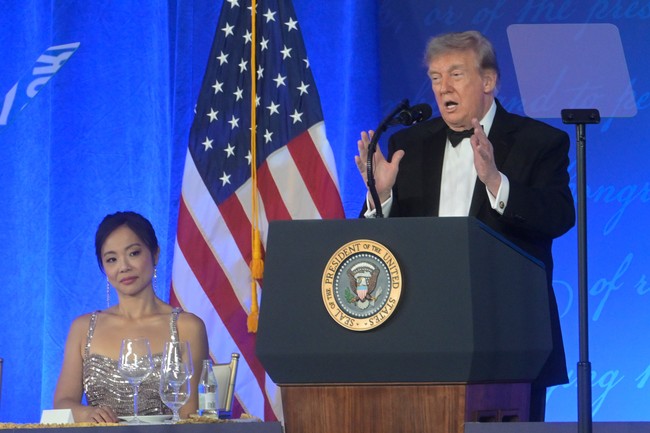
The weekend replay of the WHCA awards dinner highlighted this tension. The original event was interrupted by a gunman, so a second ceremony was staged, and President Trump attended the rescheduled gathering. Predictably, many in the media treated his presence as a provocation rather than as part of a public event.
A number of reporters declared their positions before the event even started, issuing statements opposing his participation. Preemptive denunciations are an odd way to show courage, since they require no on-the-spot sacrifice or debate. The posture reads more like theater than principle.
After the dinner, commentary flooded in about the president’s appearance and the jokes traded at the roast-style event. Some responses came off as the elite upset that an outsider soiled the etiquette of an exclusive club. That sense of wounded privilege colored much of the coverage.
At CNN, pundits ran a live panel to react to the evening’s moments, turning a roast into a fact-checking exercise. Watching talking heads pick apart one-liners at a comedy roast felt both overwrought and performative. It’s hard to take seriously the claim of bravery when the reaction to humor is so thin-skinned.
Peter Baker of the New York Times raised concerns about the First Amendment while attending the conversation in a manner that felt inconsistent with past practice. He suggested limits on how public figures should express themselves, then softened by noting that individual reporters might accept awards. That kind of pick-and-choose attitude on principles of free speech undermines credibility and looks like convenience rather than conviction.
https://x.com/johnvsinisgalli/status/2080857116517212542
Other reporters took to social platforms to express contempt and disappointment at the evening’s tone. The friction between being the target of jokes and defending another public figure’s right to speak reveals selective outrage. When journalists react more strongly to being teased than to actual threats or real abuses, the public notices.
There’s precedent for this inconsistency. The same press corps that dismissed a late-night host’s remarks as mere jokes suddenly gasped when humor landed on them. Defending comedic license for allies while policing jokes when they hit media elites looks like double standards. Those inconsistencies feed public cynicism about fairness and standards in reporting.
Reporters often liken their work to frontline service—comparing themselves to firefighters or war correspondents—claims that demand respect for real risk. Yet when the heat they face comes in the form of satire, many fold quickly and respond with performative offense. That contrast between self-image and response weakens the moral authority they expect to wield.
Holding journalists to the standards they profess is not an attack on the profession, it’s a demand for consistency. If free expression matters, it matters for everyone, including those who cover it for a living. Refusing to accept roast jokes while praising the same kind of speech elsewhere shows why trust in media continues to erode.

Add comment