
Checklist: Summarize Maxwell’s brief House Oversight appearance; note her Fifth Amendment pleas and the lack of new information; highlight bipartisan expectations and key quotes; cover connections to the Clintons and the committee’s wider probe.
Ghislaine Maxwell made a one-hour appearance before the House Oversight Committee and largely declined to answer questions by invoking the Fifth Amendment. The session ended quickly and produced no new revelations about the handling of Jeffrey Epstein’s case. Observers on both sides of the aisle had anticipated that outcome, and the hearing did little to change the public record.
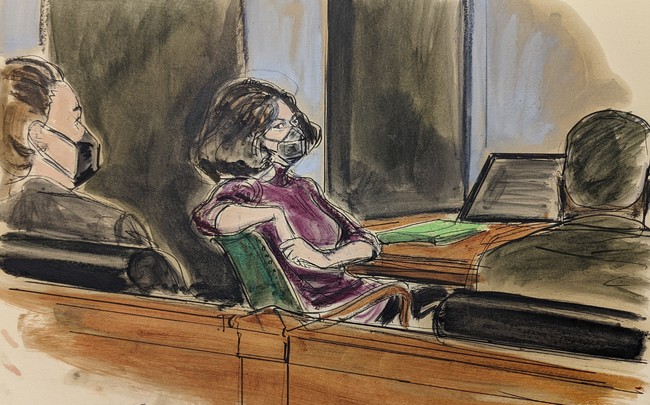
The House Oversight Committee’s deposition of Ghislaine Maxwell ended less than an hour after it began on Monday morning, when the convicted accomplice of the late Jeffrey Epstein pleaded the Fifth Amendment.
Maxwell appeared before lawmakers virtually for a closed-door interview in the House bipartisan probe into the federal government’s handling of Epstein’s case.
She is currently serving out a 20-year sentence at a Texas prison.
The brevity of the interview underlined a simple reality: legal privilege can be a powerful shield, even when questions are politically charged. Maxwell has been serving a lengthy prison term since her conviction in December 2021, and her lawyers had already negotiated timing around appeals and court rulings. The Supreme Court’s decision not to hear her appeal last year left federal sentences and custody plans intact.
Both House Oversight Committee Chairman James Comer, R-Ky., and Rep. Ro Khanna, D-Calif., a member of the committee, said they expected Maxwell to plead the Fifth Amendment in the lead-up to her scheduled sit-down.
The former British socialite was found guilty in December 2021 of being an accomplice in Epstein’s scheme to sexually traffic and exploit female minors.
The DOJ said at the time of her sentencing that Maxwell “enticed and groomed minor girls to be abused in multiple ways.”
That DOJ line is stark and remains on the record unchanged: “enticed and groomed minor girls to be abused in multiple ways.” Sentencing reflected the gravity of those findings, but many in the public consider twenty years insufficient for the harm described. Still, the system delivered a high-profile conviction and a long sentence — and Maxwell is serving it.
One notable side effect of the deposition was rare bipartisan agreement that Maxwell would assert her rights. When lawmakers from both parties publicly express the same expectation about a witness, it signals that political theater had been discounted in favor of legal reality. Republicans and Democrats alike seemed resigned to a closed-door exchange that would produce limited factual yield.
The committee’s inquiry extends beyond Maxwell. House Oversight has been pursuing depositions tied to how federal authorities managed Epstein’s case, and that means other high-profile figures are under scrutiny. The Clintons have been mentioned in connection with depositions and potential contempt proceedings and remain part of the broader probe into decision-making and contacts surrounding Epstein.
Contempt proceedings against the Clintons stalled, however, after they agreed via their attorneys to appear in person on Capitol Hill just days before the full House of Representatives was expected to vote on referring the pair to the Department of Justice (DOJ) for criminal charges.
Comer’s team had been in a back-and-forth with Maxwell’s attorney for months trying to nail down a date for her to speak to committee lawyers.
He agreed to delay her previous planned deposition in August after her lawyer asked him to wait until after the Supreme Court decided whether it would hear her appeal. The Supreme Court turned down Maxwell’s case in October.
She and the Clintons’ depositions are part of the House Oversight Committee’s months-long probe into how the government handled Epstein’s case.
Expectations for the Clintons’ upcoming cooperation vary, but the pattern of limited answers could repeat itself. Responses like “I can’t remember” or “I don’t recall” are common in high-stakes depositions, and many observers expect that evasive terrain to reappear. If the committee aims to press for clearer documentary evidence, public hearings and subpoenas may follow.
This investigation has already stretched across months and involved extensive negotiations over dates, formats, and legal protections. The committee’s next moves will matter more than any short virtual deposition, and those steps may include subpoenas, document requests, or referral decisions. For now, Maxwell’s brief appearance served mostly to confirm what many expected: a careful, privilege-driven refusal to answer most questions.



Well since Maxwell wants to plead the fifth that’s her choice now send her back to maximum security prison no more privileges she want to play games so can the justice department move her back to maximum security prison immediately no more games from her let her rot in prison.