
This article examines the sentencing of Douglas Byers, who shot at an LAPD helicopter, the facts of the shooting and investigation, the judge’s reasoning at sentencing, and reactions to a reduced prison term compared with the prosecution’s request.
On Aug. 15, 2025, an AR-15-style rifle was fired at a Los Angeles Police Department helicopter that had two officers on board, forcing an emergency landing. The aircraft was struck in the tail and nearly lost critical flight controls, but fortunately the officers were not injured. Douglas Byers, 62, was later convicted in March on two counts of assault on a peace officer and one count of possession of a firearm by a felon. He had multiple prior felony convictions and was prohibited from possessing a firearm.
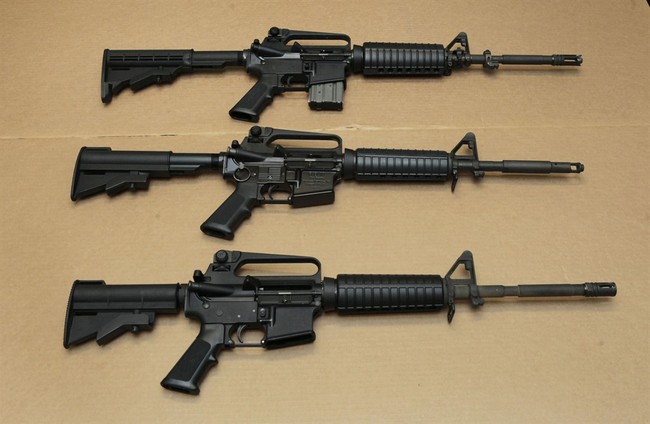
When officers entered the backyard, they found an AR-15 assault rifle, two Airsoft replica rifles and roughly 18 spent shells, according to a search warrant affidavit. Byers was arrested on suspicion of negligent discharge of a firearm, authorities said. Hours later, an inspection of a helicopter that responded to the shooting call at Byers’ home revealed a bullet had pierced the tail. The impact almost caused severe damage to the systems that allow the pilot to control the aircraft, Siddall said. “If that shot had just been a little bit further down, that aircraft would have fallen,” Siddall said during his opening argument.
Investigators responded after neighbors reported hearing gunfire coming from the backyard of the home Byers shared with his mother. Law enforcement recovered the rifle, replica weapons, and spent shell casings at the scene. The pilot’s inspection confirmed a projectile had struck the tail assembly, which is one of the most vulnerable parts of a helicopter when it comes to control. That single round’s placement is what prosecutors argued made this a near-catastrophic attack on public safety.
At sentencing, Los Angeles County Superior Court Judge Mildred Escobedo chose a far lighter penalty than the prosecution sought. Prosecutors recommended a 41-year sentence based on the jury’s findings and the defendant’s felony history, but Judge Escobedo imposed a 13-year term instead. The court’s explanation emphasized the defendant’s courtroom demeanor and substance abuse history as mitigating factors.
That explanation struck many observers as at odds with the stakes of the offense. The two officers inside that helicopter were on duty performing a public safety task when a rifle round nearly disabled the aircraft. Aiming at an aircraft with people aboard is rarely treated as anything other than an extreme danger to the public and to first responders, which is why the prosecution pushed for a substantially longer sentence.
An ex con convicted of using an AR-15 to shoot and hit a LAPD helicopter w/ two officers in it last year has been sentenced to just under 13 years in prison instead of 41 years asked for by the prosecution after the judge said the defendant had acted friendly during the trial, had a substance abuse problem, and said she had the discretion to not impose the gun enhancements the jury had found true against him.
The judge explicitly stated the offense was “extremely dangerous” and that it “does require prison time,” yet she also noted the crime appeared tied to substance abuse and that Byers had been “respectful and friendly” while representing himself. She said she had the discretion to decline the gun enhancements that jurors had found true in March. Those are direct quotes from the court’s explanation and reflect how the judge framed her discretion at sentencing.
https://x.com/BillMelugin_/status/2087671585377550431?ref_src=twsrc%5Etfw
The judge noted that the conduct was “extremely dangerous” and “does require prison time,” but said the crime seemed connected to the defendant’s substance abuse and added that he had been respectful and friendly while acting as his own attorney during the trial. Escobedo said she had the discretion not to impose the gun enhancements that were found true by jurors in March.
Courtroom demeanor and a history of addiction are relevant factors in mitigation, but critics argue those considerations should not eclipse the severity of an attack on emergency personnel and the jury’s findings. The criminal justice system balances many elements: public danger, prior convictions, jury determinations, and the defendant’s background. When a sentence drops far below what prosecutors seek after a near-fatal incident, it naturally prompts scrutiny of how those factors were weighed.
Byers dodged catastrophic consequences twice: first when the bullet missed the helicopter’s critical controls, and again when a judge opted for a substantially lower sentence than requested. The outcome leaves questions about consistency in sentencing for offenses that target law enforcement and the boundaries of judicial discretion in cases involving serious public risk.


Add comment