
Checklist: assess the shaky ceasefire, critique Iran’s messaging and leadership claims, examine the propaganda video and its implications, and note how regional dynamics push Gulf states closer to the U.S.
We are in a fragile pause after the recent military actions against Iran, and that pause feels more like a tactical pause than a real resolution. Iran is spinning its narrative hard, but its credibility on the international stage is low after repeated provocation and miscalculation. From a conservative perspective, strength and clarity in our response remain essential while diplomatic windows are narrow and risky.
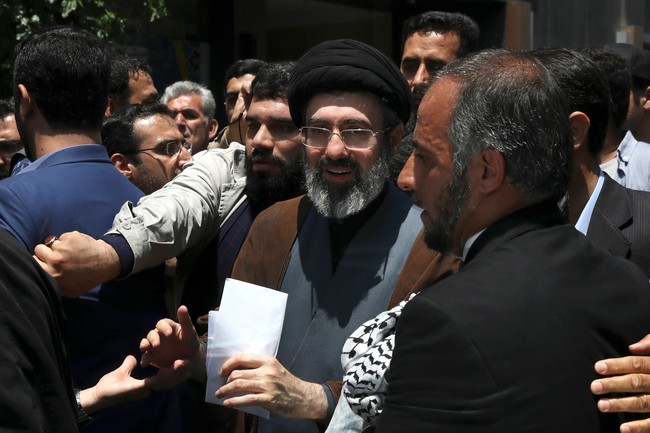
Tehran’s public voice now comes from a strangely anonymous source labeled as the new “Supreme Leader,” but people are skeptical about who is actually speaking. The account’s posts raise questions because we still lack public, verifiable appearances by the leader himself, and that absence fuels speculation about his condition and the regime’s internal stability. The political theater around this figure undermines Iran’s claims of control and victory.
The post from the leadership account makes bold claims about triumph in what it calls the “Third Sacred Defense” and urges neighboring Gulf states to repent and align with Iran. Those demands read like desperation — asking Gulf neighbors to “stand on the right side” and distrust offers from other powers after years of hostile action hardly persuades anyone. For Gulf governments that have watched Iran’s behavior firsthand, the ask sounds out of touch and ignores the consequences of Iran’s own aggression.
Today, up to this point in the epic Third Sacred Defense, it can be said with complete confidence that you, the heroic nation of Iran, are the definite victors in this battlefield.
I say to Iran’s southern neighbors: you are witnessing a miracle. So observe closely, understand matters correctly, stand on the right side, and be distrusful of the false promises of the devils.
We’re still waiting for an appropriate response from you, our southern neighbors, so that we may demonstrate our brotherhood and goodwill to you. This will not be realized unless you renounce the Arrogant Powers, who miss no opportunity to humiliate and exploit you.
The rhetoric is bold, but facts matter more than rhetoric, especially after Iran has been checked militarily in multiple arenas. Telling Saudi Arabia and the UAE to accept Iran’s version of events ignores the bombing, drone attacks, and destabilizing behavior that pushed those states toward closer ties with the United States. It’s hard to sell “brotherhood and goodwill” when your own actions have built a wall of mistrust.
Other statements from the regime promise “full reparations” and even control over the Strait of Hormuz, claims that collide with the practical reality of global commerce and regional security. We will certainly demand full reparations for all damages caused, as well as blood money for the martyrs and compensation for the war’s wounded. That posture might play well to a domestic audience, but it escalates tensions in a way that risks wider confrontation, especially if Tehran pushes to control international shipping lanes.
We will certainly demand full reparations for all damages caused, as well as blood money for the martyrs and compensation for the war’s wounded.
The regime also posted an AI-crafted propaganda clip that reimagines a U.S. officer’s ordeal into an Iranian triumph, a fantasy narrative that collapses under scrutiny. The video claims the Islamic Revolutionary Guard Corps ambushed and “destroyed America,” spinning a defeat out of a situation where, in reality, U.S. forces executed a successful rescue without casualties. The quality of the clip — grainy, illogical, and loaded with narrative holes — makes Iran look more comical than commanding.
Critics inside Iran have pointed out how thin this propaganda is, and outside observers see the same weakness. Sana Ebrahimi, among other regime critics, notes that if the regime were truly winning, it wouldn’t need such clumsy fakery to bolster morale. The attempt to manufacture a cinematic victory only highlights Tehran’s lack of credibility and the regime’s reliance on narrative manipulation instead of tangible wins.
Propaganda that claims an enemy surrendered while reality shows a successful, low-casualty operation exposes Tehran’s vulnerability rather than masking it. The more Iran doubles down on fabricated triumphs, the clearer it becomes that hard power and credible deterrence are what stop aggression, not slogans and AI-made fairy tales. That lesson is one Washington should keep in mind while supporting partners in the Gulf and maintaining readiness.
For Republicans, the takeaway is straightforward: project strength, support reliable allies like the Gulf states, and make sure American forces can act decisively when needed. Weak talk or half-measures only invite trouble, so a firm hand and clear policy are the best way to keep Iran’s ambitions contained and protect American interests in the region.



Add comment