
At a White House Black History Month event, a D.C. grandmother named Forlesia Cook delivered a blunt, emotional testimony in support of President Trump’s push on crime, praising concrete action over empty promises and spotlighting how families harmed by violent crime finally feel heard.
The reception highlighted policy wins and personal stories, but Cook’s moment stood out because it mixed grief with gratitude toward a leader she says actually listened. Her grandson was murdered in 2017, and she spent years fighting for answers and tougher laws before anyone paid attention. That raw history made her words carry weight beyond a single event.
Cook explained she had testified before Congress and felt ignored for years, until Republican outreach brought investigators to her home. She credits that outreach with changing the tone in Washington and restoring the feeling that victims matter. That sense of being seen is central to why she spoke so passionately at the White House gathering.
At the event she praised the administration’s record on jobs and public safety, noting concrete improvements that matter to everyday people. A local business owner at the same event even described how pro-growth policies helped her expand and hire more staff. Those are the kind of real-world outcomes the event aimed to spotlight.
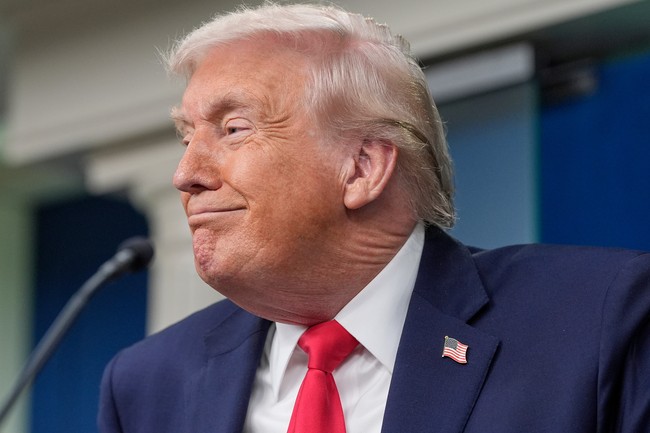
When Cook took the microphone she didn’t dial it back. She celebrated someone she believes acted decisively where others failed, and her enthusiasm was unmistakable. “I like her!” Trump said enthusiastically. We’ve seen this from Trump before, how he has such sympathy for families who have gone through so much, like the Angel Moms whose children have been killed by illegal aliens or the Gold Star families whose children were killed in Afghanistan.
Her exchange with the president was warm and plainspoken. “I like him!” Cook replied. “One thing I like about him, he keeps it real, just like Grandma.” That line summed up a theme many conservatives emphasize: straightforward leadership that avoids political euphemisms and delivers results. The crowd reacted to the authenticity of the moment because it felt earned.
Cook went further, saying, “I appreciate that because I can trust him, because he tells exactly what he feels and thinks. Thank God for this president!” She made it clear that trust was not abstract; it was tied to action on crime and public safety. For voters and families dealing with violence, trust in leaders hinges on measurable changes, not just rhetoric.
Pointing to long-standing frustration with local authorities, she addressed Democrats directly: “Nobody heard me, Democrats!” That blunt line underscored the political divide over whose concerns get prioritized in urban neighborhoods suffering from violent crime. She credited Republican intervention with finally prompting attention and resources that had been missing for years.
Cook pushed for tougher penalties and a stronger public safety posture, delivering a vivid mandate: “If you take a life, you do life!…If you do a harsh crime, you do harsh time! It’s just that simple! And we need National Guard, which we did years ago! He brought it on! I love him. I don’t want to hear nothing you gotta say about that racist stuff.” Her words reflected a law-and-order viewpoint focused on deterrence and accountability.
She also anticipated media backlash and challenged critics head-on. “And don’t be looking at me on the news, hating on me because I’m standing up for somebody that deserves to be stood up for! Get off the man’s back! Let him do his job, he’s doing the right thing! Back up off him. And Grandma said it!” That plea to let policy operate without partisan second-guessing resonated with supporters who prioritize results over optics.
The reaction in the room showed why these personal testimonies matter in politics. People cheered, and for a moment the political theater gave way to human connection — a grieving grandmother finding solidarity and a president listening. Those scenes are often what sway undecided voters who want leaders to address immediate safety and economic concerns.
Events like this are reminders that policy debates are ultimately about people and communities coping with trauma. Cook’s testimony fused personal loss with a public call for durable change, and that mix made her voice hard to ignore. In a political climate that prizes both toughness and compassion, moments like hers become focal points for argument and persuasion.
As the administration frames its record, stories from residents like Cook will likely be used to argue that decisive action and voter engagement can produce tangible improvements. Her presence at the White House event highlighted the contrast between long complaints and the promise of actual policy follow-through. For many conservatives, that contrast explains why ordinary citizens keep showing up to back leadership they believe delivers safety and opportunity.


Add comment