
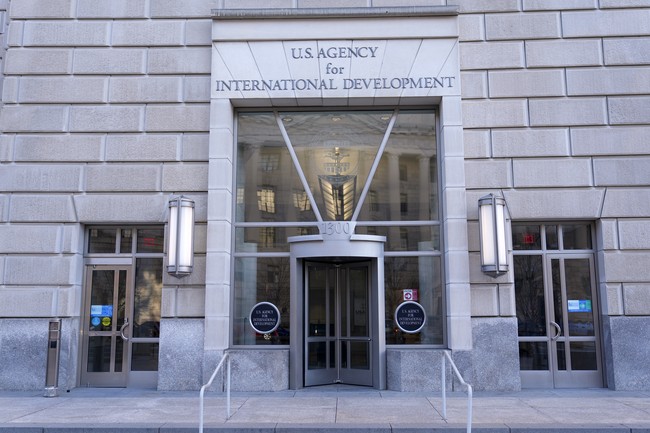
The Swamp Strikes Back: Democrats Plot to Reverse DOGE and ‘Rebuild’ the Government
The article explains how former Biden officials are quietly organizing a plan to undo recent Trump-era reductions to federal agencies and to remake the federal workforce under a bigger, more centralized government. It outlines the players involved, the proposals they favor, and why conservative voters should be wary of expanding federal power, new Cabinet-level agencies, and efforts to roll back accountability reforms.
Democrats are reportedly trying to undo the changes made when the Trump administration and allies pared back federal programs and reformed agency structures. Conservatives dubbed those moves DOGE, shorthand for an aggressive effort to shrink waste and reform how agencies operate, and now ex-administration officials are planning a response to put things back the way they were.
The reaction is predictable: people who want big government are drafting a roadmap to re-expand it. A coalition of former officials has produced a set of blueprints aimed at reorienting administrative functions so the federal bureaucracy can expand its reach and respond more directly to political priorities. Their stated aim is to restore what they view as broken systems, but the effect would likely be more layers of federal control.
That blueprint collection is being framed as a corrective to disruptions caused by conservative reforms. The plan calls for centralizing administrative work, creating a new agency to roll up human resources, technology, and financial management functions, and rewriting pay and bargaining rules to favor a larger, more unionized federal workforce. These are the classic ingredients for growing the administrative state.
The proposals are billed as practical fixes for operational problems, but the political intent is clear: rebuild the machinery of government so it can wield more power and resist future reforms. The roster behind the blueprints reads like a who’s who of career insiders and policy operatives who favor a stronger federal apparatus. That combination of expertise and ideological commitment makes these plans more than academic exercises.
https://x.com/RapidResponse47/status/1887886607044186355
In their own words, the authors frame the project as urgent and expansive. One participant insisted, “We have a lot of rebuilding to do. Our ambition shouldn’t be just limited to gluing the broken pieces of the vase back together.” That kind of language hints at ambitions beyond fixing glitches—this is about restoring institutional reach and influence.
Their proposed fixes include remaking how the federal government responds to presidential orders and emergencies, while concentrating administrative authority under a new Cabinet-level structure. Overhauling pay to better compete with the private sector and attacking collective bargaining limits are also on the list. Each item would make the federal workforce larger, better insulated, and more politically aligned with whoever runs the executive branch.
NOTUS: Ex-Biden Officials Are Planning How to Build Back the Government Post-DOGE
Former Biden administration officials are contending with a new reality: Future administrations won’t have a choice but to confront the way the Trump administration has disrupted how the government works.
Those involved aren’t shy about the scale. They want a government that can swiftly implement political priorities, staffed with career employees whose job security and pay are enhanced by federal programs and union leverage. From a conservative perspective, that creates a self-perpetuating bureaucracy that pushes policy via administrative means rather than through accountable legislation.
The plan is being positioned as defensive—repair the damage left by reforms—but it could be an aggressive blueprint for power consolidation. Centralizing HR, IT, and finance into a single Cabinet-level agency would hand enormous gatekeeping power to the executive branch and the permanent bureaucracy that runs it. That would make future rollbacks much harder.
What conservatives fought for was more accountability, less waste, and a leaner federal footprint. The proposals from these former officials aim to achieve the opposite by professionalizing and expanding the administrative state. That threatens the progress made to rein in bureaucratic excess and prioritize taxpayer stewardship.
Public policy isn’t just about efficient administration; it’s about where power rests. These blueprints show a preference for concentrating power in Washington and strengthening the institutions that exercise it. For voters and elected officials who want government closer to the people, this is a warning sign that the battle over the size and scope of the federal government is far from over.
Conservatives should note the stakes: reorganizing administrative structures and expanding federal employment incentives will shift the balance toward a larger, more politically adaptable government. The debate ahead will determine whether lessons from recent reforms stick, or whether the administrative class reasserts control with a new, well-documented plan.


Add comment