
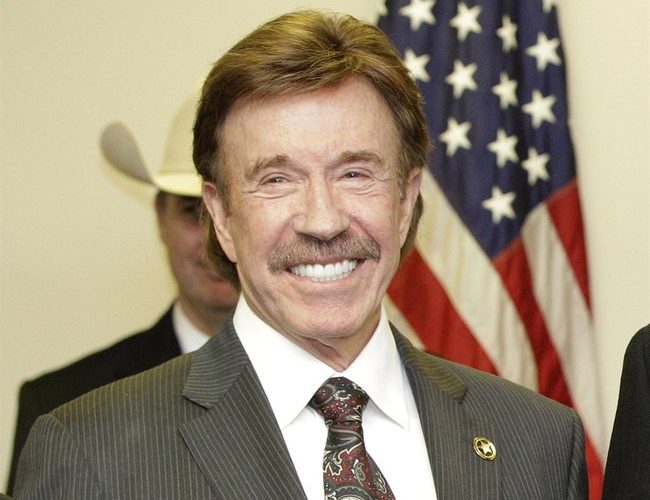
Chuck Norris died at 86, and his life sparked a clear conversation about strength, faith, and the kind of masculinity that once mattered in American culture. This piece reflects on how his public persona and family testimony lined up, why his steady portrayal of responsibility cut against Hollywood trends, and what his example means for a culture that often favors irony over conviction.
Reports say Chuck Norris passed away surrounded by family after a recent hospitalization, and his relatives described him as a man of faith, purpose, and devotion to loved ones. For many, the image they saw on screen matched what his family described offscreen: a disciplined figure who cared deeply about duty and belief. That alignment between public legend and private testimony is rare and worth noting. The life he led felt consistent with the characters he played.
For decades Norris was shorthand for toughness, the subject of countless jokes that turned his mythical abilities into a genre of humor. Behind the memes, though, was a simpler appeal: a calm, unapologetic strength that resonated with people who still value steadiness and moral clarity. That instinct is not simple nostalgia; it’s a critique of what too much modern storytelling now celebrates. Audiences noticed a man who embodied discipline without needing to make a spectacle of it.
Contemporary Hollywood often deconstructs its heroes, bending stories to show strength as shallow or virtue as naive. The result is a steady stream of characters who must be revealed as flawed, compromised, or comic in order to be interesting. Norris built a career by doing the opposite: playing men who took responsibility, defended the vulnerable, and acted as if right and wrong mattered on their own terms. That contrast has political and cultural resonance for people who prefer figures who stand firm instead of posture for approval.
Suggesting that actors become political symbols is not the point. The point is cultural influence: when the most visible images of American manhood are hollow or satirical, that sends a message about what we value. Norris offered a different message, one that tied strength to virtue rather than spectacle. His screen roles and the recollections of his family presented strength and goodness as naturally connected, not mutually exclusive.
His family emphasized faith, commitment, and ordinary devotion—husband, father, grandfather, brother—traits that matter in a culture addicted to curated personas. In an era of performative gestures and social media virtue signaling, those quieter qualities stand out. Fans saw a public figure who matched the private testimony of loved ones, and that cohesion matters. The conservative instinct sees a life like that and recognizes what should be celebrated.
That recognition does not claim perfection. No life or filmography is beyond criticism, and acknowledging strengths does not erase faults. What matters is the model Norris represented: someone who took his craft seriously, loved his family, leaned on faith, and did not apologize for embodying strength. That model runs counter to an entertainment ecosystem that too often rewards cynicism and moral ambiguity for its own sake.
The family has asked for privacy while they grieve, and that request deserves respect. Beyond silence, those who admired him can also reconsider how culture treats traditional virtues, not as historical artifacts but as active qualities to encourage. If strength and goodness are worth honoring, then the cultural examples we promote should reflect that judgment. Norris left a body of work and a life that invite that reconsideration.
His passing offers a moment to think about whom we elevate and why, and to weigh whether our stories should keep favoring brittle irony over steady conviction. Chuck Norris’s image—on-screen and in family memory—reminded many that discipline, faith, and love can coexist with competence. That reminder will shape how some people remember him and what they expect from cultural role models going forward.



Add comment