
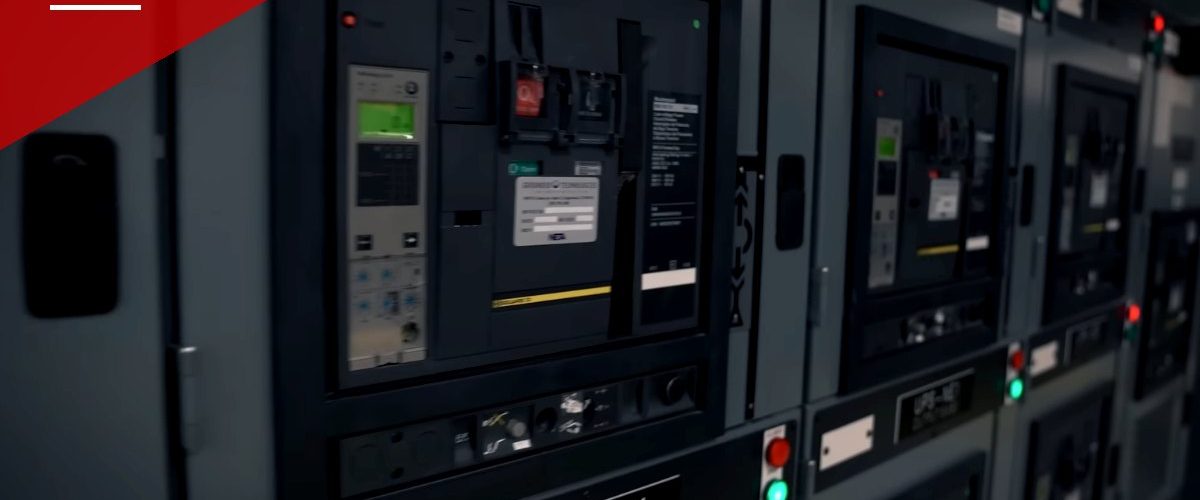
A growing backlash against data center construction across the country is being driven less by foreign disinformation than by the tech industry’s own failure to answer basic questions from local communities, according to a new commentary that argues Silicon Valley has badly misjudged the public mood.
The piece, published by The Federalist, contends that residents in towns facing new data center projects are not opposed to development itself but want straightforward answers about three things: what will happen to their power bills, how much water a project will consume, and whether promised jobs will outlast construction.
Tech companies have instead pointed to a recent disclosure by X of roughly 200,000 suspected Chinese fake accounts, 200 of which pushed messages specifically about data centers and power prices, as evidence that opposition to the projects is manufactured rather than genuine. The commentary argues that conclusion gets the causation backwards: Chinese influence operations did not create the anger over electric bills, water use, and closed-door decision-making, but simply exploited concerns that were already there.
A new advocacy group backed by Republican operatives has announced plans to promote data centers in battleground states, a move the commentary predicts will follow a familiar Washington playbook of polling, focus-grouped language, and ad buys that fail to address residents’ actual concerns.
Trump and Vance Stake Out Related but Distinct Positions
President Trump has warned that towns rejecting data center projects could end up “backwards and poor,” a comment that drew pushback from some of his own supporters and, according to the commentary, illustrated how little trust the industry has built with the public.
Vice President Vance offered a complementary argument the same day, saying most opposition comes from communities where these projects translate into higher utility prices, and arguing a data center should put “power back into the grid, not taking it out.”
The commentary frames these as two halves of the same position rather than a contradiction: the country needs to keep building to stay competitive in artificial intelligence, but companies profiting from that build-out need to cover their own costs rather than passing them on to local ratepayers.
What Communities Are Asking For
The piece, written by an author who grew up on a small almond farm in Bakersfield, California, argues that rural and small-town skepticism toward outside investors making big promises about water and electricity is rooted in a long history of communities being burned by developers.
Recommendations laid out in the commentary include:
- Companies bringing new power generation onto the grid and paying for the transmission and backup capacity a project requires, rather than raising costs for existing ratepayers
- Transparent, drought-tested plans showing how much water a facility will use and where it will come from
- Local hiring, apprenticeships with community colleges, and support for schools, fire departments and emergency services
- Formal community agreements with public milestones so residents can verify companies are keeping their commitments, with accountability if they are not
The commentary concludes that meeting the AI race abroad will require building data centers at home, but argues that should not require local families to absorb the costs while companies collect the profits, nor should residents raising questions be dismissed as unpatriotic or uninformed.


Add comment