
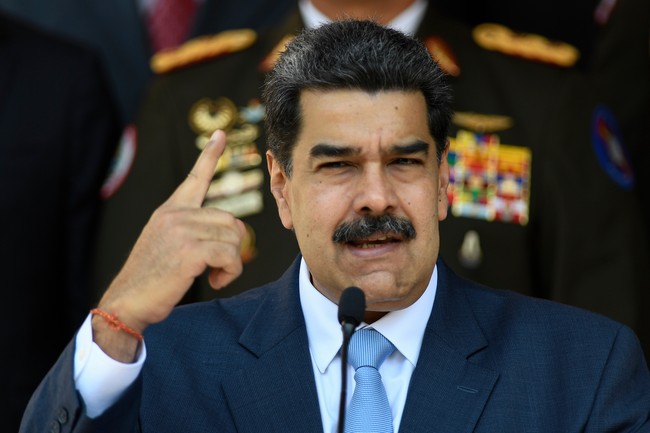
The U.S. has set a federal trial date for Nicolás Maduro and his wife, Cilia Flores: June 1, 2027. This article explains the schedule, the legal tactics being readied, the background of their seizure and charges, and why the case raises questions about sovereign immunity and presidential status. I cover what we know about potential defenses, the prosecutors’ allegations, and how the process will unfold before a jury. Expect complex motions and a slow path to a full criminal trial.
The court calendar now points to June 1, 2027, as the day the trial will begin. Judge Alvin K. Hellerstein entered that date after lawyers for both sides asked for a schedule that staggers pretrial proceedings. Defense teams will launch motions early in the fall, and oral argument on those motions is set for November 17, creating a months-long runway before jurors are ever chosen.
Judge Alvin K. Hellerstein set the June 1 trial date at the request of lawyers on both sides. Under the approved schedule, defense lawyers will begin filing requests in early September to challenge the indictment and the couple will return to the courtroom Nov. 17 for oral arguments on the motions.
Maduro, 63, and his wife, Cilia Flores, 69, have been held at a Brooklyn jail since U.S. forces seized them from their Caracas home in a middle-of-the-night raid and brought them to New York in early January.
Neither spoke during Wednesday’s 15-minute hearing as each sat separately at a defense table, surrounded by their lawyers. Both have pleaded not guilty. They face potential life prison sentences if a jury agrees that they were part of a conspiracy to send cocaine into the U.S.
The indictment will be attacked on multiple fronts, and some defenses go straight to the core of U.S. jurisdiction. Maduro was functioning as Venezuela’s president at the time of his capture, and his lawyers are preparing a sovereign immunity argument that could short-circuit further proceedings. If that line succeeds, it could end the case without trial; if it fails, expect a full-bore criminal fight on drug-trafficking allegations.
Maduro’s lawyer, Barry Pollack, has said he expects to contest the legality of Maduro’s “military abduction.”
During Wednesday’s hearing, Pollack said he will first challenge the indictment on sovereign immunity grounds because if that is successful, Maduro won’t have to continue litigating the case.
The lawyers have said there are complex legal defenses that the court must address before a trial can begin.
From a Republican viewpoint, the case is a rare moment when U.S. law enforcement and military capability intersect with foreign criminality and corrupt governance. The seizure and transfer of foreign leaders for prosecution is dramatic, but the charges themselves are serious and need to be adjudicated transparently. The defense will press procedural and international-law arguments, while prosecutors will press facts and networks tied to narcotics distribution.
Federal prosecutors have laid out sweeping allegations about long-running partnerships between Venezuelan officials and drug traffickers. Their description paints a picture of state actors enabling the export of tons of cocaine to the United States through corrupt networks. Those are the stakes prosecutors will bring before a jury if the threshold legal fights are resolved against the defense.
Federal prosecutors allege that since 1999, Venezuelan officials, including Maduro, have “partnered with some of the most violent and prolific drug traffickers and narco-terrorists in the world, and relied on corrupt officials throughout the region, to distribute tons of cocaine to the United States.”
Maduro’s capture on January 3, 2026, remains a focal point for the defense, which calls it an unlawful military abduction. Prosecutors will counter that the seizure was proper and that criminal charges are not blocked by immunity claims. The November oral-argument slot should give the court a chance to parse complex constitutional and international questions before a jury ever hears evidence about alleged drug rings.
Politically, the trial compounds the long record of Republican criticism of Maduro’s regime and of Democratic reflexes toward leniency for violent, authoritarian actors abroad. The case forces policymakers to reconcile law enforcement priorities with diplomatic fallout, and it puts a spotlight on how the U.S. treats foreign officials accused of transnational crimes. For conservatives skeptical of globalism, this is a test of American resolve to hold corrupt actors accountable.
Maduro rose to power after Hugo Chávez and presided over Venezuela’s economic collapse and hyperinflation, outcomes critics link to socialist governance. Questions about the legitimacy of his elections in recent years feed into the defense’s broader narrative about his status as a head of state. Those questions also intersect with the legalities that will decide whether the case moves forward to trial or stalls on jurisdictional grounds.
The coming months will be heavy with filings, hearings, and legal maneuvering. The court expects defense motions in September and oral arguments in November, and if those motions fail the path leads to a June 2027 trial. Until then, expect focus on sovereignty and procedure as much as on the underlying criminal allegations.

Add comment