
I’ll outline how Trump reacted to Putin’s latest threats, note the Oval Office exchange with travel executives, include the exact press exchange, assess Russia’s actions in Ukraine and ties with Iran, and flag why Republicans should watch how this unfolds.
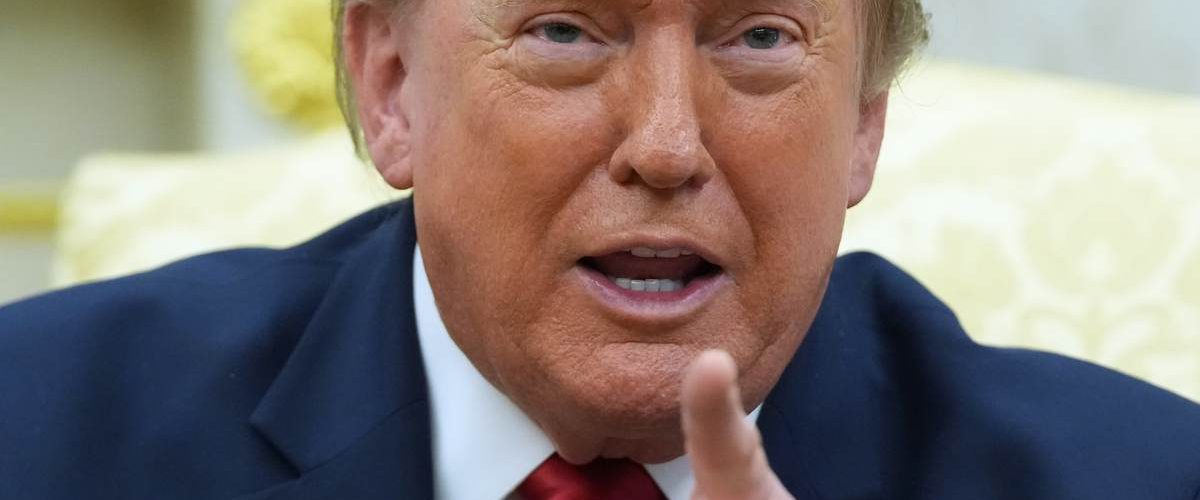
President Trump addressed Vladimir Putin’s recent threats about Ukraine in a brief Oval Office exchange, saying he still thinks Putin ultimately wants a deal. The short back-and-forth came while Trump was meeting with executives from major travel companies, and the foreign policy question interrupted a business-focused session. That interruption highlights how international crises can intrude on even domestic-focused meetings when great-power tensions spike.
The question to Trump came from a reporter pressing whether Putin’s public refusal to negotiate with Ukraine’s leadership was cause for alarm. Trump responded by repeating his belief that Putin wants to make a deal, adding that tough-sounding rhetoric can be part of negotiation tactics. Those comments reflect the president’s longstanding posture: negotiate hard in public, but leave room for a deal behind closed doors.
Below is the exchange from the press moment, presented exactly as originally stated:
ARCAND: Mr. President, Putin said today that he won’t negotiate with Ukraine because he considers them terrorists. Does that concern you? Do you think he still wants peace?
TRUMP: Well, I think he wants to make a deal. I’ve said that. I think he wants to make a deal. But, you know, sometimes people say things for negotiation. I know him very well. I think he wants to make a deal.
ARCAND: But he said he won’t negotiate with Zelensky.
https://x.com/cameron_arcand/status/2095220793852497962
TRUMP: We’ll see what happens. We’re going to find out. I think you’re going to know pretty soon.
Republicans should note the confidence in Trump’s tone because it reflects a different strategy from automatic alarmism. Saying Putin wants a deal is not a dismissal of the threat; it’s a judgment call about motives and leverage. That judgment will be tested by what Russia does next and how the U.S. responds.
On the ground, however, Russian actions have not suggested a rush to peace. Moscow has launched repeated drone attacks on Kyiv and is signaling it will keep targeting Ukraine’s energy grid as winter nears. These operations are not consistent with someone preparing to make an immediate, sincere peace offer, especially when they aim to degrade civilian infrastructure during harsh weather.
At the same time, Russia’s growing relationship with Iran complicates the picture and raises real national security concerns for the United States. Tehran and Moscow moving closer while the U.S. faces tensions with Iran creates overlapping flashpoints that could draw America into broader confrontation. From a Republican viewpoint, keeping the country prepared and maintaining clear deterrence signals matters as much as diplomatic outreach.
Trump’s line that “you’re going to know pretty soon” signals an expectation that events will clarify Putin’s intentions in the near term. That could mean sudden talks, a tactical pause, or an escalation—any of which would test Trump’s readiness to shift from patience and negotiation to a tougher posture if needed. Republicans wary of weak responses will be watching whether rhetoric is matched by firm deterrence measures.
When leaders like Putin issue hardline statements and keep military pressure on, they are probing both adversaries and supporters. Those probes aim to reveal whether the other side will back down or respond decisively. In this context, a president who combines clear warning with plausible routes to negotiation can complicate an adversary’s calculations without signaling paralysis.
There’s also a communications battle. Public comments from both Putin and Western leaders shape expectations and domestic politics in Ukraine, Russia, and the United States. For Trump, projecting confidence that a deal is possible may be intended to calm markets and allies, while also maintaining leverage for future negotiations. That approach will sit better with Republicans who favor strong posture backed by real options.
Actions in the coming days will be decisive: continued strikes or more cooperation with Iran would undercut the claim that Putin is pursuing peace in earnest. Conversely, any meaningful movement toward talks would test whether public bluster was tactical. Either outcome will force choices about sanctions, military aid, and diplomatic pressure that Republicans will insist be tied to clear U.S. interests.
For now, Trump’s assessment that Putin wants a deal remains an open bet. Republicans will watch whether that bet is validated by behavior or contradicted by further aggression and expanded ties to Tehran. Where rhetoric ends and policy begins is the moment that will determine whether patience pays off or must be replaced by firmer action.



Add comment