
I’ll explain the White House meeting’s focus on the 2026 FIFA World Cup, summarize President Trump’s comments on drug interdiction and possible action inside Mexico, include his quoted remarks verbatim, note recent U.S. strikes on suspected narco-traffickers, and keep the two original embed tokens in place.
President Donald Trump spent part of a White House gathering highlighting the economic upside of the 2026 FIFA World Cup coming to the United States, pointing to big revenue and jobs tied to the event. He cited estimates of roughly $30 billion in revenue and some 200,000 jobs created by hosting World Cup matches across multiple U.S. cities. While celebrating that economic boost, he pivoted quickly to a topic he framed as an existential crisis for American families: the flow of illegal drugs into the country. His remarks made clear that he views stopping that flow as a top priority, even if it means taking bold, uncomfortable action abroad.
Trump used the meeting not only to tout soccer and stadiums but to underline the administration’s efforts to choke off fentanyl and other deadly substances. He described recent operations that targeted suspected drug-running vessels and tied those actions directly to lives saved back home. Those operations, he argued, are a legitimate and necessary response to an emergency that has cost hundreds of thousands of American lives over the years.
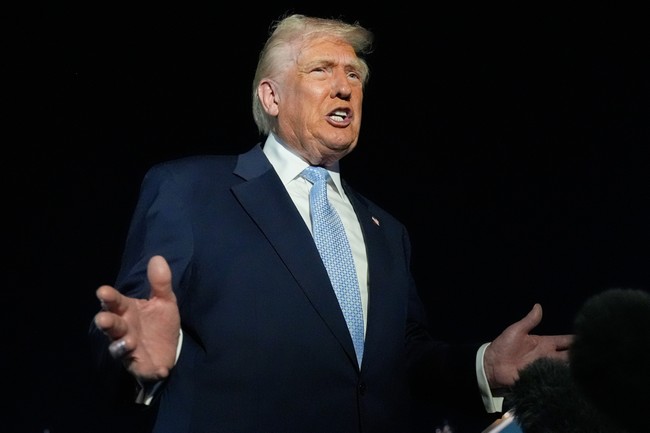
President Trump on Monday defended his administration’s decision to carry out airstrikes on the boats of alleged drug traffickers — and suggested he was open to doing whatever it takes to stop their trade, including launching attacks on Mexican soil.
“Would I launch strikes in Mexico to stop drugs? It’s OK with me. Whatever we have to do to stop drugs,” Trump said. “I looked at Mexico City over the weekend. There’s some big problems over there.”
“Every boat we knock out, we save 25,000 American lives,” he boasted of the strikes on suspected Venezuelan narco-terrorists, during a White House task force meeting on the 2026 FIFA World Cup.
The president’s tone was part warning, part challenge to other governments he sees as not pulling their weight, and part public justification for a more aggressive posture. He acknowledged that some of the toughest decisions might require political and legal steps at home, saying he would “probably go into Congress” if broader military action were pursued. Even as he stressed diplomacy and ongoing talks with other countries, his comments conveyed impatience with international partners he feels have failed to stop the trafficking.
“I didn’t say I’m DOING it…but I’d be proud to do it. We’d save millions of lives.”
“Would I do it on land? I absolutely – look, every boat we knock out, we save 25,000 American lives. Not to mention the DESTRUCTION of families!”
“Mexico…some big problems over there. If we had to, would we do there, what we did in the waterways? There’s almost NO DRUGS coming through the waterways. Down like 85%. I don’t know who the 15% are!”
Those words followed a campaign of strikes the administration has already carried out against suspected drug-smuggling vessels, which the president said have substantially reduced narcotics shipments via maritime routes. He framed the reduction in maritime trafficking as measurable progress while warning that traffickers will shift routes and tactics unless all channels are targeted. His message to domestic audiences was straightforward: decisive action on drug flows is necessary and will continue, with or without full cooperation from other nations.
Beyond maritime strikes, the administration has signaled a broader willingness to deploy military assets in the region to pressure transnational criminal organizations. Trump pointed toward the deployment of carrier strike capabilities and other forces near hotspots tied to Venezuelan and regional narco-activity as part of a deterrent posture. He cast these moves as defensive measures intended to dismantle criminal networks that threaten American communities.
Back home, Trump tied public safety to the economic message of the World Cup meeting, suggesting a secure environment is part of the pitch for big sporting events and tourism. He emphasized that preventing the flow of illicit drugs is not only a law enforcement mission but an economic and moral imperative. Those remarks make clear that the administration intends to keep pushing a hard line on narco-trafficking while continuing to use high-profile events to highlight policy successes.
Protests and unrest in parts of Mexico over recent days were noted in the discussion, and the president used those developments to underscore his point about instability in neighboring countries. He repeatedly returned to the notion that drug trafficking is akin to war against the American people, listing intelligence gains about traffickers’ locations and claiming a deep operational picture. The meeting combined big-picture economic optimism tied to the World Cup with an equally forceful national security pitch about stopping the flow of deadly drugs.


Mʏ ʟᴀsᴛ ᴘᴀʏ ᴄʜᴇᴄᴋ ᴡᴀs 8500 ʙᴜᴄᴋs ᴡᴏʀᴋɪɴɢ 10 ʜᴏᴜʀs ᴀ ᴡᴇᴇᴋ ᴏɴʟɪɴᴇ. My younger brother friend has been averaging 11k ʙᴜᴄᴋs for months now and he works about 22 hours a week. I cant believe how easy it was once I tried it out…….
Tʜɪs ɪs ᴡʜᴀt I ᴅᴏ__________ EarnApp1.Com