
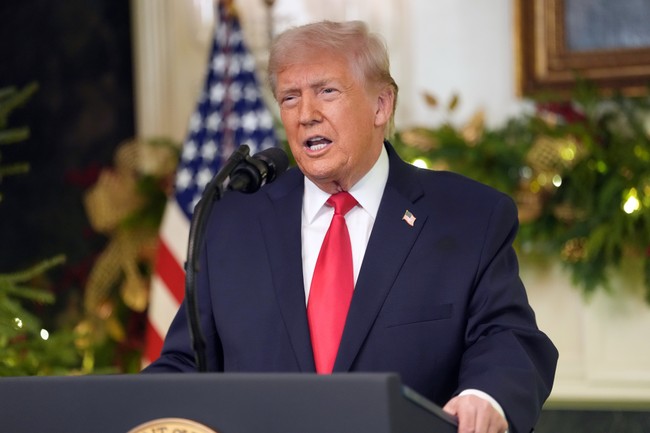
The Trump administration’s decision to recall roughly 30 ambassadors at once is drawing predictable uproar, but at its core this move is about presidential direction, accountability, and a shift toward an America First foreign policy that prioritizes U.S. interests. This piece examines why presidents replace diplomatic teams, how reassignment differs from firing, the practical guardrails the administration says it will follow, and the broader institutional tensions between career diplomats and elected leadership.
Presidents set policy and expect their diplomats to execute it; an ambassador is the personal representative of the president, not an independent foreign minister. When a new administration takes office, it is normal for it to want people who will carry out its priorities, and recalling ambassadors can be a legitimate tool for that. The point is simple: elections change leadership, and leadership changes policy direction.
Reassignments matter because career diplomats retain rank and can continue serving in other roles, so this is not an automatic purge of expertise. The administration has emphasized that many diplomats will be reassigned rather than dismissed, which preserves institutional knowledge while changing who occupies the most visible posts. That distinction matters for continuity, especially in capitals where sensitive work is underway.
It is fair to acknowledge that recalling dozens of ambassadors in one wave is unusual and worthy of scrutiny. Large, single-wave recalls are rare, and critics have a legitimate interest in how the shuffle is implemented and who will replace departing envoys. The unusual scale suggests the new team sees a meaningful gap between what it wants and what current missions are delivering.
The administration frames the move as alignment with an America First approach that puts U.S. national interests front and center, and that framing explains the urgency. For years, many Americans watched global commitments and international projects accumulate while core domestic priorities received less attention. Resetting who speaks for the United States abroad is one way to retool diplomatic messaging toward clearer, more explicit national priorities.
Officials say there are guardrails: diplomats will not be pulled from countries at war or from missions in the middle of high-stakes negotiations. That restraint, if followed, reduces the risk of unnecessary disruption and signals the intent is practical realignment rather than theatrics. Those kinds of limits are what a serious foreign policy should include.
The broader point is about democratic accountability. Ambassadors represent an elected president who answers to voters; that chain gives diplomatic action democratic legitimacy. Career expertise is valuable, but it does not eclipse the authority that comes from elections, and a president has every right to ask whether U.S. missions reflect the policy voters endorsed.
There are real questions to watch: will replacements be capable and experienced, will transitions be timed to minimize harm, and will the State Department preserve essential institutional memory? Those are operational concerns that deserve attention and sensible solutions. Scrutiny of implementation matters, even if the principle of alignment is sound.
Too many Americans have seen grand international efforts produce little tangible benefit at home, and that disconnect fuels skepticism about the foreign policy status quo. Policies that leave borders insecure, wages stagnant, or strategic objectives murky deserve reevaluation. Having ambassadors who clearly advance a coherent national agenda is a step toward rebalancing priorities.
Critics who frame any large-scale recall as automatically reckless miss the point that leadership changes often require personnel changes to be effective. The alternate risk is leaving representatives in place whose posture and priorities reflect a bureaucracy rather than the direction voters chose. If the mission alignment is unclear, asking for a reset is a responsible exercise of presidential authority.
In practice, the test will be results: whether new envoys deliver clearer, tougher diplomacy that protects American interests and whether the transitions preserve critical operations. The stakes are real and the scrutiny should be too, but an elected president reshaping diplomatic representation is within the normal bounds of governance. Bringing people home to reassess and redirect a mission may be overdue rather than radical.


Add comment