
Checklist: frame Trump’s State of the Union as a shift from spectacle to policy; emphasize economic, border, cultural, and moral themes; preserve exact quoted material; keep a clear Republican viewpoint grounded in concrete claims.
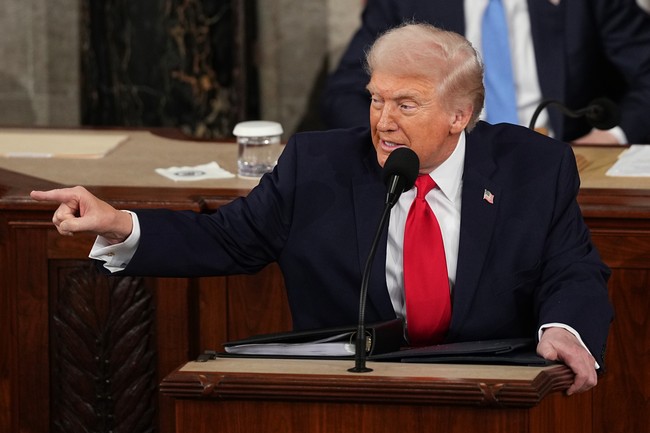
President Donald Trump used the State of the Union to stake out how he plans to measure success in a second term: stronger paychecks, firmer border control, and a renewed moral confidence about America’s role. The address mixed seriousness with occasional levity, and it repeatedly tied policy promises to everyday problems people face. That approach makes the case clear: this is about concrete improvements, not political theater.
The central economic pitch was plain and populist. Trump painted an economy that is “booming,” citing falling inflation and rising wages as evidence that Americans can see progress in their own lives. By focusing on lowering costs, expanding retirement options, and matching contributions for workers left out of traditional corporate plans, he framed the choice as one between growing paychecks or growing government programs.
He also leaned into a rhetorical reset. At one point he quipped that the country is “winning too much,” a line that blends classic Trump swagger with a deliberate effort to recast national mood. That line lands because it forces a conversation about measurable gains instead of perpetual grievance, and in politics posture can be as important as policy.
Border security formed the second pillar of the speech and it was presented as both practical and moral. Trump said the border is now the most secure in American history and described aggressive deportations of criminal illegal immigrants, insisting the federal government’s primary duty is to protect citizens first. When he told stories of families who lost loved ones to crimes committed by people who should never have been in the country, he framed border policy as a moral question about whose safety matters most.
The speech was calibrated to show sincerity as well as policy chops. He highlighted children and families who survived tragedy and pointed to a wounded service member who defied medical expectations, tying national renewal to real people. “He also highlighted the Men’s U.S. hockey team winning gold on Presidents’ Day (Washington’s birthday) and invoked the iconic 1980 Miracle on Ice victory over the Soviets.” Those moments are classic State of the Union fare, but they serve to connect big claims about national renewal with specific faces and stories.
Culturally, Trump pressed on parental rights and voter integrity with plain, direct language that will anger activist circles and reassure many parents. On voter identification he argued bluntly that if you need documents to get a job you should need them to vote, painting opponents as seeking an unfair advantage. On education he framed disputes over gender ideology and parental involvement as a choice about whether the state answers to families or the other way around.
Opponents will focus on exaggerations, legal fights over tariffs, and foreign policy risks, and that pushback will be loud and persistent. Still, the larger through line of the address is strategic: Trump is positioning Republicans around prosperity, security, and national self-assurance. He is asking voters to choose a vision that values economic opportunity and public safety above managerial experiments or symbolic gestures.
This speech is also a political pitch about tone and confidence. Liberals may mock the style and dismiss the one-liners, but the choice on offer is stark and easily understood: should America apologize for wanting to win and protect its people, or should it do those things openly and without shame? Trump’s SOTU deliberately puts that contrast front and center for voters to judge.
There are practical details to debate, and many questions about how promises translate into durable policy. But from a Republican perspective the address succeeded at turning abstract grievances into specific promises about jobs, borders, and family-centered governance. The night reinforced a campaign theme that the country is stronger when leaders prioritize ordinary Americans and their security.
Editor’s Note: With President Trump back in the White House, the state of our Union is strong once again.
Support RedState’s coverage of the president’s State of the Union Address and help us report the truth the radical Left doesn’t want you to hear. Join RedState VIP and use promo code POTUS47 to get 74% off your VIP membership.


Add comment