
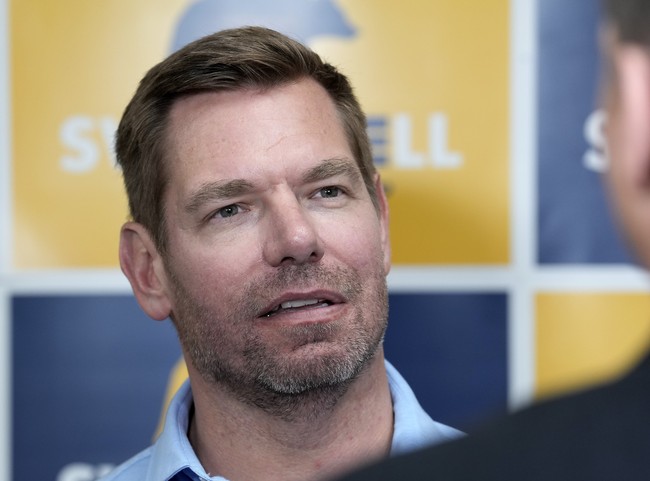
The Swalwell scandal has unfolded rapidly: allegations of sexual misconduct, legal probes, campaign suspension, and a growing chorus questioning who in the media and on the Hill knew what and when. This piece lays out the timeline of revelations, the reactions from journalists and insiders, the media’s double standard, and the political implications now that Swalwell’s political future is in tatters. It highlights firsthand claims that the behavior was an open secret and the uncomfortable questions about why the press sat on it. Embedded posts from journalists and commentators are preserved below to show how this story surfaced over time.
Eric Swalwell’s collapse has been dramatic and swift. In days he went from candidate to pariah, facing multiple allegations of sexual harassment, an accusation of sexual assault investigated by Manhattan prosecutors, and an ethics probe at the House level. His gubernatorial bid is suspended, and even longtime allies have publicly withdrawn their support, reflecting the political cost of the revelations.
The list of problems is long: accusations from staffers and interns, a former staffer alleging sexual assault, a probe by the Manhattan DA, internal staff revolts, and scrutiny from federal immigration authorities over household employment practices. Each development has added pressure and made it harder for colleagues and donors to justify staying loyal. The cumulative effect is a toxic brand that has rapidly eroded whatever political capital he had left.
Plenty of people on Capitol Hill are now saying these allegations were not new to them. Former staffers, consultants, and local journalists describe a pattern of behavior that stretches back years—years during which the mainstream press appears to have left the story untouched. That discrepancy between what insiders knew and what the press pursued has fueled anger and suspicion about selective reporting.
Journalists themselves have acknowledged passing along tips years ago or declining to pursue them because it wasn’t their beat or because the legal risk seemed high. One reporter said she passed the matter to colleagues because she wasn’t covering that area then, while an independent reporter said he avoided a public story because alleged victims were unwilling to speak and because of threats of litigation. Those admissions raise the question of why decisive reporting didn’t happen sooner.
Bethany Allen’s note that she was aware of rumors in 2020 but thought it wasn’t her beat is telling in this context. Her decision to route information instead of digging in reflects a newsroom calculus that, at least in this instance, delayed public accountability. The embedded posts below show her comments and the timeline of what she did with the information she had at the time.
Allen also pointed out she had worked on the Fang Fang-Swalwell item, which she framed as evidence she was not afraid to pursue negative stories when warranted. That claim adds another wrinkle: it suggests the issue was not fear of negative coverage but selective attention. The original post she referenced is preserved here.
Local journalist Steven Tavares says the concerns date back to 2013, before Swalwell was in Congress, and that he couldn’t get witnesses to go on record. From the perspective of a regional reporter, the threat of litigation and the reluctance of alleged victims to speak are real impediments to publishing. Still, that raises the question of why broader press resources weren’t deployed when patterns emerged.
The broader political point many conservative observers are making is about media bias and double standards. Podcaster framed the situation as an open secret in Washington that the legacy media ignored until it suited them. Her exact words are reproduced below, because they capture the accusation that the press applied different rules based on political convenience.
The Legacy Media and the DC Press Corps knew about these allegations for over a decade. Women on Capitol Hill knew the type of man Eric was—this has persisted since my early days on the Hill in 2013. This was an open secret. He was drunk at bars with young women.
Eric was an elected member of Congress who ran for President. Yet, the Liberal Elite Media didn’t peel back the curtain until it served their interests when he was close to the Governorship.
The media is complicit in further abuses of power by Eric Swalwell; they covered for him.
This would have NEVER been the case if this were a Republican—it would never have served their interests. The double standard is evident in all the disclosures of media who received texts and shared evidence that they held for years.
Not everyone outside conservative media buys the claim that reporting was entirely absent; some prominent journalists announced recent coverage as the product of solid investigative work. CNN’s Brian Stelter, for example, called Swalwell’s withdrawal from the race “a testament to the power of investigative reporting,” a take many on the right find galling given the timeline of alleged knowledge on the Hill.
What remains clear is how quickly politics can turn when allegations align with a narrative of institutional failure. Democrats who once supported Swalwell now distance themselves, and the party must reckon with how to handle elected officials accused of serious misconduct. For Republicans, the episode underscores two points: the need to hold powerful figures accountable regardless of party, and the importance of skeptical scrutiny of media behavior when breaking stories intersect with politics.
The embedded material throughout this piece shows original posts and commentary from those who say they knew something earlier and those who claim credit for digging. Readers can see the claims and timing preserved as part of the record.

Add comment