
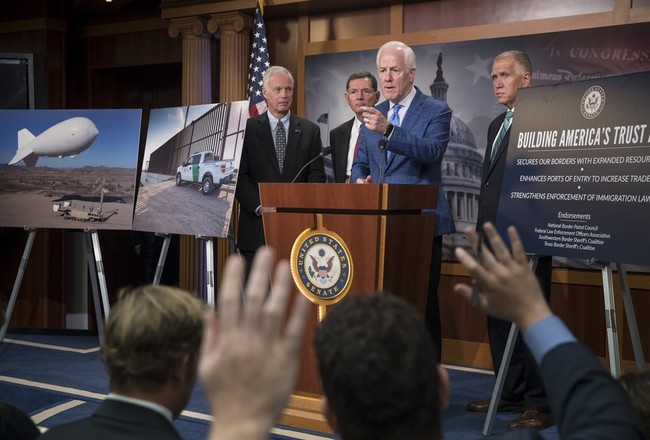
Outgoing Senators John Cornyn and Thom Tillis blocked a committee vote on Acting Attorney General Todd Blanche this week, turning what they describe as a drafting dispute over language in the Justice Department’s settlement related to Donald Trump’s tax records into a stall that prevented the nominee from advancing to the Senate floor.
Two Senate Republicans who will not return to the next Congress withheld support for Blanche after demanding specific language changes to a settlement that shields certain past tax examinations. The dispute stems from a response to Charles Littlejohn’s theft and release of confidential tax records and the Justice Department’s order closing some IRS examinations as part of a settlement. Cornyn and Tillis say they want explicit written text clarifying that the settlement does not protect future filings from audit, and they withheld a committee vote until their concerns are addressed.
Senate Judiciary Committee Chairman Chuck Grassley postponed the scheduled vote after the pair failed to line up enough support to move the nomination forward. The Justice Department has already made at least one concession in response to backlash over the broader agreement, dropping a proposed Anti-Weaponization Fund after bipartisan criticism. Still, the audit shield language remains central to this disagreement and Cornyn insists the written document must match Blanche’s sworn testimony about the settlement’s scope.
“We need to conform the actual document to what Todd Blanche testified under oath as the president’s acting attorney general. We’ve had two meetings scheduled that have now been canceled because they have not been responsive in providing those written documents.”
Tillis publicly framed the issue as a narrow fight over wording, calling the push for adjusted text a “drafting exercise.” He acknowledged that, in his view, everyone shares the same objective and that the disagreement is about precise phrasing rather than substance. Yet that so-called drafting exercise was enough to pull the nomination from the committee calendar, delaying Blanche’s confirmation process despite the consensus Tillis claims exists on the goals of the settlement.
“We’re trying to work just to get the language. I really do believe it’s just a drafting exercise. I don’t believe that we’re apart in terms of the objective.”
The optics look bad for Senate Republicans who control the majority and for the White House, because two exit-bound senators effectively vetoed the president’s pick for the Justice Department. Critics from the Republican side argue that if Cornyn and Tillis oppose Blanche, they should cast that vote openly on the floor and explain their reasons to voters rather than using procedural delays. Supporters of Blanche counter that he has a long record as a prosecutor and has already been running the department as acting attorney general with attention to violent crime, border security, and related policy priorities.
President Trump weighed in, praising Blanche as “outstanding” and suggesting Cornyn might be taking the delay personally after losing a primary to an ally endorsed by the president. Trump’s comments raised the question of whether political grudges are driving what others call a technical drafting dispute. Cornyn denied the charge that he sought revenge, calling suggestions that he was motivated by personal spite “a convenient excuse” and insisting his concerns are substantive.
“Well, all I can say is Todd Blanche is outstanding. And I thought he’s — I thought it was pretty routine because he’s so good. You just wouldn’t find a better person. So, I don’t know, maybe John Cornyn is upset with me because I didn’t endorse him. I don’t know what it is, but I haven’t heard that there’s a problem.”
The underlying controversy traces back to the theft of Trump’s tax material by a contractor who pleaded guilty for handing over the records, and to the Justice Department’s effort to close out certain IRS examinations tied to that breach. Cornyn’s request is narrowly targeted: he wants explicit language that the agreement covers only past or specified examinations and does not preclude future audits of subsequent filings. For Republicans who prioritize rule of law and accountability, the concern is that vague language might create unintended, long-term protections for a private citizen’s future tax filings.
Blanche’s supporters argue the nominee has the experience necessary to lead the department and that the settlement language is meant to rectify a specific failure by the IRS to protect taxpayer confidentiality. Opponents say precise drafting matters because it determines who can be investigated or audited down the line. With the committee vote postponed, the nomination now hangs on resolving a dispute both sides characterize as technical, but which carries real political weight given its impact on confirmation timing and public perception.
For now, the fight rests on whether Cornyn and Tillis accept the revised language the Justice Department says it sent, and whether Senate Republicans will insist on an immediate vote or allow a lingering procedural block. The situation leaves the president’s nominee in limbo and puts a spotlight on how a couple of outgoing senators can shape major personnel outcomes in the final stretch of their terms.


Add comment