
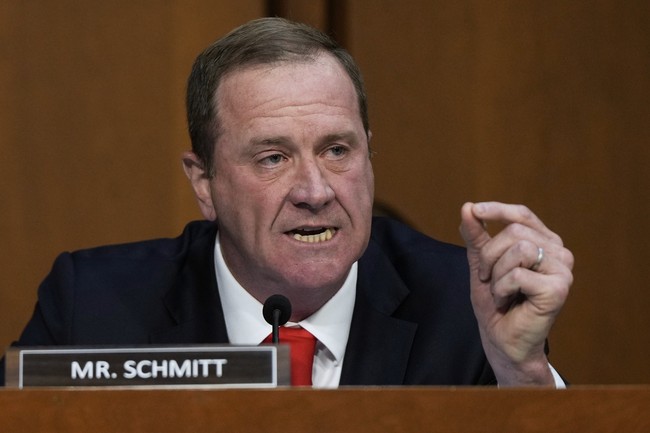
At a recent Senate hearing on the Department of Homeland Security, a Democrat staged a public stunt that drew a sharp rebuke from Sen. Eric Schmitt, who used the moment to call out the human costs of open border policies and defend enforcement actions by DHS and ICE. The exchange highlighted partisan tactics at hearings, the political stakes around immigration heading into 2026, and the continuing debate over how best to secure the border while enforcing the law.
Partisan theatrics at congressional hearings aren’t new, but they still grab headlines and shape narratives. During the DHS oversight hearing this week, Democrats tried to put faces to their critique of enforcement by asking citizens they labeled as “wrongfully arrested” to stand while questioning Secretary Kristi Noem. The move was designed to dramatize a point, and it worked for a moment in the chamber.
Committee dynamics shifted quickly when Sen. Eric Schmitt responded with a blunt counterpoint focused on victims who can’t stand up because they were killed by illegal entrants. Schmitt stressed the human toll of lax immigration enforcement and tied those deaths to policies that have allowed millions to cross the border. His comments were forceful and aimed to reframe the conversation from a staged spectacle to the real-world consequences communities face.
The hearing also included broader remarks from committee leadership on the importance of balancing enforcement and dignity. “From my perspective, I believe immigration enforcement and dignity aren’t mutually exclusive,” committee Chairman Chuck Grassley (R-IA) said in his opening statement. That line captured the Republicans’ central argument: you can respect people while still upholding the rule of law and protecting the country.
Schmitt moved beyond rhetoric to lay out the history and outcomes tied to border management failures. He described tragedies and specific incidents that, in his view, stemmed from policies focused on political calculations rather than public safety. The senator emphasized that the goal is not mass amnesty but continued, tough enforcement combined with proper resourcing of ICE and CBP.
He also noted that Republicans had made sure to “frontload the money for ICE,” a point meant to reassure constituents that enforcement agencies have the tools and funding to act. That is a contrast Republicans aim to draw against Democratic calls that often prioritize oversight, reform, or limits on certain operations. For conservative voters, funding and empowering law enforcement is seen as essential to restoring order and protecting communities.
The clash at the hearing plays into larger political calculations ahead of the 2026 midterms. Polling and analysis have suggested immigration is not a clear advantage for Democrats, and some data analysts have argued the issue could favor Republicans on the trail. “Democrats running on immigration may actually be to the Republicans’ advantage,” CNN data analyst Harry Enten observed. “This is actually an issue that Republicans should be more comfortable running on than Democrats.”
Republicans in the hearing used the moment to underline that argument in plain terms: voters care about public safety, and many remain skeptical of policies that appear to prioritize political gain over enforcement. That skepticism is what fuels support for stricter border measures, more robust deportation efforts, and stronger backing for the agencies charged with homeland security.
Beyond the sound bites and the viral clips, the policy debate hinges on definitions of success. For Democrats staging protests in committee rooms, success is often defined as limiting enforcement or exposing individual actions that seem harsh. For Republicans, success means reducing illegal entries, protecting citizens, and ensuring that agencies have the authority and funding to carry out deportations when appropriate.
The hearing also surfaced a recurring tension: oversight versus operational freedom. Republicans argue that too much political obstruction or public pressure can hamstring operational effectiveness, while Democrats counter that agencies need strict accountability. That debate plays out in hearings, funding votes, and in the public square, and it shapes how enforcement will look in the months and years ahead.
What emerged from this exchange was not just a viral clip but a clear Republican message about priorities: enforce the law, secure the border, and protect Americans. The tone was unapologetic and aimed at voters who want decisive action rather than political theater. As the 2026 cycle looms, expect immigration to remain a front-line issue where Republicans press a message of law, order, and the human costs of permissive border policies.


What the heck, Noem could have agreed with Blumenthal and then explained the circumstances. Democrats are the ones that dodge the questions, Republicans shouldn’t do that. It just brings them down to the low level of Democrats. Disappointing.