
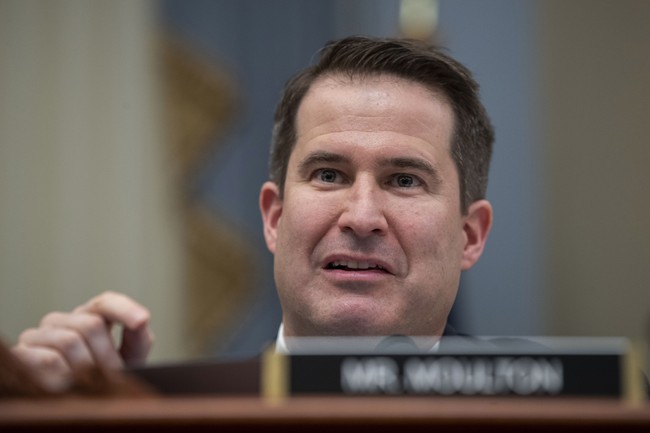
This article examines the fallout after Representative Seth Moulton brought an undocumented teen to the State of the Union, the Department of Homeland Security’s public challenge, and subsequent reporting that uncovered police records referencing the guest in prior incidents.
In late February, House Democrat Seth Moulton drew attention by inviting Marcelo Gomes da Silva to the State of the Union. The action was framed by allies as a human story, but it also drew immediate scrutiny from federal authorities and critics who say it highlights broader enforcement gaps at the border.
The Department of Homeland Security publicly identified three lawmakers who planned to bring noncitizen guests, and specifically named Gomes da Silva in a post that challenged the legality of his presence. DHS that “@RepMoulton plans to bring illegal alien Marcelo Gomes DaSilva. Gomes DaSilva is an illegal alien who has no right to be in our nation. We are committed to enforcing the law and fighting for the arrest, detention, and removal of aliens like him.”
Gomes da Silva, who is 19, did make it to the chamber and was publicly displayed as part of a political statement intended to criticize immigration enforcement. His presence turned a private story into a public controversy, forcing institutions to respond and raising questions about vetting and accountability for guests of lawmakers.
After the DHS post, Representative Moulton said he sheltered Gomes da Silva in his office to prevent immediate government action and later offered an explanation on social media. That explanation addressed the tweet and attempted to frame the move as safeguarding a young person caught up in immigration enforcement.
Local reporting by the Boston Herald then dug into Gomes da Silva’s past and located references to him in police records from 2021. The Herald’s request for those records was denied by local officials, who cited the records’ involvement with juveniles and a sexual assault investigation, leaving key details out of public view.
Congressman Seth Moulton’s illegal immigrant guest during the State of the Union address is referenced in police reports involving sexual assault and juveniles, police say.
The Herald submitted a public records request to the Secretary of State’s Office and the Milford Police Department regarding two reports, one from June and the other from September of 2021, where Marcelo Gomes da Silva was apparently named as the person of interest.
The Herald sought the police report numbered 21-23101 dated 9/15/2021 featuring Marcelo Gomes da Silva and 1-16254 dated 6/30/21 also featuring the 19-year-old.
Milford Deputy Chief John Sanchioni denied both of those requests, indicating that the police report from June 2021 “involves a sexual assault and juveniles,” and that the report from September 2021 “involves juveniles.” He did not elaborate.
The Herald is appealing both the Milford Juvenile Court and the Milford Police’s denials on the grounds that Moulton brought Gomes da Silva into the public debate, which creates a legitimate public interest in the records. That appeal reflects a common tension: when a private individual’s story is put forward for political purposes, transparency advocates argue the public should be able to see the underlying records.
The denials mean there is still no public resolution on the alleged incidents referenced in 2021, and that gap fuels partisan argument. Supporters of the congressman maintain he acted out of compassion for someone they say was mistreated by ICE, while critics say the move exposed reckless judgment and undermined law enforcement authority.
How lawmakers handle guests with complicated legal histories is now a hot-button point for both sides of the immigration debate. Republicans argue this episode underscores the need for stricter controls and better coordination between elected officials and federal agencies, while Democrats counter that these are human stories that deserve sympathy and reform.
For now, key questions remain unanswered: what the sealed records actually contain, why local officials refused release, and what responsibility members of Congress have to vet guests whose immigration or criminal histories may create national security or public safety concerns.


Add comment