
The week offered a clear lesson about unions: organized labor can help where it fills a real market need, but when it targets nonprofits, media outlets, or small retail outlets, the moves can backfire and leave workers worse off. From a one-day walkout at a donor-funded newsroom to an Apple Store closure after unionization, these stories show how well-intended organizing efforts sometimes ignore incentives and consequences. They reveal a common pattern where symbolic pressure and misread leverage produce real losses for employees and communities. The following piece looks at those episodes and the hard choices companies and workers face.
Unions began as a response to genuine imbalances in bargaining power, and they still serve a function in large industries where collective action corrects market failures. But not every workplace is a natural fit for unionization, and the failure to consider the economics can be costly. When organizers treat every workplace the same, they risk turning otherwise sustainable operations into financial liabilities.
Take the recent ProPublica staff strike: a nonprofit, donor-supported outlet where employees staged a one-day work stoppage. The tactic felt weak from the start; announcing a brief, scheduled pause destroys leverage because it signals limited pain and gives opponents time to plan around it. More importantly, asking readers to avoid the site on the strike day undercuts the very revenue and visibility that sustain a nonprofit newsroom.
On its face, urging people not to visit a site to prove the value of that site’s journalism is self-defeating. For a nonprofit that relies on donations and grants, traffic and donor visibility matter. Cutting off pageviews for a day also silences donation appeals and undermines the argument that higher pay can be funded by audience support.
There are echoes of similar missteps at larger papers. Staff revolts and public outrage can alienate subscribers and advertisers, and hurt revenue more than they help bargaining. For organizations operating in crowded media markets, internal conflict often accelerates financial strain instead of resolving it. When employees publicly shame their own outlets, the public can respond by walking away.
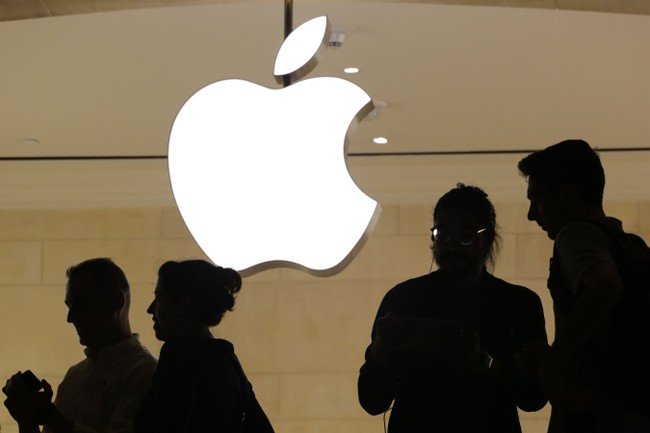
The Towson Apple Store union case shows a different, but related, risk. The store’s employees organized under a branch of a machinists’ union and then faced a permanent closure announced by the company. Management blamed declining mall conditions, while the union accused Apple of union-busting. The union’s statement called the relocation claim false and promised legal action, but the end result for workers was immediate: dozens of jobs lost.
What matters here is simple: added labor costs without clear revenue upside increase a business’s financial burden. Retail is a thin-margin business; when a payroll rises without matching sales growth, companies choose to cut exposure. That choice often means shuttering locations or reducing headcount, outcomes that hurt the very people unions aim to protect.
Workers sometimes overlook the alternatives. Boosting local sales, improving customer experience, and finding new revenue channels are practical ways to protect jobs. Organizing can be part of a strategy, but when it becomes the sole focus, it can blind workers to everyday steps that actually keep stores open and employees employed.
Across industries, the math is unforgiving: payroll is typically the largest expense for a business. Adding costs without increasing productivity or revenue can push a location into unprofitability. Employers then face hard decisions—reduce staff, close stores, or relocate—which are rarely good news for frontline workers.
That doesn’t mean there’s never a place for unions, or that workers shouldn’t fight for better conditions. It means tactics should fit the context and the economic realities. Symbolic protests in cash-starved operations and one-day strikes at donation-dependent outlets look bold on social media but can produce the opposite of the desired effect in practice.
Ultimately, workers deserve thoughtful strategies that protect jobs and improve pay without destroying the revenue that supports those wages. Effective organizing must reckon with incentives, margins, and customer behavior, or it risks turning well-intended efforts into self-inflicted losses. The recent spate of union headlines is a reminder that good intentions alone won’t prevent unemployment or shuttered stores.
•Editor’s Note: For decades, former presidents have been all talk and no action. Now, Donald Trump is eliminating the threat from Iran once and for all.

Add comment