
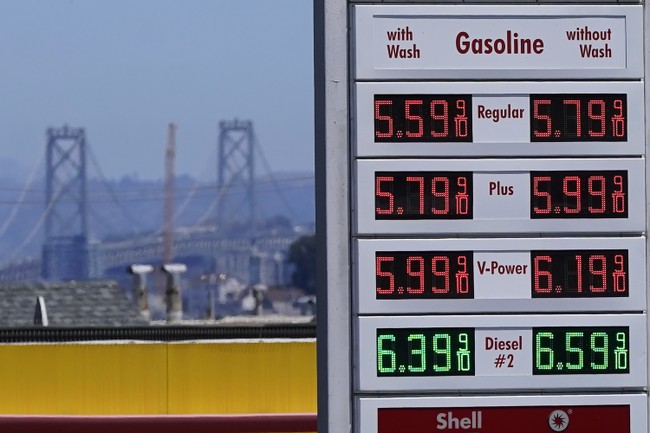
Rep. Kevin Kiley has introduced the “Gas Tax Reduction Act,” a proposal to withhold federal highway funds from states that keep gas taxes at or above $0.50 per gallon, a move aimed squarely at high-tax states like California and framed as holding state leaders accountable for the burden they place on drivers.
Kiley’s proposal would instruct the Transportation Secretary to reduce certain federal transportation dollars by 8 percent for any state whose gas tax meets or exceeds the $0.50 threshold. The plan targets traditional federal highway funding streams and links federal support to state tax decisions, pushing back on what proponents call a pattern of overtaxing citizens to cover inefficient spending.
The bill’s focus is unmistakable: use federal leverage already applied to other state compliance matters and apply it to state fuel tax policy. That approach echoes past federal tactics, where funding has been tied to issues like highway safety standards, and the message from Republicans is straightforward — if states choose to tax drivers heavily, there should be financial consequences.
Kiley has been explicit in his reasoning, arguing that Sacramento and similar capitals should not expect unlimited federal support while they “punish” drivers with high taxes. The representative frames this as an accountability measure that forces state leaders to choose between keeping steep gas levies or accepting reduced federal transportation funding for roads and bridges.
California’s gas tax tops 60 cents per gallon, placing it among the highest in the nation, and several other states exceed the proposed 50-cent trigger. Those revenues have been justified by state officials as critical to maintaining infrastructure, funding long-term projects, and closing shortfalls that would otherwise shift the burden to other parts of the budget.
From a Republican perspective, the core problem isn’t just revenue levels but the policy choices that drive them, including spending priorities and regulatory burdens. Conservatives point out that voters in some states have approved higher taxes in ballot measures, but they also argue that elected state officials have the power to reduce or restructure taxes and have repeatedly declined to do so.
Opponents warn that trimming federal transportation funds would create real consequences for road maintenance and bridge repair, especially in states that rely heavily on gas tax revenue for local projects. Critics also claim the move politicizes federal funds and could complicate efforts to secure bipartisan support for nationwide infrastructure needs.
Supporters counter that the real politicization is the continued expectation of federal bailouts for states that choose tax-and-spend approaches. They argue the bill simply aligns federal dollars with fiscal responsibility and gives citizens a clearer line of sight between state policy choices and their pocketbooks at the pump.
There is a practical tension here: lowering state gas taxes would reduce dedicated revenue used for infrastructure, potentially creating funding gaps that states would have to address through other means. Republicans argue that responsible budgeting and cutting waste, rather than expanding taxes, should be the default response when costs get too high for families.
This legislation also represents a strategic shift in how federal leverage is used, taking a tool traditionally deployed for safety and civil standards and applying it to tax policy. The move is designed to force a policy debate at the intersection of state autonomy and federal fiscal influence, with a clear conservative argument that residents should not be overtaxed to prop up inefficient state spending.
At its core, the bill offers a blunt choice to state leaders: either reduce the tax burden you place on drivers or accept a corresponding reduction in federal transportation aid. Republicans promoting the bill say it returns some fiscal accountability to the conversation and makes state governments face the consequences of their tax decisions instead of relying on Washington for relief.



Add comment