
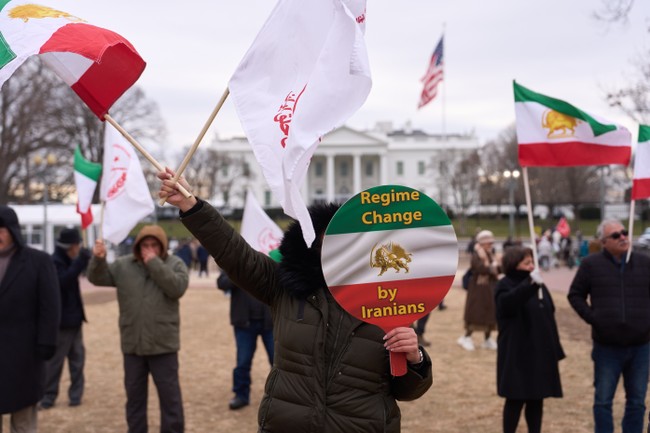
The author recounts a childhood memory of watching Tehran erupt in 1979 and traces a personal and national journey from exile to hope, arguing that recent events in Iran and U.S. policy shifts have shifted the balance of power and opened a real chance for regime change and a secular future.
My earliest memory is a silhouette of chaos framed by a window, a scene I still carry with me. At three years old I watched Tehran unravel from our apartment, smelling burning tires and hearing chanting that sounded possessed. In that fog of fear I made up innocent rhymes about “snakes” and guns, unaware that those images would come to stand for a theocracy determined to strangle its own people. That era produced a long refugee story for my Jewish family and sent us to the United States in search of safety and a future.
America gave me a life my homeland could not: the chance to learn, to heal, and to speak. I became a physician and a scientist because a new country offered tools and possibilities that were forbidden back home. Every patient I care for and every time I appear on camera I am conscious of living a “stolen life” that belongs to those I left behind. Gratitude for refuge fuels my work and sharpens my conviction about Iran’s future.
For forty-seven years the regime in Tehran has behaved less like a government and more like a terminal disease, using faith as cover for repression. They silenced music, dancing, and the free exchange of ideas while turning prisons into places of systematic cruelty and shame. This ideology exported terror across the region and drained the country’s resources while crushing the civic and cultural life of its people. The result was a nation of brilliant, cultured people forced into monochrome mourning and fear.
But the human spirit breaks free when pushed past endurance, and the Iranian people have reached that point. After years of “false starts” where the world watched and did little, the dynamic on the ground has shifted. Protesters are no longer just demonstrating; they are purging fear from their public life, transferring it onto the tyrants. You can see the change in the calculation of the security forces, who now recognize the math has changed.
Global leadership matters. Western hesitation once propped up the regime, but that era is over. The decisive policies enacted last year punctured the regime’s aura of invincibility and signaled to Iranians that global power is not on the side of their oppressors. Under a tougher posture the clerical state struggles financially and morally, and ordinary Iranians hear a clarion call for restoration from figures promising a different, secular future.
Crown Prince Reza Pahlavi has become a beacon for many inside Iran who remember a different civic life and long for dignity the Mullahs tried to erase. The population ready to rebuild is educated, tech-literate, and deeply desirous of the freedoms most Americans take for granted. These are not people who need lessons on liberty; they have been starved of it and are poised to re-embrace it when the opportunity arises.
The fall of Tehran’s current rulers would have sweeping consequences for regional security and global terrorism networks. State sponsorship and funding for violent proxies would evaporate, and groups like Hamas and Hezbollah would find their backers weakened and isolated. In place of that destructive apparatus could arise an Iran focused on science, tourism, and trade, and one willing to be a constructive partner to the West.
This moment calls for sustained pressure and clarity from U.S. leadership. The resolve that supports popular movements within Iran is vital; wavering or apologizing for strength only emboldens tyrants. The “both sides” posture in media coverage obscures moral reality when women and girls are brutalized for modest acts of independence, and accurate reporting should reflect who is defending basic human dignity.
When I think of that three-year-old at the window in 1979, I see continuity and possibility at once. There is now another child watching smoke and hearing shouting in Tehran, but for the first time in decades those sounds may mark the start of a life lived in freedom rather than the end of it. The “snakes” that once coiled around the country are being dislodged and the window, finally, is opening.


Add comment