
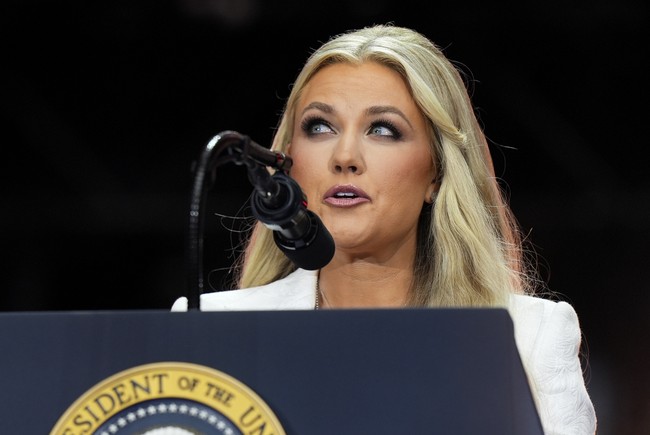
Erika Kirk, widow of Charlie Kirk, says Sinclair Broadcast Group reached out to offer an apology after Jimmy Kimmel’s harsh comments about her husband’s murder; she declined an apology and stood by a measured, firm response while local affiliates grappled with backlash and programming decisions.
Erika Kirk revealed that a Sinclair representative contacted her team to ask whether she wanted an apology from Jimmy Kimmel, or even an appearance on his show to “make it right.” She described the outreach as a message they received and relayed that her answer was straightforward: they acknowledged the note and chose not to make it their problem. Her response emphasized personal boundaries during grief and declined to let the media dictate the terms of consolation or performative apologies.
The context here is the string of comments Jimmy Kimmel made after the arrest of a suspect accused of killing Charlie Kirk, which stirred intense controversy across media circles. On September 15, Kimmel reacted to the arrest and publicly framed the narrative in a way many found inflammatory, asserting political motives and assigning blame in broad strokes. His remarks included: “We hit some new lows over the weekend with the MAGA gang desperately trying to characterize this kid who murdered Charlie Kirk as anything other than one of them and doing everything they can to score political points from it,” which became a focal point for critics.
Broadcast groups felt pressure to respond to viewers and advertisers after those remarks. Sinclair and Nexstar, among other station groups, chose to preempt “Jimmy Kimmel Live” on their ABC-affiliate stations for an unspecified period as they weighed public sentiment and community reaction. That move amplified conversations about responsibility in media commentary, station autonomy, and the limits of late-night satire when a real family is grieving publicly.
Erika told Fox’s Jesse Watters that Kimmel’s statements were not an apology and that his remarks had essentially misrepresented her husband’s death. When asked what she wanted to say to Kimmel, her reply echoed the line she gave to Sinclair: if someone genuinely feels sorrow, an apology is appropriate, but if they do not, she does not want an insincere gesture. Her posture was firm and surprisingly direct, insisting that grief is not something to be managed by broadcasters for their convenience.
The Fox segment that ran the clip prompted commentary from hosts who praised Erika’s composure and restraint. One host observed she could have pursued retribution but chose not to, noting that Kimmel might no longer deserve the platform he had. Another host pointed out that Kimmel’s remarks were not isolated, citing a follow-up monologue where he said, “Many in MAGAland are working very hard to capitalize on the murder of Charlie Kirk,” which further escalated the debate over media language and political framing.
The fallout included both defenders of Kimmel accusing stations of censorship and critics insisting broadcasters must answer to community standards and decency. Kimmel was briefly taken off the air for a week and then returned, a decision that reignited claims from some quarters about silencing and from others about corporate responsibility. The episode highlights the fragile line between commentary and compassion when coverage touches on violent, political, and deeply personal events.
Sinclair’s outreach to Erika, whether intended to smooth relations or manage optics, put her in a position many grieving families never face: to be asked to accept a corporate apology on behalf of a public figure. She made clear that such choices belong to the grieving, not to PR teams negotiating damage control. That stance resonated with those who saw her as protecting her late husband’s legacy rather than becoming a stage for televised remorse.
The controversy also sharpened conversations about how national networks and local stations coordinate responses to hot-button moments. Local affiliates must balance community standards, advertiser pressure, corporate directives, and audience expectations, often under intense public scrutiny. Decisions to preempt programming send signals about what broadcasters deem acceptable, and those signals now intersect with debates about free expression, accountability, and taste in modern media.
Erika’s reaction and refusal to accept a scripted apology underlined a broader theme: private grief should not be exploited for ratings or political leverage. Her remarks steered attention back to the family and the facts of the case rather than letting the rhetoric dominate the narrative. In doing so, she asserted control over a moment that had been pulled into national debate and reminded viewers that dignity matters more than spectacle.


Add comment