
Checklist: praise decisive maritime enforcement, list recent seizures and operation details, highlight legal and logistical steps, note Venezuelan political turmoil and its oil troubles, preserve official quoted statement and embed notices.
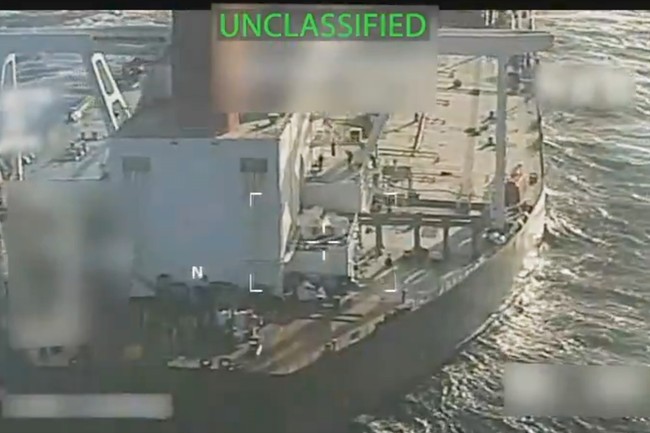
The U.S. Coast Guard has once again intercepted a sanctioned oil tanker tied to the so-called Ghost Fleet, demonstrating a coordinated, no-nonsense approach to enforcing American embargoes in the Caribbean. This time the Motor Tanker Veronica was boarded and seized, adding to a string of operations that have choked off illicit shipments and sent a clear signal to those who think they can game international sanctions. The action points to tightened cooperation across defense, law enforcement, and diplomatic channels, and to a willingness to use America’s maritime authorities to protect national and allied security interests. Public announcements accompanying the seizure framed it as a legal, decisive step in a broader campaign to stop sanctioned oil from fueling hostile regimes and illicit networks.
On-the-water interdictions like this one are complex and risky, but they also yield concrete results: seized vessels, custody of cargo, and deterrence against future violations. The Veronica will likely be processed under a seizure warrant and directed to a U.S. port to offload any contraband product, just as prior captures were handled. These operations require legal groundwork, clear rules of engagement, and fast, well-trained teams to board, secure, and transfer control of hostile or noncompliant ships. The overall aim is practical — remove the ability to export oil that props up bad actors and funds criminal networks.
This latest apprehension raises the confirmed tally of captured vessels tied to the Ghost Fleet to six, a track record that shows persistence pays off. The list of seized ships now includes the Century and the Skipper in December 2025, and the Bella 1, the M Sophia, the Olina, and the Veronica in January 2026. These actions fall under Operation Southern Spear, run by United States Southern Command with support from the Department of Defense and Justice, demonstrating a whole-of-government posture that treats maritime sanction enforcement as a national security priority. Repeating successes on the high seas is how law-abiding nations turn tactical wins into strategic pressure.
Operation Southern Spear itself began in earnest last November and has combined naval presence, specialized Coast Guard boarding teams, and legal authorities to neutralize vessels that try to move sanctioned Venezuelan oil. Seizures are not theater; they are the result of warrants, intelligence, and follow-through that brings contraband to safe harbor for evidentiary processing. The operation has also coincided with strikes against maritime drug-smuggling crews, reflecting a broader effort to disrupt revenue streams for transnational criminal organizations. These simultaneous pressures shrink the options available to bad actors and raise the cost of lawbreaking at sea.
Venezuela’s state oil company, Petróleos de Venezuela, S.A. (PDVSA), has been forced to cut back production because storage and export options are drying up under sustained enforcement. With fewer places to send crude, PDVSA faces real operational constraints that can translate into political pressure at home. Meanwhile, the political situation in Caracas remains unsettled: Delcy Rodríguez is listed as acting president after Nicolás Maduro’s ouster, while Edmundo González, the reported winner of the 2024 election, has not been installed. The lack of a clear, legitimate transition complicates diplomatic remedies and makes enforcement a necessary lever for influencing behavior.
Deterrence at sea depends not only on seizing ships but also on communicating resolve, and officials made that clear in their public remarks. The exact language used in a recent statement captured the message bluntly: “was operating in defiance of President Trump’s established quarantine of sanctioned vessels in the Caribbean. Through close coordination with our colleagues in the Departments of War, State, and Justice, our heroic Coast Guard men and women once again ensured a flawlessly executed operation, in accordance with international law. As we’ve now demonstrated through multiple boardings, there is no outrunning or escaping American justice — period. Our resolve is unshakeable and our mission coordination has never been better. America’s Coast Guard remains Always Ready to apply the full force of its unique authorities and specialized capabilities against this threat anywhere, anytime.”
That quoted passage underlines the Republican case for firm enforcement: credible coercion backed by law and force works. For policymakers and voters who favor security-first approaches, these operations show how targeted pressure can produce tangible outcomes without open conflict. They also highlight the importance of sustaining maritime capabilities, legal frameworks, and interagency cooperation to keep pressure on regimes that flout international norms.
Looking forward, similar interdictions and seizures are likely to continue as long as sanctioned actors try to move oil through covert shipping networks. The pattern is straightforward: surveillance identifies suspect tankers, boarding teams execute warrants, and seized cargo is processed to deny revenue to outlaw regimes. This steady application of pressure aims to make sanctioned shipping both riskier and less profitable, nudging regimes and middlemen toward compliance or collapse of their illicit business models.
Public messaging around these operations matters almost as much as the deeds themselves, because it shapes deterrence and diplomatic posture. Announcements celebrating successful boardings, naming operations, and citing interagency cooperation reinforce the impression that the United States will act decisively to enforce its sanctions. That message reaches multiple audiences — adversaries, partners, and domestic constituencies — and bolsters the strategic effect of every seizure.

Add comment