

Report: Situation Becomes Dire at Bush Airport in Houston Amid Democrats’ Refusal to Fund DHS
The article examines long security lines and recent medical emergencies at George Bush Intercontinental Airport in Houston, linking the disruption to Democratic opposition to Department of Homeland Security funding, the partial shutdown of TSA operations, and temporary ICE support filling gaps. It includes eyewitness reporting, a first-hand quoted account of passengers collapsing in line, and context about rising travel demand during college basketball events. The piece notes how ICE agents have stepped in to hand out water and assist travelers while local conditions vary by day, and it preserves embedded eyewitness material and media embeds reporting on the scene. Throughout, it frames the situation as an avoidable consequence of political stand-offs over DHS funding and highlights how travelers and staff are being put at risk.
Airports nationwide have seen long security lines as TSA staffing shortfalls worsen during the partial funding lapse, and Houston experienced an acute version of those delays this week. Travelers reported waits stretching into hours as stressed staff tried to keep pace, and some unpaid agents called in sick. The resulting congestion created health and safety concerns that went beyond inconvenience.
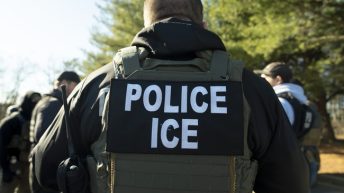
At George Bush Intercontinental, ICE personnel were observed handing out water bottles and helping passengers cope with the slow-moving queues, filling roles TSA could not. That stepped-in support eased immediate tensions for many travelers, yet it did not eliminate the delays or the strain on medical services when people began suffering symptoms while waiting. The presence of ICE was visible and practical but also politically charged given the national debate over DHS funding.
Witnesses described conditions where lines funneled into places not intended for long waits, including tunnels and passageways normally used for airport trams. Crowding in makeshift queue areas intensified heat and stress for those in line, and delays compounded as some passengers missed flights and had to return the next day. That created cycles of congestion that stretched staff resources and amplified frustration among travelers already on tight schedules.
Fox News national correspondent Brooke Taylor provided a direct, on-the-ground description of what she saw, reporting multiple medical events among those waiting in security lines. The article preserves her exact account:
I have now witnessed two medical emergencies today of people waiting in the long security lines. A 73-year-old man and a younger woman earlier. An ambulance just got to terminal E after a man passed out. He thought he was having a heart attack but medics believe it could be heat exhaustion. Wait time right now here is 120 minutes. Employees have been passing out water all day long.
Further eyewitness details expanded on the nature of the incidents, including how staff and bystanders intervened to help a man who collapsed. “He got out of line and sat in a chair because he wasn’t feeling well, and our photographer saw him pass out, caught his arm, and got him help.” Those interventions likely prevented worse outcomes, but they also exposed how vulnerable travelers are when waits climb into the multi-hour range.
Different airports have reported varying wait times this week, and local factors help explain why Houston’s lines were worse than at some other hubs. One driver was the schedule: missed flights that forced passengers to return and re-enter security, plus busy travel days tied to conference departures and NCAA Sweet 16 events. Those surges combined with understaffed checkpoints to create a perfect storm of overcrowding and long delays.
The broader backdrop is a partisan standoff over DHS funding that critics say has yielded predictable results: fewer officers assigned to screening, growing public frustration, and operational gaps that require unconventional responses. ICE stepping in to assist at checkpoints is being treated as a pragmatic fix, yet it is also evidence that routine security functions are being interrupted by budget fights. For travelers, the politics are secondary to the immediate experience of waiting and, in a few cases, facing medical distress while in line.
Airport employees and temporary helpers tried to mitigate the worst effects by distributing water and directing passengers, but those measures only go so far when lines are measured in hours. Medics responding to the scene dealt with suspected heat exhaustion and fainting incidents, and ambulances were called when people passed out. The strain on on-site medical response shows how operational disruptions can quickly escalate into public-health issues.
Meanwhile, media coverage and eyewitness reporting at the airport captured the messy reality: long queues moving through areas designed for short waits, announcements warning of delays, and visible relief efforts by non-TSA personnel. Officials noted that typical weekly patterns affect passenger volume and that certain days naturally bring more travelers, but extraordinary staffing shortfalls turned those peaks into crisis points. The situation at Houston is a reminder that operational continuity at airports depends on consistent funding and staffing.
As the political debate over DHS funding continues, travelers and frontline workers remain the ones facing immediate consequences. Staffing gaps are not abstract numbers when lines stretch for hours and people suffer medical incidents in public spaces. The Houston example highlights how policy fights can translate directly into operational failures that affect safety, health, and the travel experience.
Add comment