
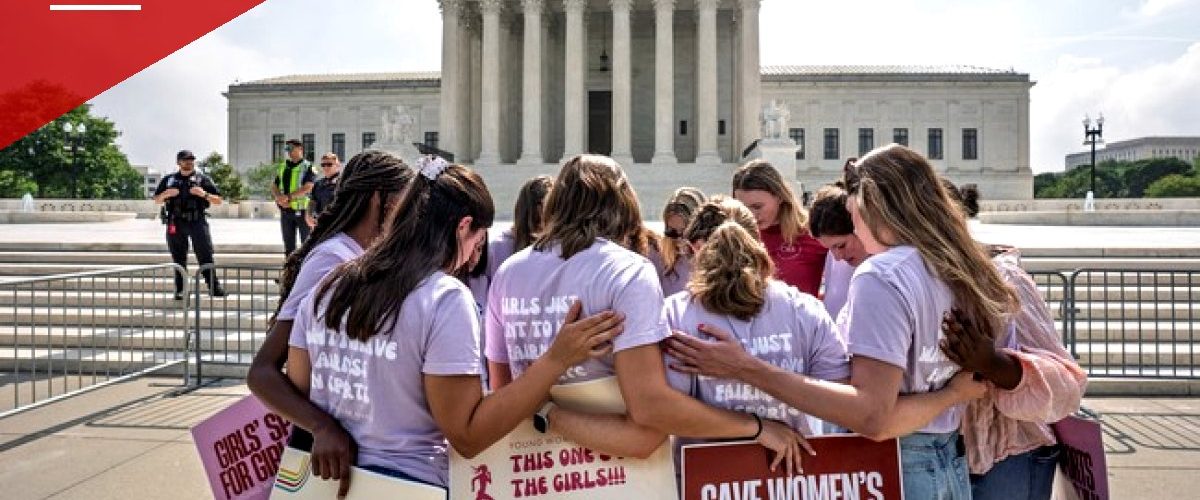
Voters in Colorado and Washington will decide ballot initiatives seeking to ban transgender athletes from girls’ and women’s sports, after lawmakers in both reliably Democratic states declined to pass such restrictions themselves.
Activists in both states gathered enough signatures to bypass their legislatures and put the question directly before the electorate, marking the first time the issue has gone to voters rather than being settled through legislation or court rulings.
Twenty states have already enacted bans on transgender athletes competing in female sports categories, typically through legislative action. Colorado and Washington’s initiatives represent a new strategy for advocates in states where elected officials have refused to act.
National polling on the broader question shows Americans oppose allowing transgender women and girls to compete in female sports by roughly a three-to-one margin, with support for restrictions estimated around 75 percent. Polling specific to the Colorado and Washington ballot measures is limited, but supporters point to the national numbers as reason for optimism.
Chris Melody Fields Figueredo, executive director of the Ballot Initiative Strategy Center, a group that supports LGBTQ+ rights, said the stakes extend beyond this election cycle.
“What is happening in 2026 is a testing ground for the future,” Fields Figueredo said.
The initiatives arrive as some national Democratic leaders have been reassessing their public positions on transgender issues in sports, amid shifting public opinion. Supporters of the Colorado and Washington measures say a win in either state could encourage similar ballot efforts elsewhere, particularly in states where legislatures have resisted passing bans despite public support for them.
Both measures will appear before voters this election cycle, giving residents of two of the country’s most Democratic-leaning states direct say over a policy question their elected representatives had declined to settle.



Add comment