
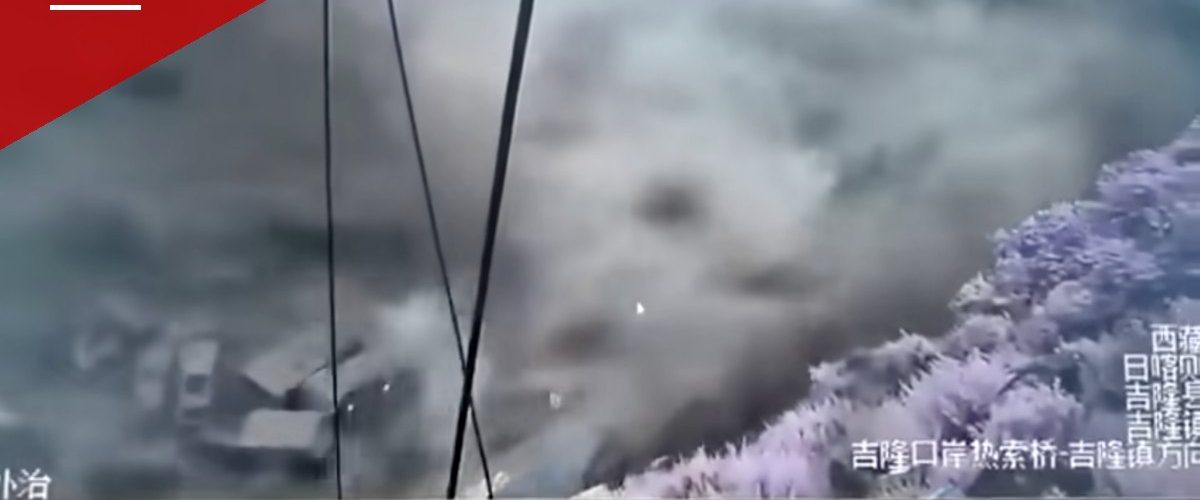
More than 1,114 people are dead and roughly 4,000 remain missing after a devastating glacier-triggered flood and mudslide swept through Nepal and parts of China on the morning of August 26. In the aftermath, CNN published a story suggesting the Trump administration’s funding decisions bore responsibility for the toll — a claim the network’s own reporting undercuts.
CNN climate reporter Andrew Freedman wrote that “in January 2025, the Trump administration cut off funding for a long-running natural hazards program that aimed to identify and monitor landslide hotspots in Nepal.” The program in question, Project SERVIR-Hindu Kush Himalaya, lost its funding as part of the administration’s broader freeze on foreign aid after Trump took office.
But further down in the same article, Freedman concedes the obvious problem with the framing: “While the program the administration cut would not have been able to prevent the disaster that happened this past week, it represented a first step towards making those kinds of protections possible in a future where they are going to be needed more.”
CNN later attached a clarification to its social media post on the story: “This headline and story have been updated to better reflect the extent of the Project SERVIR-Hindu Kush Himalaya program.”
The Program Couldn’t Have Warned Anyone
Freedman’s reporting goes further than simply noting the program wouldn’t have prevented the disaster. Birendra Bajracharya, cited in the piece, said the SERVIR program probably would not have been able to provide an early warning even if it had still been operating. Glacier breakup events, he explained, are rare enough that researchers haven’t developed reliable alarm systems for them. The program was instead aimed at identifying locations where such events might occur, information that could help downstream communities prepare over the longer term — not issue real-time warnings.
The article also reports that the tools and services developed under the program remain active today through another organization, the International Center for Integrated Mountain Development. A State Department spokesperson told CNN that “the US still supports flood mitigation programs in Nepal,” and the piece notes a separate US grant to the World Meteorological Organization continues to fund flood mitigation work in the country.
What the Story Actually Established
By its own account, CNN’s reporting shows the canceled program could not have prevented the flood, probably could not have warned anyone it was coming, and did not represent the end of American support for flood preparedness in Nepal. Despite laying out all three of those facts, the story still centered its headline and lede on a supposed link between the Trump administration and the disaster.
The flood itself was triggered by a glacier and rock landslide high in the Himalayas that unleashed fast-moving floodwaters into Nepal and China. Scientists have pointed to warming temperatures destabilizing glaciers in mountain regions as a factor raising the risk of such events, flash flooding, and glacial outburst floods more broadly. None of that, however, changes what CNN’s own sourcing shows about the specific program it singled out for blame.



Add comment