Canadian veterans who turned to their government’s veterans agency for help with PTSD, brain injuries, and disabilities say that in several cases, caseworkers raised medical assistance in dying, according to a Daily Mail investigation.
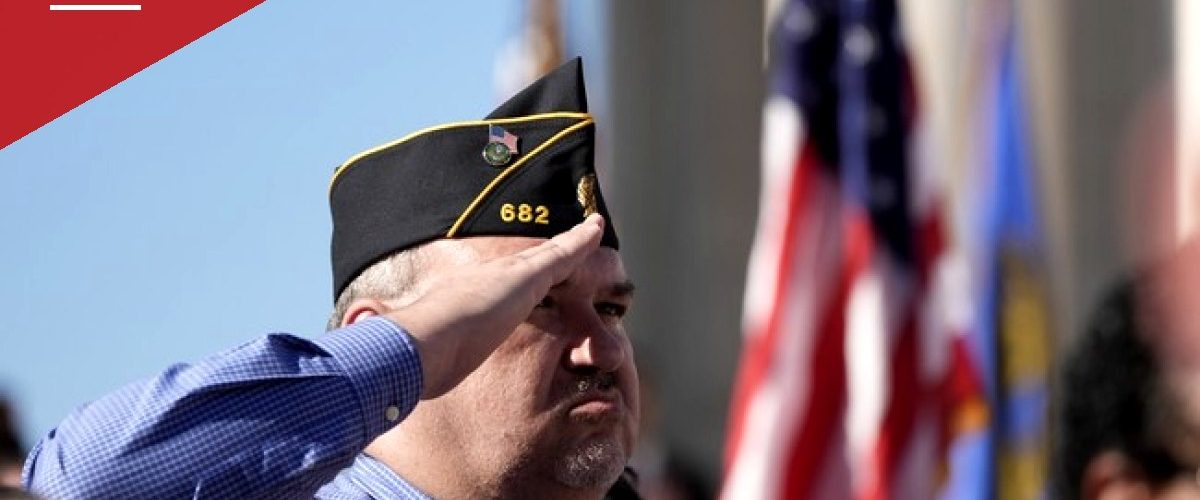
David Baltzer, who served two tours in Afghanistan and was being treated for PTSD and suicidal thoughts, says he called Veterans Affairs Canada (VAC) two days before Christmas in 2019, after his benefits were cut. A caseworker reviewed his file and responded with a question about assisted dying.
“He looked at my file and said, ‘I can see the therapy you’ve done. It doesn’t seem like much has helped. I’d like you to keep an open mind and think about this,'” Baltzer recalled. “‘Have you ever given any thought to medical assistance in dying?'”
“To me, [the suggestion of assisted suicide] was a confirmation of, ‘Oh, my life is worthless,'” he added.
Baltzer is not the only veteran making this claim. Christine Gauthier, a former Paralympian, says she spent five years petitioning VAC for a wheelchair lift while crawling up eight steps to enter her own home. When she told her caseworker she couldn’t take it anymore, she says he responded, “You know you have the right to die.”
“I said, ‘I can’t believe you’re telling me I have the right to die, but you’re not going to give me the equipment I need to live,'” Gauthier said.
“They either want you gone and dead, or quiet like a plant,” she added. “They don’t want you to disturb anyone, be conscious or be able to respond and fight back. Sometimes I wonder whether the system has been designed this way because so many people eventually give up.”
Corben McGown says the subject of medical assistance in dying, known as MAID, came up when he was 22 and being treated for PTSD after several suicide attempts.
“I was looking for help – not to die,” he said.
McGown is now suing. The Canadian government denies it ever discussed MAID with him. His attorney, Catherine Christensen, is pursuing a proposed class action and says the problem extends well beyond the handful of cases the government acknowledges.
“You’ve got physically healthy young men asking for help, and the help offered is death,” Christensen said.
VAC told the Mail its staff are instructed not to raise MAID “under any circumstances.” The agency says a review of more than 402,000 files turned up four cases, all tied to a single employee who no longer works there. Christensen disputes that this fully captures the scope of the issue, saying the practice is “a lot more prominent than Veterans Affairs would be willing to admit,” and that she represents a veteran who says he was offered MAID as recently as this spring.
A different approach in the U.S.
The U.S. Department of Veterans Affairs, under Secretary Doug Collins, describes suicide prevention as its “top clinical priority.” In September, the VA awarded $111.9 million in grants to 191 community organizations working to reach veterans before a crisis.
“Community organizations are critical to reaching Veterans who may not otherwise connect with VA care,” said VA Secretary Doug Collins. “VA’s Fox grant program often serves as a bridge between vital federal resources and vulnerable Veterans in need of help.”
The VA says the Veterans Crisis Line answered more than 1.3 million calls, chats and texts in fiscal year 2026 through Sept. 20, a 7.1 percent increase over the previous year. The agency’s RISK ID suicide-screening program, launched in 2018, has completed more than 5.5 million screenings through August. The VA also says it has enrolled more than 280,000 new veterans in care so far this year.
Veterans in crisis, or anyone concerned about one, can call 988 and press 1, or text 838255.

Add comment