
California Attorney General Rob Bonta is asking a court to impose steep financial penalties and speech restrictions on two pro-life organizations, Heartbeat International and RealOptions, over their communications about abortion pill reversal. The case, The People of the State of California v. Heartbeat International and RealOptions, seeks more than $20 million in fines and an injunction limiting what the groups can tell women about the procedure.
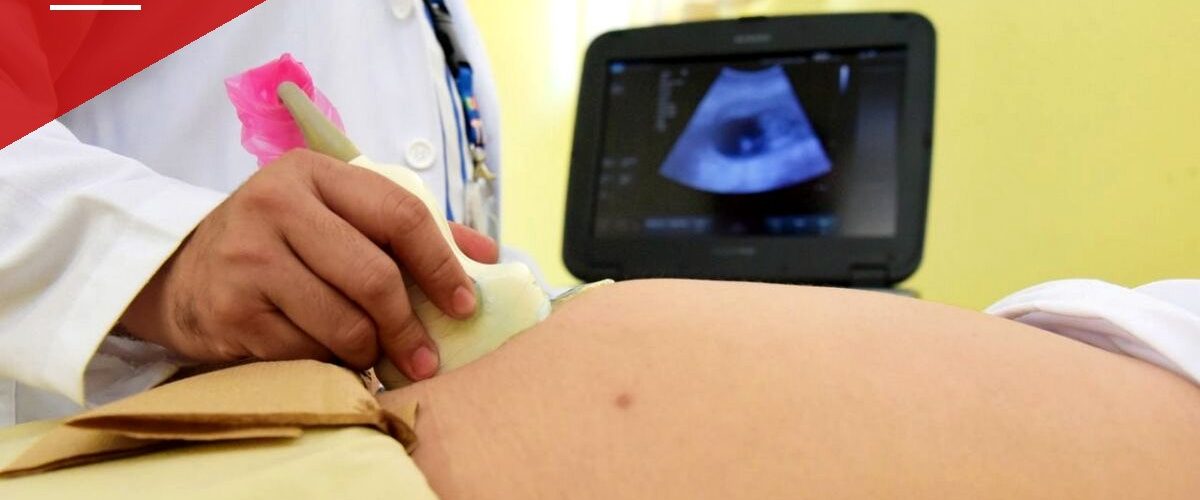
Abortion pill reversal involves a licensed medical professional prescribing progesterone to a woman after she has taken mifepristone, the first drug in a two-drug chemical abortion regimen, but before she takes misoprostol, the second drug. The goal is to counteract mifepristone’s effects, which block progesterone, a hormone needed to sustain a pregnancy, in an attempt to allow the pregnancy to continue. Progesterone itself has been used in obstetric care since the 1950s.
During trial, three women who used the reversal protocol testified about their experiences. Erika Carrillo said she took mifepristone after facing intense pressure to have an abortion, regretted the decision almost immediately, and found RealOptions online, receiving care the same day. Her son is now nearly 10 years old, and she has said she is “eternally grateful” for his life.
Uyen Pham testified that she also took mifepristone under pressure and quickly regretted it. Though she had been told the abortion could not be stopped once started, a friend located Heartbeat International’s Abortion Pill Rescue Network overnight, and Pham received care within 24 hours of taking mifepristone. Her son was born healthy.
Elizabeth Barrett testified that after taking the first abortion drug, her boyfriend told her he wanted to keep their baby. She found information about abortion pill reversal, and a nearby doctor returned her call within minutes. She delivered a healthy daughter in January 2024 and has since married her daughter’s father.
In its post-trial brief, the California attorney general’s office wrote: “That Defendants offered hope to these individuals underscores the seriousness of their misconduct,” a statement that appears on page 45 of the filing.
Heartbeat International and RealOptions maintain they never guarantee outcomes to women seeking reversal and instead connect them, free of charge, with licensed medical professionals after informed consent. The organizations argue the state’s case treats women as unable to make their own decisions once they express a change of heart, even as it seeks to punish the groups for responding to that change with medical referrals.
The case highlights a broader dispute over how far a state can go in regulating what pro-life organizations may tell women about their options once a chemical abortion has begun, and whether the presentation of an alternative amounts to protected speech or actionable misconduct.

Add comment