
I’ll recap the scene, explain why the presidential call mattered, highlight the reaction from the left and commentators, note Jack Hughes’ tooth loss and aftermath, and preserve the key quotes and embeds that show how the team and the country experienced the moment.
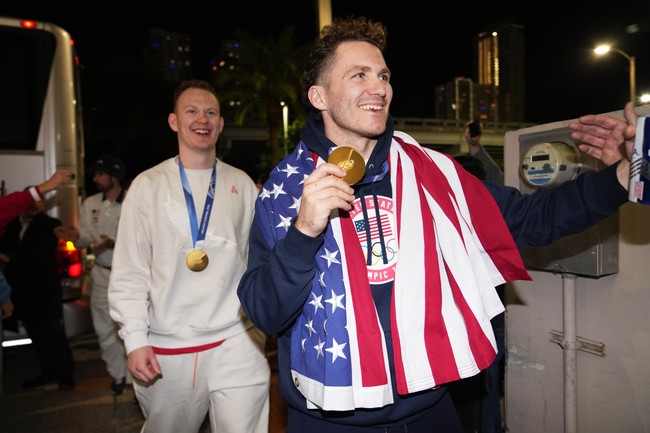
Team USA’s men’s hockey team clinched a 2-1 overtime win over Canada for Olympic gold, and Matthew Tkachuk was clear about one standout moment: a congratulatory phone call from President Trump. He told reporters at Miami International Airport that “It was super cool” and called it “an honor hearing from the President of the United States.” That reaction captured the straightforward pride many Americans felt after a hard-fought victory on the ice.
The president’s outreach came after the first American gold in men’s Olympic hockey since the Miracle on Ice, a milestone that naturally drew attention from the nation’s leaders. Some on the left reacted with predictable outrage, treating a simple congratulations as if it were a scandal. For conservatives, the call was a normal expression of support for athletes who represented the country at the highest level.
Critics made a fuss over the logistics and optics, including reports that FBI Director Kash Patel helped facilitate the call, but that did not dull the team’s excitement. Tkachuk summed up the sentiment plainly: “Hearing that he was supporting us and all the other athletes wanting us to bring home as many gold medals as we can.” He added, “We’re definitely honored to represent him and the hundreds of millions across the country and to bring a gold medal back.”
Barstool Sports founder Dave Portnoy fired back at the outrage machine with blunt language many conservatives appreciated. He called critics “psychopaths” for getting upset about athletes accepting a presidential congratulations, arguing that celebrating national success should not be controversial. Portnoy urged perspective, saying that if a president calls to congratulate a gold-medal team, getting angry about it is over the top and symptomatic of deeper resentment.
The cultural divide on this moment was on full display: one side saw a patriotic celebration, the other saw an opportunity to cast blame and complaint. That divide extends beyond hockey—it’s about whether Americans can take pride in their teams and their country without being castigated for it. For many voters, these reactions reinforce a sense that conservative-leaning displays of pride are routinely mocked or pathologized.
On the ice, the narrative was even more dramatic. Jack Hughes scored the game-winning goal early in overtime to secure the victory, but he also suffered a painful reminder of the sport’s roughness. Hughes lost two front teeth to a high stick from Canadian forward Sam Bennett in the third period, and in true athlete fashion he was already talking about getting his smile fixed.
“So, I was just feeling around my mouth and I was just disappointed that I lost my teeth. But it is what it is now,” Hughes said. “No, I’m gonna fix these things. I want my good smile back.” That mix of toughness and humor is exactly what fans love about elite competitors—sacrifice, grit, and a readiness to move forward.
The team’s celebration provided a series of images that will stay with sports fans and patriotic Americans alike, moments that feel larger than the game itself. Those snapshots—flags, hugs, and raw joy—are why so many people are moved by national teams succeeding on the world stage. The optics of pride make opponents uncomfortable, and that discomfort often fuels louder attacks than the moment deserves.
Instead of joining in the national high-five, some outlets leaned into criticism, framing simple patriotism as a provocation. That approach tends to alienate mainstream voters who see the country’s achievements as worth celebrating, not worth policing. For those who cheered on the rink and the call that followed, it was a pure expression of support from the Oval Office to the athletes who delivered on the ice.
Moments like this are the kind that bind communities and remind people why sports matter beyond statistics and standings. They offer a chance to be happy together, to feel proud of hard work, and to accept recognition from national leaders without it being politicized. For the players and the fans who shared in that gold-medal night, the conversation afterward revealed more about the critics than it did about the celebration itself.


Add comment