
The Senate shutdown fight led by Chuck Schumer has pushed the federal government into a tailspin, and the USDA now warns that SNAP payments could stop on November 1 because the contingency fund won’t be used to cover regular benefits. This piece explains who is responsible, what the USDA memo says, how it could affect millions, and why the political blame keeps landing on Democratic Senate leadership. It also includes the exact quoted passages from the reporting so readers see the agency’s language and reactions in full.
The political reality is blunt: Democrats controlled the decision to keep the government closed, and their demands have prolonged a shutdown that is already disrupting paychecks and services. Federal workers across key agencies have been furloughed or forced to work without pay while leadership negotiates. Now, regular benefit programs that many low-income Americans depend on are squarely in the line of fire.
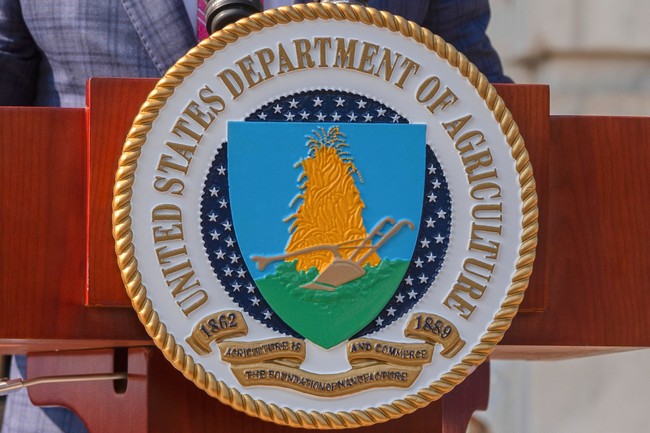
The USDA has made a firm administrative choice not to tap a roughly $6 billion contingency pool to continue normal SNAP payments should the shutdown persist into November. Officials say that contingency money is reserved for disasters and emergencies, not routine monthly benefits. That legal distinction matters because it legally restricts the agency’s flexibility while the political fight continues in Washington.
The practical consequence is stark: about 42 million Americans rely on SNAP for food assistance, and they could see payments halted starting November 1 if the shutdown remains unresolved. That number is not speculative; it is the count the administration and press have circulated as the immediate potential impact. For households already stretched thin, missing SNAP benefits even for a month can be catastrophic.
The US Department of Agriculture says it will not tap into its $6 billion contingency fund to cover food stamp benefits next month if the shutdown continues, according to an agency memo obtained by CNN. That means that roughly 42 million Americans will not receive critical food assistance from the Supplemental Nutrition Assistance Program, or SNAP, in November, unless the agency shifts its position.
However, when asked whether he would direct USDA to fund food stamps next month, President Donald Trump told reporters late Friday, “Yeah, everybody is going to be in good shape, yep.” The president did not provide specific details.
Trump’s comments appear to conflict with the agency’s memo, which stated that “contingency funds are not legally available to cover regular benefits.”
“SNAP contingency funds are only available to supplement regular monthly benefits when amounts have been appropriated for, but are insufficient to cover, benefits,” the memo says. “The contingency fund is not available to support FY 2026 regular benefits, because the appropriation for regular benefits no longer exists.”
That blockquote shows the tightrope the administration is walking: public reassurance from the president paired with an agency memo that lays out legal limits. Republicans can argue the law constrains what the USDA can do without fresh appropriations, while Democrats can frame any halt in benefits as moral failure. The political framing battle will be fierce, and each side plans its messaging accordingly.
Democrats in the Senate pushed a demand tied to Affordable Care Act subsidies that stalled an agreement, which critics say effectively shut the government down. That move raised the stakes by putting health coverage subsidies and food assistance on a collision course. The result is a political standoff that could force voters to choose whose needs matter more in the eyes of the negotiators.
Reports also say states that voluntarily cover SNAP benefits during a lapse would not necessarily be reimbursed if the federal government refuses to use contingency funds or provide appropriations afterward. That puts governors and state legislatures in a difficult spot: pay now out of state coffers or leave residents without assistance and risk a public crisis. Either path exposes political leaders at every level to voter anger.
Expect left-leaning groups and many in legacy media to put the spotlight on the president and the USDA, accusing them of cruelty or indifference. At the same time, Republicans will emphasize that Senate Democrats triggered the impasse by refusing compromise and demanding extra concessions tied to health policy. That simple narrative — Democrats caused the shutdown — is what conservative voices will repeat on every platform.
The big picture: Now in its 24th day, the shutdown threatens to take a real toll not just on federal workers who are going without paychecks, but also many of the nation’s neediest citizens.
The SNAP freeze could kick in as an increasing number of Americans are going hungry and relying on food banks as the economy cools.
Senate Democrats essentially shut down the government by demanding that the Republicans who control Congress extend Affordable Care Act subsidies. Without the subsidies, health care costs could soar for 22 million Americans on ACA plans.
Now the shutdown could pit the needs of those 22 million ACA enrollees against those of the 42 million who could go without food assistance starting Nov. 1.
That passage sums up the political arithmetic: competing constituencies and high stakes for millions of people. Republicans will push the argument that Democratic brinkmanship created these impossible choices. Voters will decide whether that message lands or whether the opposing narrative — that the administration could move money around but refuses to do so — gains more traction.
What they’re saying: The liberal group Center for American Progress released an analysis Thursday that argued Trump has a legal obligation to continue funding SNAP, and accused him of cruelty.
“From terminating funding used to purchase food for schools and food banks to passing the largest cuts in SNAP history, the administration has made it clear that its goal is to take food away from hungry families — and that sentiment is extending to the USDA’s approach to the shutdown,” it wrote.
Friction point: The group said Trump should move money around the budget to pay for SNAP just as he did with WIC, but the USDA OMB said more transfers to WIC will be needed.
“This administration will not allow Democrats to jeopardize funding for school meals and infant formula in order to prolong their shutdown,” the USDA memo said.
That debate will play out across cable shows and social feeds as November approaches. Political operatives on both sides know voters will be watching who acts to prevent people from going hungry. For Republicans, the immediate task is to keep the focus on Democratic responsibility for the shutdown and to press for a quick resolution that restores benefits and paychecks. The stakes are very real and politically painful for anyone who misreads public sympathy.


Add comment