
A federal judge has blocked grand jury subpoenas tied to a Justice Department probe into Federal Reserve Chair Jerome Powell, calling the subpoenas improper and suggesting the investigation lacked evidence; that ruling has sparked a sharp response from the U.S. Attorney in D.C., Republican senators, and questions about whether the DOJ will appeal as the nomination process for a potential Fed replacement unfolds. The legal fight centers on renovation spending records and whether the subpoenas were meant to pressure Powell on policy, while political fallout already threatens confirmations and raises concerns about judicial activism and prosecutorial overreach.
The Justice Department opened an inquiry into Federal Reserve spending tied to office renovations, and a grand jury subpoenaed related records as part of that inquiry. The subpoenas targeted documents tied to the renovations, which the DOJ said were relevant to its review. What followed was a rare judicial move: a federal judge quashed the subpoenas outright.
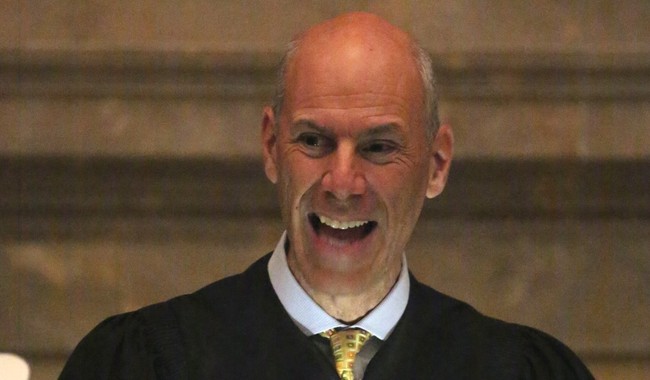
Judge James Boasberg wrote in his order, “A mountain of evidence suggests that the Government served these subpoenas on the Board to pressure its Chair into voting for lower interest rates or resigning.” He added, “On the other side of the scale, the Government has produced essentially zero evidence to suspect Chair Powell of a crime; indeed, its justifications are so thin and unsubstantiated that the Court can only conclude that they are pretextual.” The judge concluded, “The Court therefore finds that the subpoenas were issued for an improper purpose and will quash them.”
The decision to quash grand jury subpoenas is unusual and has drawn strong criticism from the D.C. U.S. Attorney. Jeanine Pirro publicly argued that the ruling effectively allows a subject to be treated as beyond reproach, saying, “No one is above the law, but for the first time a judge’s ruling that a grand jury subpoena — on its face legal in all regards — can be ignored, because the judge thinks the subject is beyond reproach. This is a decision that is untethered to the law.” Her remarks make clear the U.S. Attorney views the order as an improper intrusion on prosecutorial authority.
The Federal Rules of Criminal Procedure, Rule 17, provides that subpoenas may require production of books, papers, documents, data, or other objects and allows courts to quash or modify subpoenas if compliance would be unreasonable or oppressive. The rules do permit judicial oversight, but critics say courts should be cautious about overruling grand jury processes unless clear reasons exist. In this case the judge found the government’s rationale insufficient and viewed the subpoenas as politically motivated rather than grounded in evidence of wrongdoing.
Observers on the right see this as another example of activist judiciary behavior interfering with accountability efforts and with the executive branch’s duty to pursue suspected misconduct. The subpoenas sought spending records related to renovations; critics argue that records requests like these are routine and hardly burdensome, and quashing them feeds a narrative that courts can shield powerful officials from scrutiny. That perception fuels distrust when investigations touch on policy makers whose decisions shape the economy.
The ruling has political consequences beyond courtroom debate. Republican Senator Thom Tillis has already signaled he may stall confirmation paperwork for the White House’s Fed nominee, Kevin Warsh, until concerns tied to the inquiry are resolved. That kind of leverage underscores how legal disputes can spill into confirmation fights and shape the federal bench and national economic policy for years to come.
Supporters of Boasberg’s decision counter that judges must prevent prosecutions or investigative tactics that cross constitutional lines or serve improper purposes. They emphasize that a judge’s role is to protect institutions from coercion that would chill independent decision-making, especially at a body like the Federal Reserve that must act free of political pressure. Yet the sharp pushback from the U.S. Attorney’s office shows the decision will not go uncontested.
For its part, the Justice Department has not publicly confirmed whether it will appeal the ruling, and legal experts expect an appeal would raise complicated questions about separation of powers, grand jury independence, and the scope of judicial review over investigative subpoenas. If appealed, the case could become a test of how far courts can intervene in prosecutorial activity when allegations of improper motive are raised.
The dispute highlights two competing concerns: aggressively pursuing potential misconduct in government and ensuring investigations remain free from political targeting. Both matters deserve attention, but the bitter aftermath — public denunciations and stalled nominations — shows how easily legal fights spill into politics. For now, the subpoenas remain quashed and the next moves from the DOJ, Powell’s defenders, and Senate Republicans will determine whether this controversy ends in the courthouse or at the ballot box.
The post continues:
“We all know how this is going to end and the D.C. U.S. Attorney’s Office should save itself further embarrassment and move on. Appealing the ruling will only delay the confirmation of Kevin Warsh as the next Fed Chair.”
Tillis has threatened to hold up (the) Warsh nomination until (the) Powell matter is resolved.
Of course, he has.
As of this writing, there has been no indication as to whether the ruling will be appealed. Stay tuned, because it’s a safe bet this isn’t over. Not by a long shot.
Editor’s Note: Radical leftist judges are doing everything they can to hamstring President Trump’s agenda to make America great again.



Add comment