
I’ll outline what happened, explain the stakes, note responses from leaders, examine the ceasefire talks now at risk, and look at likely next steps — focusing on how this impacts American and allied interests in the region.
Iran launched missiles at Israel on Sunday, marking the first such bombardment since the fragile ceasefire that began in April. Israeli officials called it a major escalation that could unravel ongoing negotiations and pull the region back toward a wider conflict. Reports said the first wave included four missiles, followed by a second wave that Israeli forces assessed and intercepted. No immediate Israeli casualties were reported and officials described heightened readiness across the country.
Hours earlier, Hezbollah had struck an Israeli post in northern Israel with a drone, and Israel responded with airstrikes on Beirut’s southern suburbs. Lebanese authorities reported civilian casualties from those strikes, which Washington had urged Israel to avoid. Iran warned it would retaliate if Israel hit targets in Lebanon, and Tehran’s national security spokesman said a decisive response would follow, setting the scene for Sunday’s missile launches.
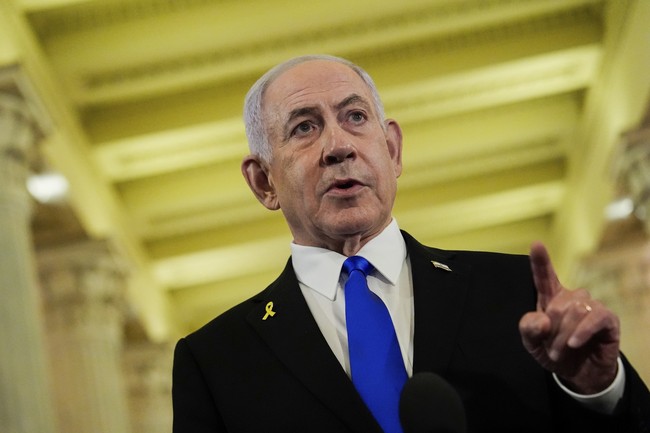
President Donald Trump was quoted as saying “I’m calling Netanyahu right now and telling him not to attack Iran in response.” That line matters because it shows American leadership trying to prevent a spiral, while also signaling a desire to avoid premature escalation. From a conservative perspective, caution is wise, but deterrence must remain credible so adversaries know there are limits to what will be tolerated. Israel’s military spokespeople emphasized they were prepared for both defensive and offensive scenarios as the situation unfolded.
Israel reported that sirens sounded across northern communities as air defenses engaged the incoming missiles. Schools were canceled nationwide and the Home Front Command urged citizens to use bomb shelters where available. Military officials said the IDF had already been assessing possible responses and had reinforced defensive measures. The public was told to remain vigilant as diplomatic channels worked to contain the fallout.
Diplomacy had been inching forward before Sunday. American and Iranian negotiators had reportedly reached a tentative memorandum to extend the ceasefire for 60 days and open permanent talks that would address issues from sanctions to nuclear limits and maritime security. That framework was contingent on final approvals and had not been signed, leaving fragile progress vulnerable to sudden shocks like this attack. A single exchange can derail months of quiet diplomacy when key questions remain unsettled.
The question at the heart of talks was, and remains, what role Hezbollah and Lebanon will play in any long-term arrangement. That point has been left unresolved for months, and Sunday’s events show the price of delay. When armed proxies operate across borders with impunity, temporary pauses can collapse rapidly into renewed fighting. Republicans argue that until Iran and its proxies are deterred effectively, ceasefires will keep being tested and peace plans will fail.
Iran’s military statement accused Israel of crossing red lines and warned of more forceful blows if attacks continue. That rhetoric is predictable but dangerous; it aims to deter Israel while rallying regional support. For U.S. policymakers and American troops in the region, the immediate task is to balance de-escalation with strengthening defenses and clarifying consequences for further Iranian aggression. Weakness or mixed signals would only encourage more adventurism from Tehran.
Back-home politics will be affected too. The reported memorandum and its pending approval placed the White House in a delicate spot between ending hostilities and securing a durable settlement. Trump’s willingness to meet Iran’s new supreme leader if a deal materializes was mentioned, alongside comments calling for more “surgical” action against Hezbollah. Conservative voters will watch closely to see whether leadership translates into real deterrence and clear red lines.
Sunday’s exchange did not produce American casualties, but it raised the immediate risk that a retaliatory Israeli strike will escalate the fighting. If Israel responds with force, the ceasefire extension and the broader negotiating framework could collapse. Republicans will press for a strategy that protects allies, punishes Iranian aggression, and prevents the conflict from spreading while ensuring any diplomatic deal preserves U.S. security interests.
Editor’s Note: The 2026 Midterms will determine the fate of President Trump’s America First agenda. Republicans must maintain control of both chambers of Congress.
Help RedState continue to report on the Democrats’ radicalism and inform voters as our nation faces a crossroads. Join RedState VIP and use promo code FIGHT to receive 60% off your membership.


Add comment