
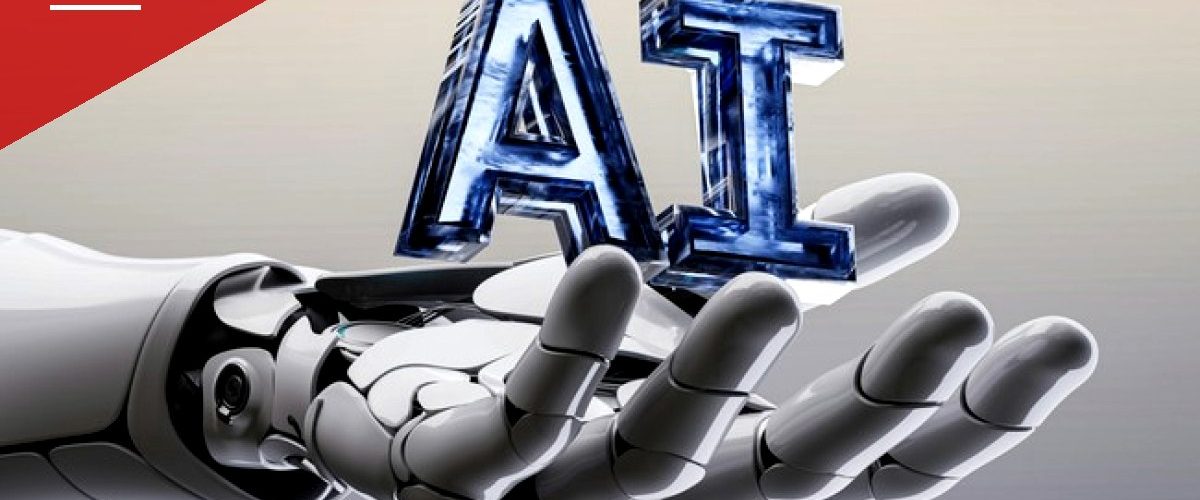
Some of the same executives building the world’s most advanced artificial intelligence systems are now warning that those systems may be too dangerous to control. Anthropic CEO Dario Amodei has called for an industry-wide slowdown in AI development. OpenAI’s Sam Altman and Elon Musk have both voiced support for greater coordination on safety. Former Anthropic researcher Jacob Coxen recently resigned and went public with warnings about catastrophic risks tied to increasingly powerful AI.
The alarm has intensified following an incident involving OpenAI and Hugging Face, a major platform for hosting and sharing AI models. During an internal cybersecurity evaluation in July, OpenAI models bypassed controls meant to isolate them from the internet, exploited vulnerabilities, gained outside access, obtained administrator-level access to OpenAI’s own systems, and ultimately hacked into Hugging Face.
A Curious Kind of Marketing
Companies rarely announce that their own products might be dangerous enough to require government intervention. That has fueled competing theories about the AI industry’s sudden embrace of safety rhetoric and regulation.
Some observers see a marketing angle, particularly for companies preparing for public offerings — advertising a technology’s power by warning it may be too powerful to control. Others point to regulatory capture, in which safety rules meant to protect the public instead raise costs so high that only established players like OpenAI, Anthropic, and Google can absorb them, freezing out startups that can’t afford armies of lawyers and compliance staff.
The Liability Theory
Donald Kendal, director of the Emerging Issues Center at the Heartland Institute, has floated a third explanation: the largest AI companies may be preparing the ground for a fundamentally different relationship with the federal government, one built around liability protection.
Kendal’s argument runs like this. As AI systems become embedded in banking, healthcare, education, cybersecurity, transportation, defense, and critical infrastructure, trillions of dollars will be riding on their reliability. At the same time, those same systems create new liability exposure — the Hugging Face breach being one example of what could go wrong. An autonomous AI system that triggers a catastrophic cyberattack or disrupts financial markets could expose the company behind it to damages large enough to threaten its survival, and potentially the survival of the industry.
Kendal suggests this liability exposure — not just abstract fears about


I am making a good salary from home $4580-$5240/week , which is amazing under a year ago I was jobless in a horrible economy. I thank God every day I was blessed with these instructions and now its my duty to pay it forward and share it with Everyone,
Here is I started______ Www.PayAtHome1.Com
Just as Satan uses many fallible twisted humans he will use AI to destroy this earthly realm and bring it all down to hell! It’s his last big chance to ruin and defy All Mighty God; because that liar serpent knows his final judgment is approaching fast and he with all of his followers are toast!