
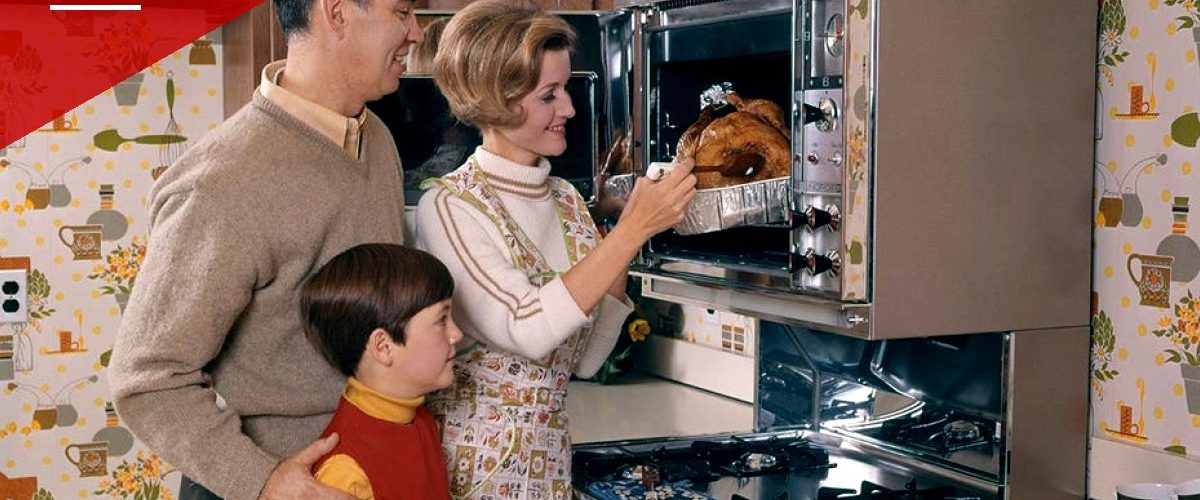
Before green bean casserole and mac and cheese took over the Thanksgiving table, American home cooks built their holiday menus around dishes that have since all but vanished — creamed onions, oyster stuffing, mincemeat pie and even a hot soda drink meant to be sipped by the fire.
“Older Thanksgiving menus often included dishes such as creamed onions, oyster stuffing and mincemeat pie,” said Dennis Littley, a New Jersey-based chef and founder of Ask Chef Dennis. “Some have become less common as tastes and holiday menus have changed, though people still bring them back when they want to revive a family recipe.”
Creamed Pearl Onions
Creamed pearl onions trace back to cookbooks as far as 1896 and were a regular feature on Thanksgiving tables by the 1920s. The dish combines tender onions with a buttery white sauce resembling French béchamel, and the arrival of frozen pearl onions later made the recipe far easier to pull off. Chef Thomas Keller has said his mother’s creamed onions are a Thanksgiving dish he “can’t live without,” and families still pass the recipe down today.
Oyster Dressing
Oyster dressing — shucked oysters and their brine mixed into a classic bread, celery and spice stuffing — was a Thanksgiving staple in the 1800s, when refrigerated railcars kept oysters widely available. Rooted in British cooking traditions, the dish eventually fell out of fashion in the Northeast as oyster populations declined and cooks shifted toward sausage-based stuffings.
Mincemeat Pie
Before pumpkin and apple pie became the dessert standard, mincemeat pie held that spot. Its original filling blended dried fruit, spices and citrus with meat — typically beef or mutton — and suet, the rendered fat of the animal. Over the decades the meat disappeared from most recipes, leaving behind a richly spiced fruit filling, though the pie kept its old name as a nod to its history.
Savory Aspic
Long before Jell-O became a pantry staple, cooks made savory aspics by simmering bones, skin and feet until the collagen-rich broth set on its own. Once an elaborate centerpiece of upscale French cooking, aspic became far more practical with the arrival of commercial gelatin and home refrigeration, and by the mid-20th century savory molds packed with meat, seafood, vegetables or hard-boiled eggs were a fashionable sight at holiday gatherings. The dish has seen a modern resurgence as cooks chase nostalgia and chefs reinterpret it as edible art.
Molded Cranberry Salad
Mayonnaise brand Hellmann’s pushed this chilled gelatin dish in a 1958 advertisement. “Cranberry Souffle Salad” combined cranberry sauce, gelatin, mayonnaise, fruit and nuts, whipped until fluffy and served atop lettuce. A follow-up 1960 Hellmann’s ad went further, featuring cranberry “candles” made from a similar mixture, molded in juice cans and topped with lit birthday candles.
Hot Dr Pepper
In the 1950s and 1960s, Dr Pepper marketed a hot version of its soda as a way to boost sales during slow winter months. The recipe called for heating the soda to roughly 180 degrees Fahrenheit and pouring it over a slice of lemon. According to the Dr Pepper Museum, the idea originated in September 1958 when company president Wesby R. Parker visited a bottling plant during a blizzard and a salesman joked that they needed a hot drink to sell in the cold. Some later versions added rum for a more festive twist.


Add comment