
California voters have made permanent a tax surcharge on the state’s highest earners that was originally sold to them as temporary relief for schools during the Great Recession.
Proposition 3 passed Tuesday with 58.7% in favor (4.4 million votes) to 41.3% opposed (3.1 million), according to Associated Press figures released early Wednesday. The constitutional amendment does not create a new tax, but it prevents an existing one from expiring.
It locks in income tax rates of 10.3% to 12.3% on individual income above roughly $371,000, a threshold adjusted annually for inflation. Those rates have applied since 2012, but were set to sunset after 2030. Taxpayers earning less than the threshold are unaffected.
Combined with a separate 1% surcharge on income over $1 million that funds mental health services, California’s highest earners now face a 13.3% state income tax rate — the highest in the country, with no end date.
A Tax Sold as Temporary, Twice
This is the third time California voters have been asked to weigh in on this tax. It began in 2012 as Proposition 30, pitched by then-Gov. Jerry Brown as a stopgap to help schools recover from the recession. Voters extended it in 2016 through Proposition 55. Prop. 3 removes the expiration date entirely.
The revenue is substantial: the state’s nonpartisan Legislative Analyst’s Office estimates it brings in between $5 billion and $15 billion a year. Under the measure, 89% of that money goes to K-12 schools and 11% to community colleges, with surplus funds directed to health care in some years. In strong revenue years, the tax accounts for roughly 15% of the state’s entire K-12 budget — meaning a significant share of California’s public school funding now depends permanently on a tax bracket that didn’t exist for most of the state’s history.
Who Pushed It, Who Fought It
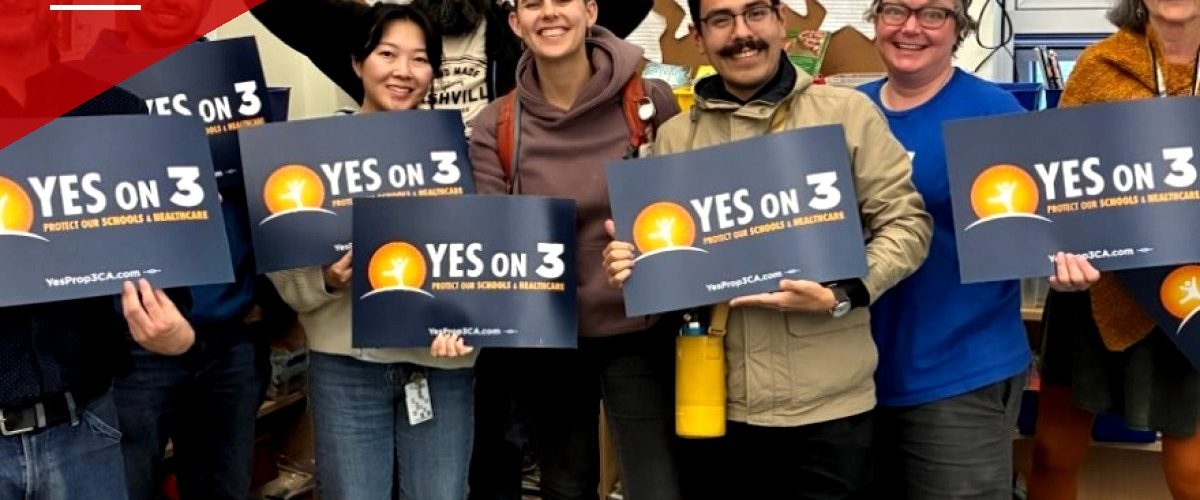
The California Teachers Association placed Proposition 3 on the ballot and spent approximately $30 million campaigning for it, joined by the California State PTA, the California School Nurses Organization, the California School Employees Association, the California Medical Association and the California Democratic Party. Supporters argued that letting the tax lapse would trigger school layoffs and program cuts, especially amid federal funding reductions. The CTA framed the vote as a choice between continued school funding or, in its words,



Add comment