
Texas Agriculture Commissioner Sid Miller announced Wednesday that businesses employing H-1B visa holders will no longer qualify for certain taxpayer-funded grants administered by the Texas Department of Agriculture.
The move, laid out in an official department announcement, is meant to ensure that public money distributed to private employers prioritizes Texas workers over foreign labor brought in through the visa program.
“Texas taxpayers work hard for their money. They deserve to know that their tax dollars are being used to create opportunities for Texans—not to subsidize businesses that choose foreign labor while Texans are ready and willing to work,” Miller said.
“If a company wants taxpayer support, it should demonstrate a commitment to the people paying the bill. Texas workers should come first. Period.”
The policy does not touch the legal right of businesses to hire H-1B workers under federal law. It only affects their eligibility for state agricultural grants.
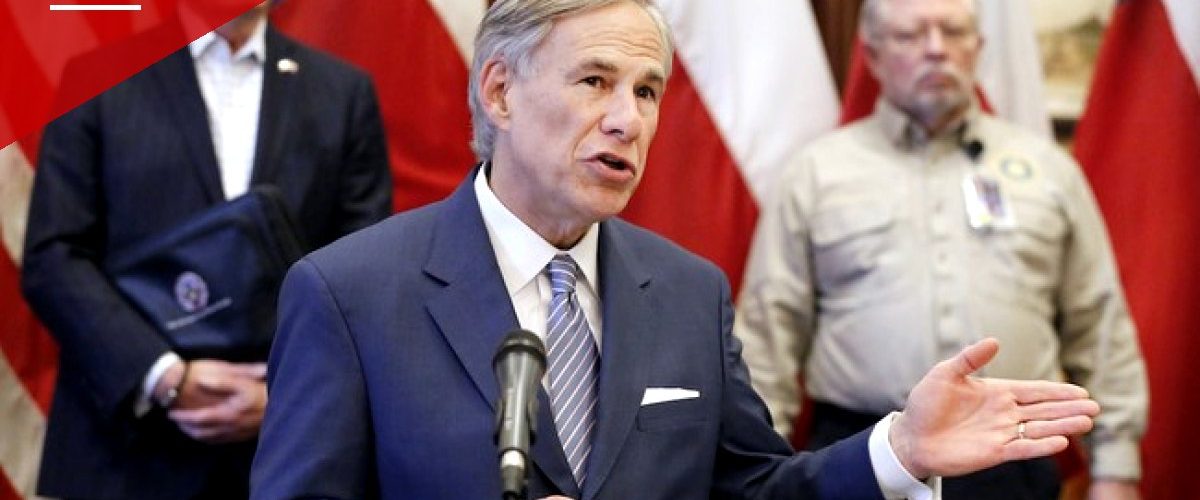
Miller directed his challenge squarely at Gov. Greg Abbott, who has spoken critically of the H-1B program for months.
“Governor Abbott has publicly declared that taxpayer-funded employment should prioritize Texans. I agree—and now it’s time to turn that principle into action. Texans deserve more than tough talk,” Miller said.
Miller called on Abbott and other statewide officials to review their own grant programs and cut off taxpayer dollars to businesses that employ H-1B workers.
Abbott’s Record So Far
Abbott’s actions on the issue have been narrower than his rhetoric. In January, he ordered a freeze on new H-1B petitions by state agencies and public universities, a restriction set to run through May 31, 2027, though institutions can request written permission from the Texas Workforce Commission to proceed anyway. He also directed agencies to report data on existing H-1B employees and their recruitment practices.
Those steps apply only to state government employers and universities—not to the broader Texas labor market, where many residents have pushed for tighter limits.
Other Visa Routes Remain Open
Miller’s new grant rule does not close off other legal pathways for hiring foreign workers. Employers can still use L-1 intracompany transfer visas and other temporary-worker categories that fall outside the H-1B program’s reach.
Separately, federal data shows legal immigration through employment-based visas has already been falling sharply under the Trump administration. A Cato Institute analysis found that H-1B visas, combined with H-4 visas issued to qualifying family members, dropped 78% between February 2024 and February 2026.
Miller’s grant policy affects a single state department’s funding stream, not the state’s entire labor market. But it puts fresh pressure on Abbott and other Texas officials to decide whether they will extend similar restrictions to the grant programs under their own control.


Add comment