
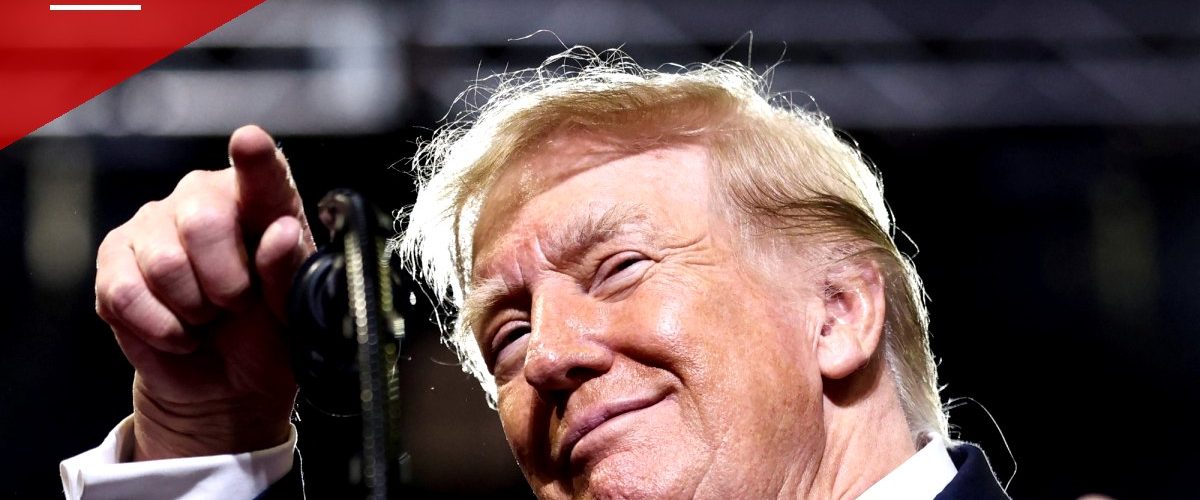
President Trump announced Sunday on Truth Social that Russia and Ukraine had agreed to an immediate “ENERGY CEASEFIRE,” but the claim fell apart almost as soon as it was made. Ukrainian President Volodymyr Zelensky said the cease-fire was “news to me,” and Russia responded not with confirmation but with fresh strikes on Ukrainian energy facilities.
The gap between Trump’s announcement and events on the ground appears to stem from a narrower Russian offer: Moscow reportedly indicated it would accept a ban on strikes against oil refineries specifically. That arrangement would protect Russian infrastructure while leaving Putin free to keep bombing Ukraine’s broader energy grid heading into winter, a campaign aimed at leaving civilians without heat and power.
Zelensky has said he would accept a full energy cease-fire covering all facilities on both sides, provided Russia agrees to the same terms. Ukraine’s own strikes on Russian refineries have been aimed at Moscow’s oil revenue and at giving Russian civilians some sense of the hardship Russia has inflicted on Ukraine.
Trump’s push for a deal is tied to two goals: ending the war and lowering energy costs for American voters. That second goal may help explain a separate decision by the administration to buy diesel from Russia, even though the revenue from that purchase could help fund Moscow’s war effort if it doesn’t lead to a genuine cease-fire.
Europe has its own exposure to Russian energy money. According to Energy Live News, European countries paid Russia roughly $9 billion for gas over the past year — more than twice the value of the diesel purchases envisioned under the new US arrangement.
Sanctions authority exists for a tougher approach. The sanctions law sponsored by Sen. Lindsey Graham allows for tariffs that could be used as leverage against Moscow if incentives alone fail to produce a real cease-fire.
Trump has at times directed criticism at Zelensky over the course of negotiations, even though it is Putin who has repeatedly failed to follow through on stated commitments. Pressuring Russia into an actual stop to hostilities has so far required more than offers — it has required consequences.


Add comment