
I’ll lay out a sharp, punchy take: Tim Walz compared recent unrest to Fort Sumter and suggested federal forces were assaulting citizens, President Trump answered with a cutting retort, and the debate now centers on law and order, ICE cooperation, and the risk of rhetoric that inches toward insurrection. Below I walk through the remarks, the reactions, and why this matters for enforcement and public safety.
The Minnesota governor’s comments landed like a political grenade, suggesting a Civil War parallel that most sane observers would call out as extreme. He asked, “I mean, is this a Fort Sumter?” in an interview, a historical comparison that elevates routine public-safety disputes into existential national crisis language. That kind of phrasing ratchets up tensions and invites a national response aimed at restoring order and clarity.
Minnesota Governor Tim Walz worries that the violence in his state could produce a national rupture. “I mean, is this a Fort Sumter?” he mused today in an interview in his office at the state capitol. The island fortification near Charleston, South Carolina, is where Confederate forces fired the first shots of the Civil War in 1861. Now it’s federal forces that are risking a breach. “It’s a physical assault,” Walz told me. “It’s an armed force that’s assaulting, that’s killing my constituents, my citizens.”
He let his question about Fort Sumter hang without an answer.
That quote should alarm anyone who prefers measured political debate. Comparing ICE operations or federal law enforcement actions to Civil War-era bloodshed is not only historically sloppy, it’s politically dangerous. Words have consequences, and elected officials have a duty to de-escalate, not to amplify imagery that could be used to justify violence.
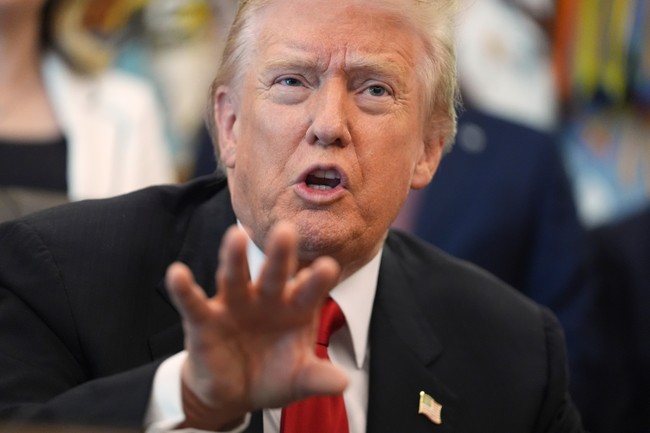
President Trump was asked about Walz’s remarks and delivered a succinct, mocking rebuttal that landed cleanly and made the point about law and order. “Wow. Does he know what Fort Sumter was? Or do you think somebody wrote it out for him?” Trump asked, underscoring belief in strong enforcement and accountability. That response framed the issue as one of competence and the proper role of government in preserving public safety.
It’s fair to say the White House reaction was theatrical and pointed, which is exactly the point in partisan fights over public safety and immigration enforcement. The administration’s stance is straightforward: enforce the law, protect communities, and call out elected officials who heighten the rhetoric instead of cooperating. From a Republican viewpoint, standing tough on enforcement is both practical and necessary.
Walz won’t be on the ballot in November’s election, but he thinks the contest is at the heart of the administration’s tactics. The Justice Department’s demand for Minnesota’s voter rolls, he said, was the giveaway. The president’s party, he predicted, will be “wiped out” in a free and fair vote—assuming there is one.
“But I hear Americans on this,” he added. What they say is, “‘What makes you think we can get to November?’”
Those additional words from Walz inject a conspiracy tone into the conversation that feeds distrust instead of resolving it. Suggesting the integrity of upcoming elections is in doubt without clear evidence is reckless, and it distracts from the core issue of public safety. When public officials talk up doomsday scenarios, they risk normalizing extreme responses among their supporters.
On the ground, the real concern is practical: coordination between state authorities and federal agencies like ICE must not collapse because of political theater. If governors refuse to cooperate or cast law enforcement as the enemy, the consequences are tangible—more violence, less accountability, and fewer protections for ordinary citizens. Republicans argue that restoring clear chains of cooperation and respect for the rule of law is essential to avert further chaos.
It’s reasonable to demand answers from Minnesota leadership about how they plan to restore order while respecting civil rights. The rhetoric should reflect a commitment to de-escalation and accountability, not metaphors that imply an impending civil clash. Lawmakers and executives owe the public sober explanations and concrete plans, not historical allusions that stoke fear.
Political leaders who talk about “assaults” and “armed forces” in domestic contexts need to be held to a high standard of clarity and responsibility. If words are going to be weaponized, the public has a right to know the evidence and the proposed remedies. For now, the administration’s message is that protecting citizens and enforcing laws will remain the priority.
Republican critics contend that the tone from some state leaders has crossed a line from advocacy into provocation, and that calls for full cooperation with federal law enforcement are justified. The nation benefits when public servants choose to calm tensions and focus on practical solutions for safety and legal enforcement. Anything less threatens to turn a local public-safety issue into a national crisis of confidence.
With tensions high, the next steps will be watched closely by both parties and by communities directly affected by unrest. The conversation now centers on whether state leaders will step back from incendiary framing and join federal counterparts in stabilizing volatile situations. That kind of cooperation is essential if the goal is to keep citizens safe and institutions intact.

Add comment