
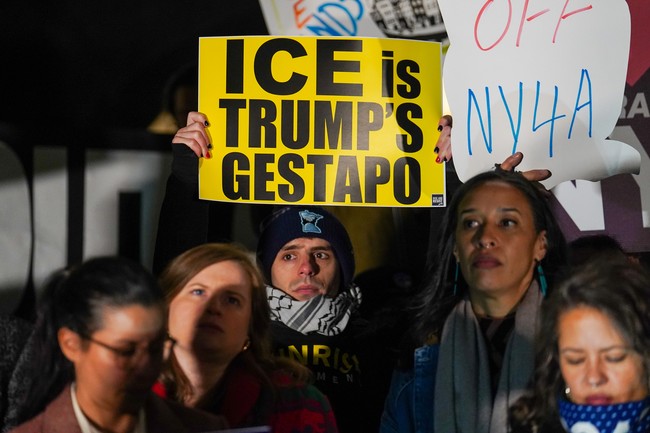
This article examines an undercover video that shows an ally of Nebraska U.S. Senate candidate Dan Osborn admitting to revealing identifying information about an ICE agent, the legal implications of doxxing federal officers, and the political context driving these attacks on law enforcement. It explains why doxxing crosses a legal line, why this incident is significant for the campaign and public safety, and how the broader political environment has shifted responses to immigration enforcement.
An undercover recording published by Townhall Media captures Ruark Hotopp, an ally of independent Senate candidate Dan Osborn, acknowledging that she revealed the identity of an ICE officer. The admission raises serious concerns because exposing a federal agent’s information can put that officer and their family at risk. In a campaign season already marked by heated rhetoric, this kind of behavior matters to voters who value law and order.
The video does more than embarrass a campaign associate; it shows a willingness to target individuals who are doing a difficult, lawful job. Those who enforce immigration laws are public servants tasked with protecting the border and upholding federal statutes. When activists or political operatives cross into doxxing, they move from protest to personal endangerment.
The legal language that applies here is explicit and relevant. The statute reads exactly as follows:
(1) with the intent to threaten, intimidate, or incite the commission of a crime of violence against that covered person, or a member of the immediate family of that covered person; or
(2) with the intent and knowledge that the restricted personal information will be used to threaten, intimidate, or facilitate the commission of a crime of violence against that covered person, or a member of the immediate family of that covered person,
shall be fined under this title, imprisoned not more than 5 years, or both.
Those provisions make clear that publishing restricted personal information with a harmful intent can carry felony penalties. Even if full prosecution is unlikely in every case, the statute frames doxxing of federal officers as a serious offense, not a harmless tactic. Elected officials and candidates should be held accountable when their allies cross that legal boundary.
There is a political double standard at work. During prior administrations, ICE carried out detentions and removals without facing the same scope of personal-targeting campaigns. Enforcement actions have long been part of federal duty; the escalation into riots, violent protests, and targeted doxxing has become far more visible recently. That shift is driven less by a change in enforcement than by a change in political posture toward those who carry it out.
This incident also exposes the gap between principle and politics. Advocates who once tolerated robust enforcement now cheer when agents are exposed and intimidated, depending on which party holds the White House. For many voters, that inconsistency undercuts credibility and makes public safety a partisan bargaining chip. Conservatives see this as proof that the left prioritizes political theater over rule of law.
Campaigns bear responsibility for the conduct of those around them, especially when an ally’s actions are illegal or endanger lives. A sane campaign response would be immediate distancing and cooperation with any investigation, not defensiveness or equivocation. Voters should expect candidates to defend lawful enforcement and condemn tactics that target individuals for harassment or worse.
Beyond legal exposure, there is a practical security problem. Revealing an agent’s identity can expose private addresses, family routines, and other sensitive details that bad actors can exploit. Agencies already operate under threat; adding a deliberate leak amplifies danger and wastes resources that should be spent on lawful operations. Responsible politics protects citizens and officers alike.
Editor’s Note: Democrat politicians and their radical supporters will do everything they can to interfere with and threaten ICE agents enforcing our immigration laws.
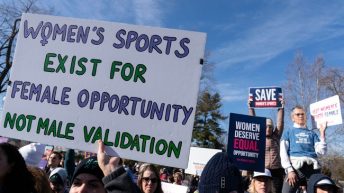


Ruark Hotopp is a Leftist Lunatic Criminal that is obviously on the side of Communism and Gestapos!
The full brunt of the Constitutional Law should apply here and this transgressor should be fully prosecuted and incarcerated!
Specific Protections: Under federal law (18 U.S.C. § 119), it is illegal to publish restricted personal information regarding federal officials, law enforcement, jurors, or witnesses with the intent to threaten or intimidate them.
There it is and in days when true Patriotism was first and foremost in America he would have been hung for Sedition and Treason! Corruption throughout the American System runs too deep now to see that happen! The ACLU, Southern Poverty Law Center and other such Leftist/Communist organizations have been getting to muck up the works for several decades when in fact that should have all been rounded up and executed! But Justice wasn’t done and thereby America has weakened so severely because of this lapse; and we see the results of it all around us now!