
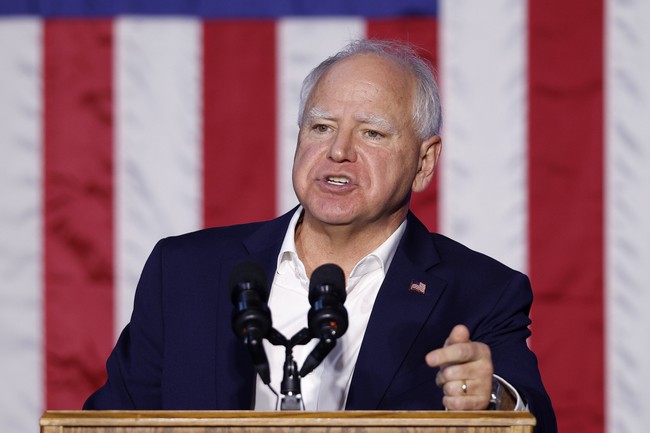
This article examines reactions to Minnesota Governor Tim Walz’s pardon of a convicted child sex offender, the Star Tribune’s defense of that pardon, and the sharp backlash from conservatives who view the decision and the paper’s coverage as morally and politically unacceptable.
The pardon in question involved a man convicted of repeatedly sexually assaulting a 10-year-old girl, and it immediately ignited outrage across the state and the nation. Governor Tim Walz defended the move by citing rehabilitation, the victim’s support, and the idea that “the man should not be judged forever by his worst act.” That rationale collided with deep public revulsion and a sense that protecting children should be beyond partisan debate.
Critics noted the timing and practical effect of the pardon since the man was scheduled for deportation, which many saw as a straightforward way to remove a dangerous offender from the community. Republicans and many independents viewed the decision as tone-deaf at best and morally indefensible at worst. The debate turned into a wider argument over executive clemency, immigration enforcement, and whether rehabilitation can or should outweigh public safety concerns in cases of heinous crimes.
The Minneapolis paper’s column defending Walz drew intense criticism for how it framed the pardon and for comparing the case to other controversial acts. Conservatives argued that equating sexual violence against a child with political protests trivializes the harm done and signals a dangerous moral indifference. That comparison widened the gulf between the paper’s editorial stance and the views of many readers who expect basic decency and protection for vulnerable people to come first.
Minnesota Republican House Majority Whip Tom Emmer captured the anger in blunt terms when he wrote: “The Minnesota Star Tribune is cheering on Tim Walz protecting an illegal alien monster who raped a 10 year old girl. No one should read this depraved rag. They are sick.” Those words reflect a broader feeling among many conservatives that the paper’s tone crossed a line from opinion into moral endorsement of a deeply troubling outcome.
The Star Tribune columnist pointed to unanimous support from the state Board of Pardons and emphasized that the assault survivor had submitted a letter of support, and that the man had not committed additional crimes in two decades. The column also included this passage: “Vang’s actions 20 years ago were awful, but so were the violent protests at the U.S. Capitol on Jan. 6, 2021, and those folks received presidential pardons.” Including that comparison in a piece about a child sexual assault case amplified the outrage and made reconciliation between the paper and its critics unlikely.
For many conservatives, the argument that due process concerns justify keeping a convicted child rapist in the country rings hollow when deportation was an available and common-sense option. The sense of betrayal runs deeper because it feels like institutions are prioritizing narratives about systemic fairness over the immediate safety and dignity of victims. That perceived inversion of priorities fuels distrust of both political leaders and media institutions that seem to defend such choices.
The episode also reopened questions about the scope and limits of executive clemency. Clemency has a legitimate place in the justice system for correcting clear miscarriages or acknowledging genuine rehabilitation, but public sentiment tilts strongly against clemency in cases involving the sexual exploitation of children. Many conservatives contend that some crimes are so grievous they should be exempt from the typical arguments for mercy, especially when the offender is not a citizen and deportation was on the table.
Another dimension of the reaction was political: critics accused the paper of engaging in partisan spin to protect a Democrat governor while diminishing the gravity of the underlying crime. That perception deepened existing skepticism about media bias and prompted calls from conservative voices to hold both elected officials and editorial boards accountable. The debate is now part of a larger cultural fight over whether media outlets can be trusted to reflect community norms rather than amplify partisan defenses.
Beyond politics, the visceral response underlines a broader cultural question about moral boundaries and empathy for victims. Many readers demanded that respect for survivors of sexual violence be the starting point for any policy discussion, not a footnote in an argument about clemency or immigration. That expectation, widely held across the political spectrum, helps explain why this case provoked such fierce and sustained condemnation.
The fallout shows how a single pardon can spark nationwide debate when it touches on crime, immigration, media credibility, and the limits of mercy. Whether lawmakers, the governor, or editorial boards will recalibrate their approach in response remains to be seen, but the intensity of the backlash makes it clear that many voters view this as a test of basic principles and political judgment.



Add comment